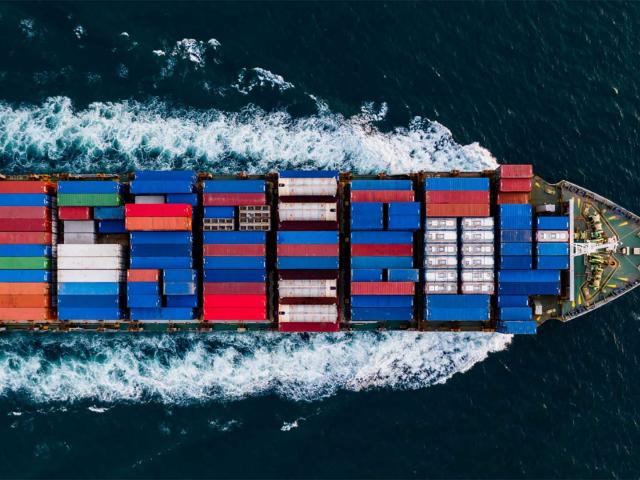
International maritime freight involves a wide range of cargo types and complex transportation processes. Proper classification of goods is crucial to ensure their safe and efficient arrival at the destination. The following is a detailed introduction to international maritime freight classification:
1. Classification by Cargo Nature & Packaging Method
General Cargo
This type of cargo typically refers to goods with no special requirements that can be handled using general loading/unloading and stacking methods, such as machinery, furniture, and textiles.
Containerized Cargo
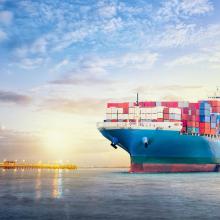
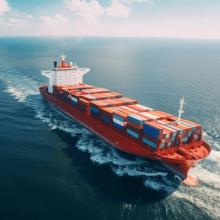
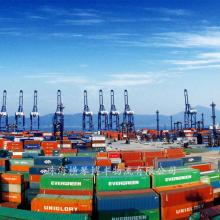
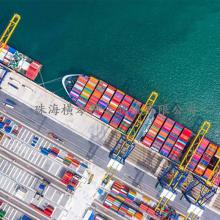
Cargo loaded in standard-sized containers is one of the most common shipping methods. It not only protects goods from adverse weather conditions but also facilitates loading/unloading and multimodal transport.
Bulk Cargo
Bulk cargo is divided into dry bulk and liquid bulk. Dry bulk, such as coal, iron ore, and grain, is typically loaded directly into the ship's holds. Liquid bulk, such as oil and liquefied natural gas, requires specialized tankers or LNG carriers.
Breakbulk Cargo
Refers to large items unsuitable or unnecessary for container loading, such as steel and heavy machinery components, which require individual handling and stowage.
Roll-on/Roll-off (Ro-Ro) Cargo
Applicable to vehicles (including cars and trucks) and other self-propelled cargo that can drive on and off the vessel via the ship's ramps.
2. Classification by Cargo Hazard Level
Dangerous Goods
According to the International Maritime Organization (IMO) International Maritime Dangerous Goods (IMDG) Code, dangerous goods are divided into nine classes, including explosives, flammable gases, flammable liquids, oxidizers, and toxic substances. Their transport requires strict compliance with safety regulations and declaration procedures.
3. Classification by Cargo Value & Demand
High Value Cargo
Such as artwork, jewelry, and precision electronic equipment. This type of cargo often requires special insurance arrangements and security measures.
Refrigerated Cargo
Such as fresh food, pharmaceuticals, and precision instruments that need to be transported at specific temperatures, using reefer containers to maintain freshness.
4. Special Cargo
Oversized and Overweight Cargo
Cargo exceeding conventional size and weight limits, such as large machinery and wind turbine blades, requiring specialized transport solutions and equipment.
Live Animals
Includes livestock, pets, etc. Transport must comply with strict animal welfare and health standards.
The classification of international maritime freight is complex and diverse. Correct classification is not only related to the safe transport of goods but also affects transportation costs, efficiency, and compliance.
Bofeng Logistics specializes in providing one-stop logistics services including domestic container shipping, international shipping (FCL/LCL), Hong Kong & Macau logistics routes, as well as trucking, customs clearance, and warehousing. Contact: 130-7567-8958 (Manager Huang), call now for an exclusive quote!
Related Logistics Services
Bofeng Logistics offers the following related services, feel free to inquire: