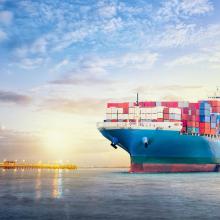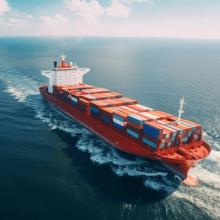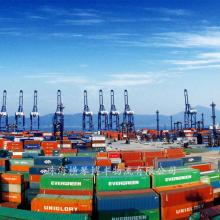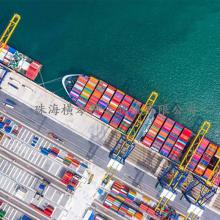
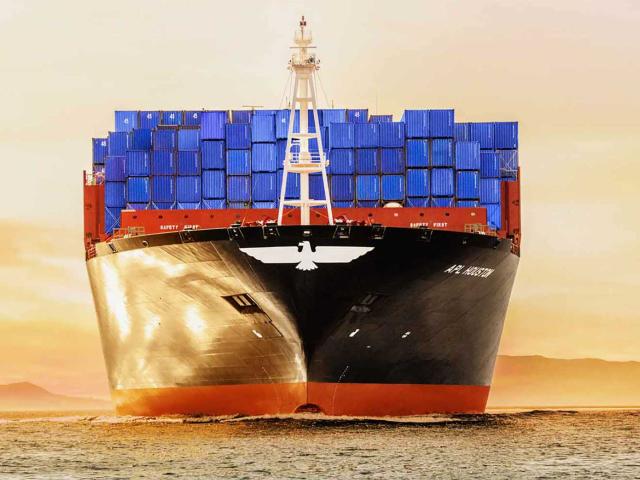
International maritime transshipment, as a key component of international shipping, refers to the logistics activity where goods are transferred or reloaded at a third-port during their journey from origin to final destination. This process may involve the transfer of cargo from one vessel to another, or a switch from maritime to other modes of transport (such as rail or road). International transshipment not only connects different shipping routes and expands trade reach, but also effectively reduces costs and enhances transport flexibility. The following is a detailed analysis of international maritime transshipment.
1. Importance of International Maritime Transshipment
- Expanding Trade Network Coverage: For areas not directly served by direct routes or where direct routes are too costly, goods can be delivered to more non-direct ports through transshipment hubs, thereby expanding the scope of international trade.
- Cost Effectiveness: Compared to direct shipping, using transshipment hubs allows for cargo consolidation, achieving economies of scale and reducing unit transport costs, especially suitable for small shipment volumes or long-distance transportation.
- Flexibility: Transshipment services provide more route options and greater scheduling flexibility.
2. Operational Process of International Maritime Transshipment
1. Processing at the Port of Origin
- Cargo Consolidation at Port: Goods are loaded into containers at the shipper's premises and then transported to the port of origin.
- Export Customs Declaration: Complete customs declaration and inspection/quarantine procedures in the exporting country.
2. Sea Transport
- First Leg Transport: Cargo departs from the port of origin heading to the transshipment hub.
3. Transshipment Port Operations
- Discharge and Inspection: Upon arrival at the transshipment port, cargo is unloaded and may undergo inspection.
4. Onward Transport
- Loading and Departure: After all transshipment procedures are completed, the cargo is re-loaded onto another vessel to continue its journey to the final destination.
5. Delivery at Destination Port
- Import Clearance: Upon arrival at the destination port, import customs clearance procedures are carried out.
- Cargo Delivery: After customs clearance, the goods are delivered to the consignee's designated location.
3. Considerations
- Transshipment Time: The transshipment process increases transport time and requires proper planning to avoid affecting delivery schedules.
- Cost Considerations: Although transshipment may reduce costs, transshipment fees, storage charges, and additional logistics costs must be comprehensively evaluated.
- Risk Management: Transshipment increases the risk of cargo damage or loss; choosing reputable carriers and insurance companies is crucial.
- Regulatory Compliance: Different countries and regions have varying regulations for transshipment cargo; ensuring compliance with relevant laws and regulations is essential.
Bo Feng Logistics specializes in providing one-stop logistics services including domestic container shipping, international shipping (FCL/LCL), Hong Kong/Macao dedicated logistics lines, as well as trucking, customs brokerage, and warehousing. Contact: 130-7567-8958 (Manager Huang). Call now for a customized quote!
Related Logistics Services
Bofeng Logistics offers the following related services, feel free to inquire: