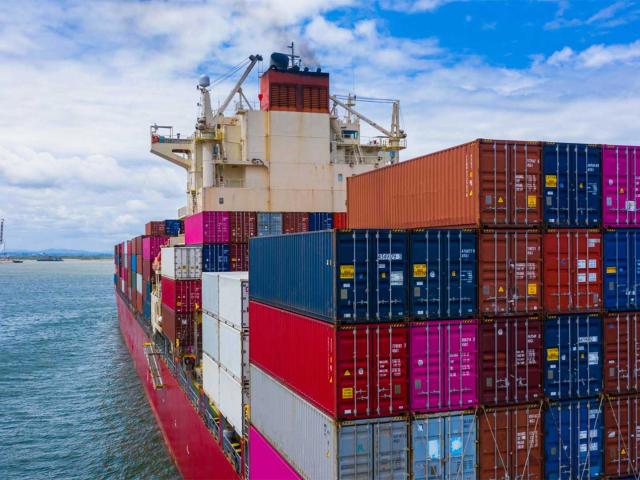
International shipping, as the lifeblood of global trade, connects every corner of the world and facilitates the circulation of goods, raw materials, and finished products between countries. This document aims to outline the basic concepts of international shipping, major routes, important ports, and factors influencing shipping routes, serving as a reference for professionals in international trade, logistics management, and related fields.
International shipping refers to the transportation of goods across national borders, primarily via sea, air, rail, and road. Among these, maritime shipping is the most dominant mode in international trade due to its cost-effectiveness and large cargo capacity. The following provides an overview of vessel types, major routes, key ports, and factors affecting shipping routes.
Vessel Types
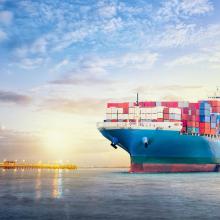
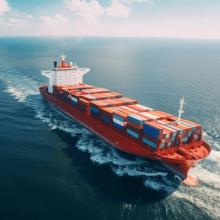
- Container ships: Specially designed to transport standard-sized freight containers, these are the most common means of transport in international trade.
- Bulk carriers: Used for shipping unpackaged bulk commodities such as coal, iron ore, and grain.
- Tankers: Dedicated to transporting crude oil and refined petroleum products.
- Ro-ro ships: Suitable for transporting vehicles and other wheeled cargo.
Major International Maritime Shipping Routes
- Far East - North America Route
As one of the world’s busiest routes, this link connects Asian countries like China, South Korea, and Japan with major ports on the US West and East Coasts, such as from Shanghai and Shenzhen to Los Angeles and New York.
- Far East - Europe Route
This route connects the Far East region of Asia with major European ports—for example, from Shanghai and Singapore to Rotterdam and Hamburg—forming another vital artery of international trade.
- Middle East - Asia/Europe Route
Primarily involved in oil transportation, this route moves petroleum from oil-producing Middle Eastern countries (such as Saudi Arabia and Iran) to Asia (e.g., China and Japan) and Europe (along the Mediterranean coast).
- Americas - Europe Route
This route covers trade between the US East Coast and the Gulf of Mexico and European countries such as the UK and the Netherlands.
Important International Ports
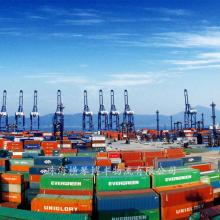
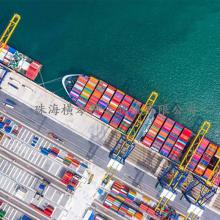
- Port of Shanghai (China): One of the world’s largest container ports, handling a massive volume of cargo to and from China.
- Port of Singapore: A key transshipment hub in Asia, connecting trade between East and West.
- Port of Rotterdam (Netherlands): One of Europe’s largest seaports, serving as the gateway to the European market.
- Port of Los Angeles (USA): One of North America’s busiest ports, handling a substantial volume of cargo from Asia.
- Jebel Ali Port, Dubai (UAE): A major hub in the Middle East, serving both oil and general cargo transportation.
Factors Influencing International Shipping Routes
- Geopolitics
International relations, trade policies, wars, or conflicts can affect route selection and operational safety.
- Weather and Ocean Conditions
Extreme weather events such as typhoons and hurricanes, as well as areas of piracy, can impact navigational safety and efficiency.
- Fuel Prices
Fuel cost is one of the major expenditures in the shipping industry; its price fluctuations directly influence route planning and operational expenses.
- Infrastructure and Technology
Port capacity, efficiency, and the level of waterway modernization are also key factors in determining route selection.
Bofeng Logistics specializes in providing one-stop logistics services including domestic container shipping, international shipping (FCL/LCL), Hong Kong and Macao logistics routes, and trailer, customs clearance, and warehousing services. Contact: 130-7567-8958 (Manager Huang) — Call now for a customized quote!
Related Logistics Services
Bofeng Logistics offers the following related services, feel free to inquire: