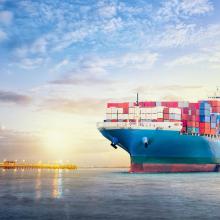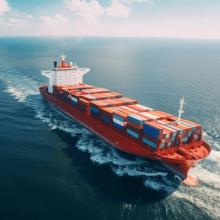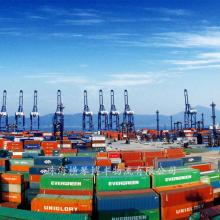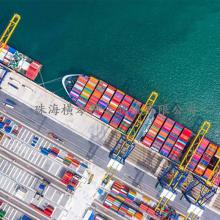
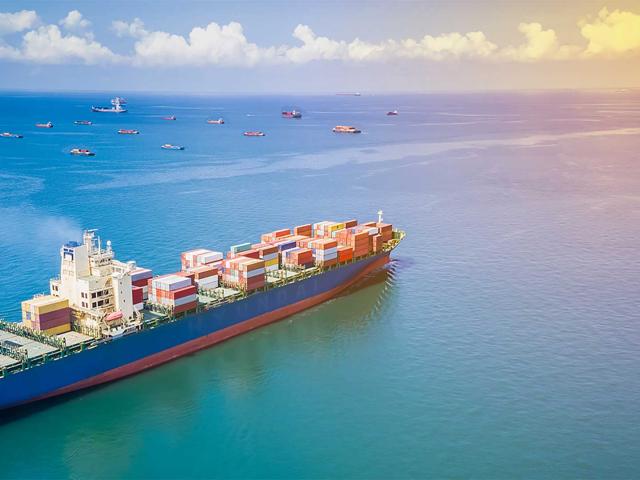
In international trade, over 80% of goods are transported by sea. International logistics shipping, especially ocean freight, is the artery of the global economy. But for newcomers, it can seem complex and mysterious. Don't worry; this guide will use plain language to quickly familiarize you with all aspects of shipping, taking you from a "newbie" to an "expert".
1. The Four Core Steps of International Ocean Freight
Shipping goods from China to the US, Europe, or other countries is like an international courier, except this "courier" is enormous. The entire process mainly consists of four key steps:
- Booking and Pickup: First, you need to find an international freight forwarder (简称"货代") or contact a shipping line directly. They will help you reserve a "space" (i.e., container slot) on a vessel based on your needs. After booking, they arrange for a truck driver to pick up the goods from your factory or warehouse; this step is called "container pickup" or "vanning".
- Customs Clearance and Loading Port: Before the goods leave China, they must be declared to customs; this process is called "export customs clearance". A professional customs broker prepares the documents to ensure the goods legally exit the country. Afterward, the goods are transported to the dock, awaiting loading onto the vessel.
- Ocean Transportation: This is the core step. Your goods are securely packed into a container and lifted onto a massive ocean-going vessel. The shipping line handles the safety of the entire voyage, and you can track the vessel's position in real-time using the Bill of Lading number they provide, just like tracking a package.
- Customs Clearance and Delivery: When the goods arrive at the destination port, they need to undergo "import customs clearance". After paying all fees (such as duties, port charges, etc.), you can arrange a local trucking company to pick up the cargo from the terminal and deliver it to the consignee's specified address.
2. Understand Key Players and Costs to Avoid Pitfalls
Ocean freight isn't done by one person; it requires a team of experts along the supply chain. Knowing who they are helps you solve problems better.
- Key Players:
- Freight Forwarder: Your main advisor and coordinator. They don't own ships but are experts in the entire process. They provide optimal routes, arrange bookings, customs clearance, documentation, and handle all matters, saving you costs and effort.
- Shipping Line: The actual vessel operators, such as Maersk, COSCO Shipping, MSC, etc. They are responsible for the sea leg of transport.
- Customs Broker: A professional agency handling import and export customs formalities to ensure compliance.
- Common Costs: The ocean freight charge covers much more than just the "sea segment". It typically consists of two parts:
- Local Charges at the Port of Loading: Such as pickup fees, customs clearance fees, documentation fees, THC (Terminal Handling Charges), etc.
- Destination Charges: Such as customs clearance fees, delivery fees, terminal charges, etc. What you need to watch out for most are high destination charges. Some quotes may have low origin fees but impose unexpectedly high fees at the destination. Therefore, always confirm with the freight forwarder if it's an **"ALL-IN price" (all-inclusive) or "DDU/DDP"** (Delivered Duty Unpaid/Paid), and request a detailed breakdown of all charges.
3. Practical Tips: How to Ensure Cargo Safety?
Beyond understanding the process, learning to avoid risks is crucial. Follow these points to make your first shipping experience smoother:
- Purchase Cargo Insurance: Although shipping is safe, risks like natural disasters and accidents exist. Comprehensive cargo insurance is your last line of defense for your shipment's value. Never risk big losses to save small costs.
- Confirm Trade Terms: Before signing a contract with an overseas client, clarify whether the terms are FOB (you pay origin costs) or CIF (you pay the full ocean freight and insurance), etc. This directly determines who selects the freight forwarder and pays which costs, preventing disputes later on.
- Ensure Packaging Is Sturdy: Sea transportation takes a long time, and cargo undergoes multiple handling and jostling. Use foam, cardboard, and other fillers inside the packaging to secure the goods, ensure the outer wooden crate is strong, and affix clear shipping marks (labels) to prevent damage or loss.
- Choose a Reliable Partner: An experienced and responsible shipping freight forwarder is essential. They can provide professional advice, handle emergencies promptly, and ensure your cargo arrives safely and on time.
In short, international ocean freight is a systematic and professional process. While it may seem complex, each step can be tackled by following the rules. We hope this guide provides a solid foundation, helping you set sail smoothly in the vast world of global trade!
Bofeng Logistics specializes in providing domestic container shipping, international ocean freight (FCL/LCL), Hong Kong & Macau logistics express lines, as well as comprehensive services including trucking, customs clearance, and warehousing. Contact number: 130-7567-8958 (Manager Huang). Call now for a customized quote!
Related Logistics Services
Bofeng Logistics offers the following related services, feel free to inquire: