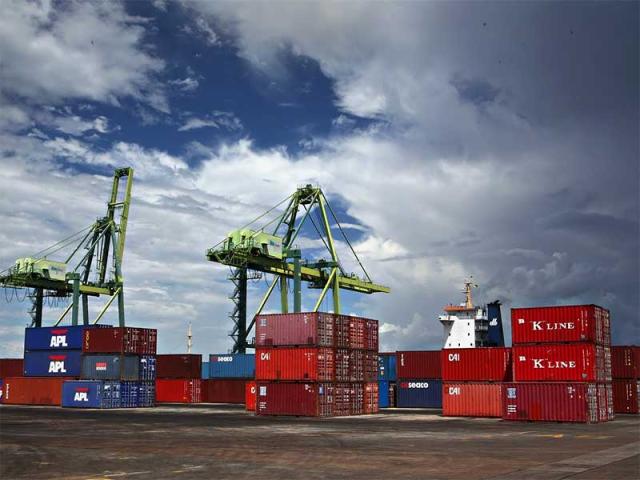
What is a Full Container (Loaded Container)?
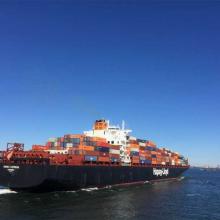
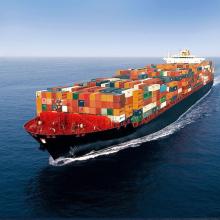
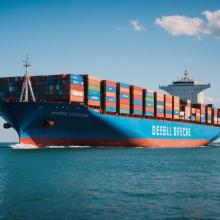
In the logistics and shipping industry, especially in global cargo transportation, "full container" (or "loaded container") is a key term, specifically referring to a container that has been loaded with cargo. Its opposite is an "empty container," sometimes colloquially called a "lucky container" in regions like Southern China. Full containers play a vital role in international trade and cargo transport, and their circulation efficiency directly impacts logistics costs and the smooth operation of the supply chain.
Definition of a Full Container
As the name suggests, a full container refers to a container loaded with goods. These goods can be a wide variety of commodities, including but not limited to electronic products, machinery and equipment, textiles, food, furniture, and more. Once a container has undergone the loading process and been sealed (usually with a security seal to ensure cargo safety), it becomes a full container, ready for the next stage of transportation.
Transportation Process of a Full Container
- Delivering the Fully Loaded Container: This step occurs after the cargo is loaded, typically at the exporter's warehouse, logistics distribution center, or the customer's premises. The full container is then transported to the port yard or directly to the wharf for loading onto a vessel for sea freight.
- Pick Up Empty, Return Full: In logistics operations, picking up an empty container from the yard, loading it to become a full container, and then returning the full container to the terminal is called "pick up empty, return full." This is the basic mode of container circulation, ensuring effective allocation of logistics resources.
- Export Procedures: When the shipper or container freight station moves the full container to the port yard, a series of administrative procedures is required, such as verifying the booking confirmation, dock receipt, packing list, export license, etc., to ensure all documents are complete and accurate.
- Loading and Transportation: Using gantry cranes or other cargo handling equipment, the full container is loaded onto the vessel to begin sea transit. Upon arrival at the destination port, the full container is unloaded and goes through customs inspection, unpacking, and other procedures, ultimately delivering the cargo to the consignee.
Importance of a Full Container
- Efficiency Improvement: Standardized full containers enable quick loading, unloading, and stacking, greatly enhancing cargo handling speed and reducing logistics costs.
- Safety Assurance: The robust structure and airtightness ensure cargo safety during long-distance transport, reducing the risk of damage and theft.
- Facilitation of International Trade: As a key carrier in global trade, full containers support large-scale goods exchange and promote world economic integration.
Points to Note
- Weight Limits: The total weight of a full container must comply with international and local transport regulations. Overloading may lead to safety hazards or fines.
- Advance Planning: Since full container transportation involves multiple stages, shippers must arrange in advance, including booking space and understanding import regulations at the destination, to ensure smooth transit.
Specializing in domestic container shipping, international shipping (FCL/LCL), Hong Kong and Macau logistics routes, and one-stop logistics services including trucking, customs clearance, and warehousing, Bofeng Logistics is your trusted partner.
Contact Manager Huang at 130-7567-8958 for personalized quotes!
Related Logistics Services
Bofeng Logistics offers the following related services, feel free to inquire: