What is Container Swapping?
In domestic sea freight, container swapping is similar to the term "backhaul" in road transport. It means that near the unloading location, the shipper刚好 needs to load cargo, or the loading location刚好 has a shipper needing to unload. This way, the container does not need to return empty to the terminal, reducing loading or unloading costs and lowering ocean freight expenses.
Therefore, the characteristics of container swapping can be summarized in the following three points:
1. The distance between the loading and unloading points is short, reducing empty travel costs.
2. The shippers involved in loading and unloading book their space with the same domestic shipping company; the shipping routes can be different, but the container ownership must be with the same company.
3. The loading and unloading times need to be on the same day. Generally, for container swapping, unloading is done in the morning and loading in the afternoon. Therefore, customers using this service usually load in the afternoon. If the unloading shipper finishes unloading early and quickly, loading can be done in the morning. This depends on the actual situation.
National Sea Freight Container Door-to-Door Booking Hotline: 13075678958 Manager Huang
Container Swapping Operation Scenarios
Main scenarios for container swapping include: size adjustment, route changes, and customer requirements. The operation takes place at transshipment points or docks and may incur additional costs. It is recommended to confirm the final container type during booking.
Bofeng Logistics specializes in providing one-stop logistics services including domestic container shipping, international shipping (FCL/LCL), Hong Kong and Macao logistics routes, as well as trailer, customs declaration, and warehousing services. Contact number: 130-7567-8958 (Manager Huang). Call now for a customized quote!
Difference Between Container Swapping and Container Exchange
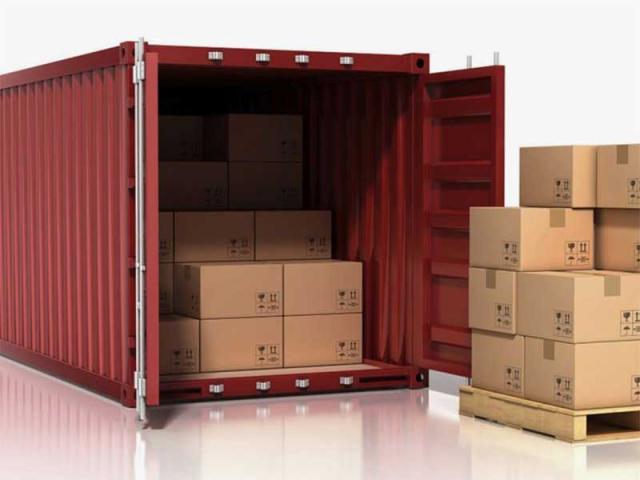
Although both container swapping and container exchange involve changing the container type, their concepts differ: container swapping involves transferring goods from the original container to a new one, with the type and size often being different. Container exchange is a broader term that includes cases such as replacing damaged containers or adjusting container types. In practical business, it is recommended to confirm the container type during the booking stage to minimize the need for container swapping.
Points to Note for Container Swapping Operations
Ensure the new container is suitable for the type of goods, check the quantity of goods during the operation, and re-secure the cargo. It is recommended to determine the container type during the booking stage.
Although container swapping is convenient, it increases costs and time. It is recommended to fully confirm transportation needs before booking to select the most suitable container type.
Charges for Container Swapping Operations
Charges for container swapping include handling fees, fees for using the new container, and possible storage charges. It is recommended to confirm the container type at the time of booking to save unnecessary swapping costs.
Related Logistics Services
Bofeng Logistics offers the following related services, feel free to inquire: