Temperature Changes in Shipping Containers
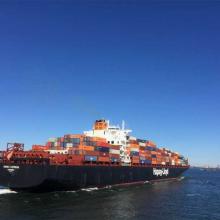
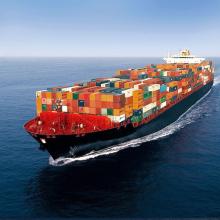
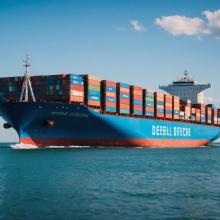
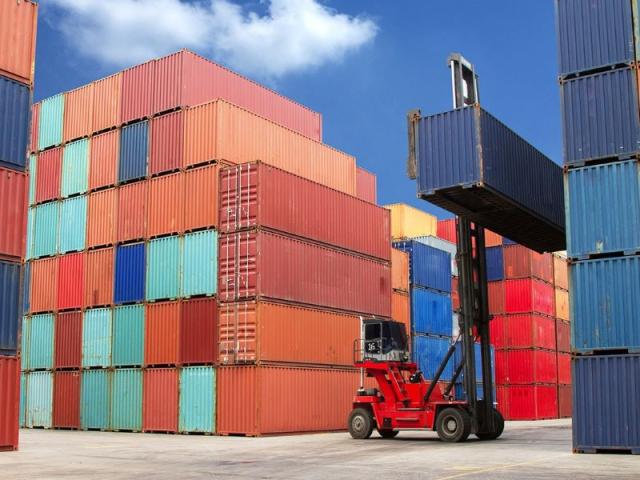
The temperature inside a shipping container varies depending on where it is stowed on the vessel. On a container ship, stowage positions can generally be divided into the following three types:
- The container is stowed in the hold;
- The container is stowed on the top tier on deck;
- The container is stowed under other containers on deck.
First type: The temperature inside the container is affected by temperature changes in the hold. Because containers are also stowed on the hatch covers and on deck, the temperature in the hold is mainly influenced by air temperature and seawater temperature. Since daily temperature changes in seawater are very small, temperature variations in the hold and inside the container are relatively stable.
Second and third types: As the temperature inside the container is directly or indirectly affected by direct solar radiation heat, the temperature change inside the container is more significant than that of the atmospheric temperature. Generally speaking, the temperature change inside containers stowed on deck is roughly similar to that during land transportation or when stored in a container yard.
Domestic shipping inquiry and booking hotline: 13075678958 Manager Huang (same number on WeChat)
Shipping Temperature Control Suggestions
Route factor: On routes crossing the equator, the internal container temperature can reach over 50°C.
Seasonal factor: Transport temperatures are higher in summer than in winter, with a difference of 20-30°C.
Cargo protection: Use refrigerated containers for temperature-sensitive goods, and use insulated packaging for general cargo.
Bo Feng Logistics specializes in providing one-stop logistics services including domestic container shipping, international shipping (FCL/LCL), Hong Kong and Macau logistics dedicated lines, as well as trucking, customs clearance, and warehousing. Contact number: 130-7567-8958 (Manager Huang). Call now for your exclusive quote!
Summary of Shipping Temperature Management
Container temperature at sea is affected by various factors. Understanding temperature change patterns helps in devising suitable cargo protection plans. Bo Feng Logistics offers professional temperature-controlled transport services.
Temperature Characteristics of Different Shipping Zones
Tropical zone: On routes crossing the equator, the internal container temperature is highest, reaching over 50°C. When exposed to direct sunlight, the roof temperature can reach 60-70°C. Temperature-sensitive goods should be placed away from the roof and walls of the container.
Temperate zone: Temperatures are relatively moderate, but temperature differences are large in spring and autumn. Cargo packaging still needs good moisture-proof treatment.
Cold zone: Temperatures are low on high-latitude routes. Freeze-sensitive goods require insulated packaging. Pay attention to properly closing container ventilation openings.
Related Logistics Services
Bofeng Logistics offers the following related services, feel free to inquire: