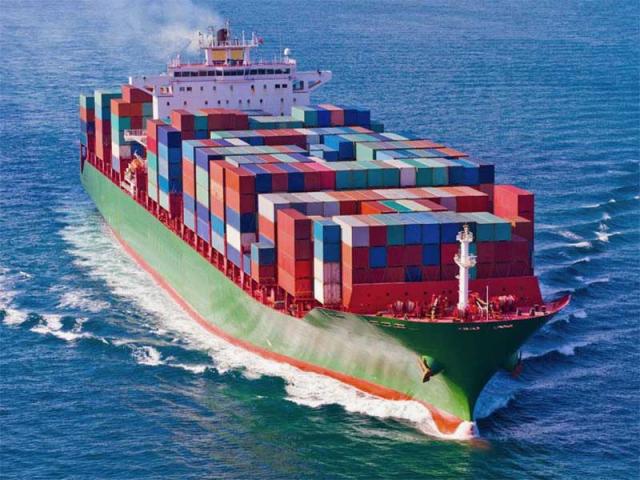
International container shipping is primarily accomplished through ocean liner services. In the 21st century, its development trends and operational characteristics mainly include the following aspects.
1. Larger Vessels
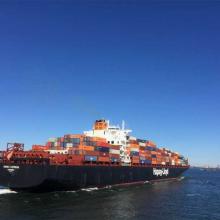
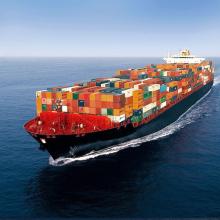
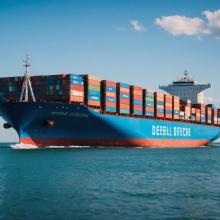
With sufficient cargo supply guarantees, increasing vessel size can reduce unit transport costs and achieve economies of scale in shipping production. Therefore, container ships are becoming increasingly larger. In recent years, overcapacity has emerged on several major container shipping routes, such as the transpacific route. To gain a competitive edge in the fierce market, shipping companies operating on these routes have ordered ultra-large container ships in an attempt to further reduce unit transport costs. This situation has accelerated the trend toward larger vessels.
2. Modernized Ports and Terminals
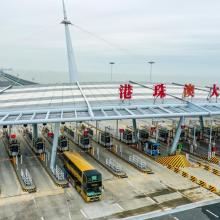
The trend towards larger vessels and the widespread adoption of container shipping require modern container ports (terminals) to support them. To further lower container transport costs, the larger the container ship, the shorter the time allowed for docking at port. Therefore, a modern container terminal must meet at least three conditions: ① Sufficient water depth at the berth to accommodate large and ultra-large container ships; ② Advanced loading and unloading machinery and equipment for fast handling; ③ A modernized and scientific terminal management system to enable high-speed and efficient work for terminal operations staff. As general cargo becomes increasingly containerized, the proportion of container throughput in total port handling volume is growing. Consequently, modern container terminals have often become the primary hallmark of an international hub port and a key indicator of an international shipping center.
3. Higher Ship Speeds
An important trade-off exists between ship speed and fleet size. Higher speeds require fewer vessels on a given liner route, while lower speeds necessitate more vessels. During the growth phase of container transport, due to substantial investment costs, many shipping companies adopted a strategy of high-speed operations to reduce the number of vessels deployed and lower operational costs.
4. Fewer Ports of Call
Container ships generally call at fewer ports compared to conventional liners, typically only 2-3 ports at each end of the route. The reason for reducing the number of calls is the immense investment in container ships, where fixed costs account for a very high proportion of total operating costs. Minimizing port time and accelerating vessel turnaround is crucial to improving transport economic efficiency. Reducing the number of ports of call is significant for enhancing the economic benefits of container transport.
5. High Sailing Frequencies
Traditional liners usually sailed monthly, bi-weekly, or every ten days. Since container transport took over, sailing frequencies have increased dramatically. Currently, on most global routes, major companies generally offer weekly services. Some large operators, such as Sea-Land (historically), even achieved sailings every 2-3 days. Two main reasons drive higher sailing frequencies: Firstly, increasing service frequency improves the utilization of containers, chassis, and container terminals, as investment in container transport extends beyond ships to these facilities and equipment. Secondly, to enhance their market position, where service quality partially exceeds the importance of freight rates, especially for high-value goods. On the world's primary routes, some companies adopt a "high service, high freight rate" strategy to attract more high-value cargo. Among the services offered to clients, sailing and arrival schedules are crucial, so increasing frequency is also a competitive consideration.
6. Severe Overcapacity
The trend toward larger, faster container ships and port mechanization has greatly improved transport efficiency. For instance, a ship with a capacity of 5000 TEU and a speed of 13.38 m/s (26 knots) has an annual cargo volume equivalent to 5-6 conventional general cargo ships of similar tonnage. Therefore, container ships should typically replace conventional ones at a ratio slightly exceeding 1:6. However, in practice, due to shippers' demand for frequent services (short intervals between sailings) and shipping companies' pursuit of economies of scale leading to the deployment of numerous vessels, the replacement ratio has reached 1:3. Consequently, container shipping capacity has grown rapidly, exceeding actual cargo demand, resulting in severe overcapacity.
7. Intense Competition
Due to vessel overcapacity, operators' reluctance to forego achieved economies of scale, and the high specialization of container ships precluding alternative cargoes, competition in container shipping operations is intense. Compared to conventional liners, once capacity glut occurs on container routes, it tends to persist longer, and competition is even fiercer. The prolonged overcapacity is due to large total investment, high proportions of capital and fixed costs, and low supply elasticity to market demand. Facing depressed markets, shipping companies find it difficult to adjust quickly. With low supply elasticity, even if ship utilization rates are poor due to insufficient cargo, companies must maintain operations without reducing capacity. In such circumstances, most companies engage in fierce competition to survive, through marketing activities, operational changes, and service improvements, leading to brutal rate wars and cargo battles. The competitive situation seen on the transpacific route in recent years is a perfect example of this phenomenon.
Bofeng Logistics professionally provides domestic container shipping, international shipping (FCL/LCL), Hong Kong/Macau logistics routes, as well as integrated services including trucking, customs brokerage, and warehousing. Contact phone: 130-7567-8958 (Manager Huang). Call now to get an exclusive quote!
Related Logistics Services
Bofeng Logistics offers the following related services, feel free to inquire: