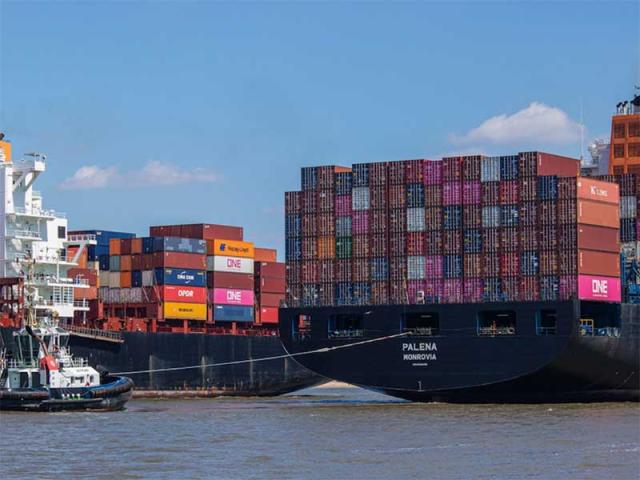
Loading of Dangerous Goods in Container Shipping by Sea
The term "dangerous goods" refers to a general category of transported objects that are flammable, explosive, or have toxic, corrosive, or oxidizing properties, and may cause harm to human health and property.
(1) Understand the loading regulations for dangerous goods in container shipping by sea. When loading dangerous goods for export in sea containers, the relevant regulations of the destination port country should be understood and followed in advance, such as the U.S. Federal Regulations, the British Blue Book, and the International Maritime Organization (IMO) rules of the United Nations. When receiving dangerous goods, first investigate the nature of the dangerous goods, their hazard class, marks, loading method, packaging containers, and emergency measures to be taken in case of an accident. Additionally, the dangerous goods regulations of the loading and unloading ports should be verified.
(2) Loading method. Before loading dangerous goods, carefully inspect whether the strength and structure of the container are suitable for loading dangerous goods, and thoroughly clean the sea container. During loading, ensure that the dangerous goods do not pose risks of movement, tipping, impact, friction, crushing, or leakage. Materials used for securing cargo should have a greater safety factor and strength. No part of the dangerous goods should protrude outside the container. When handling dangerous goods, throwing, dropping, falling, or rolling is strictly prohibited, and collisions or friction between goods should be avoided.
(3) Segregation restrictions. Different types of dangerous goods must not be stowed together in the same container; therefore, only dangerous goods of the same hazard class should be loaded in one container. However, even for the same hazard class, only the same type of dangerous goods should be allowed. This is because, although they are of the same hazard class, interactions between them may still cause danger. Additionally, if an interaction between dangerous goods and non-dangerous goods could pose a risk, they must not be loaded in the same container. When dangerous goods are mixed with general cargo, the dangerous goods should be placed near the container door for easy handling in case of an accident.
(4) Marks. When loading dangerous goods into a container, the classification name and marks of the dangerous goods should be displayed in a prominent position on the outer surface of the container, with clear patterns and shapes. The prescribed dangerous goods marks should be used.
(5) Container dangerous goods manifest. When loading dangerous goods into a container, the packer must prepare a "Container Dangerous Goods Manifest" per container, and attach notes regarding the container, packaging, marks, loading methods, and other relevant regulatory requirements for the dangerous goods, confirming they are suitable for transport, to be submitted to the carrier. The recorded items include:
1) Container number.
2) Shipper's name and address. 3) Consignee's name and address.
4) Classification, item, type, cargo name, and name of container and packaging of the dangerous goods.
5) Number of pieces and weight or volume of the dangerous goods.
6) Loading inspection.
(6) Loading inspection According to the "Regulations of the People's Republic of China Quality Supervision Bureau on Declaration of Ships Carrying Foreign Trade Dangerous Goods", when a ship carries the following dangerous goods into port or transit, the ship or its agent must provide information on the characteristics of the goods, safety precautions for operations, personnel protection, and other relevant data when declaring. These goods include:
1) Radioactive materials;
2) Infectious substances;
3) New organic peroxides;
4) Items "Not Otherwise Specified" in the "International Maritime Dangerous Goods Code";
5) Bulk liquid chemicals.
Additionally, when using containers to ship dangerous goods, a "Container Packing Certificate" verified and signed on-site by a packing inspector approved by the port supervision authority must be submitted. This certificate should be filled in by the on-site packing inspector in duplicate. The original must be submitted to the port supervision authority three days before the container is loaded on the ship, and the copy should be handed over to the carrier when the container is transferred.
Domestic Container Shipping by Sea Door-to-Door Inquiry and Booking Hotline: 13075678958 Manager Huang
Bofeng Logistics specializes in providing one-stop logistics services including domestic container shipping, international shipping (FCL/LCL), Hong Kong and Macau logistics dedicated lines, and trucking, customs declaration, and warehousing. Contact number: 130-7567-8958 (Manager Huang), call now for a personalized quote!
Related Logistics Services
Bofeng Logistics offers the following related services, feel free to inquire: