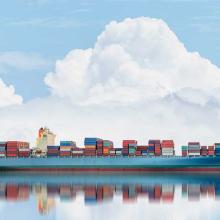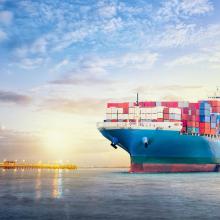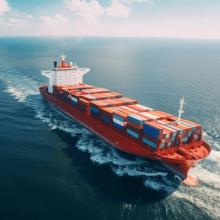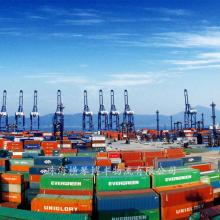
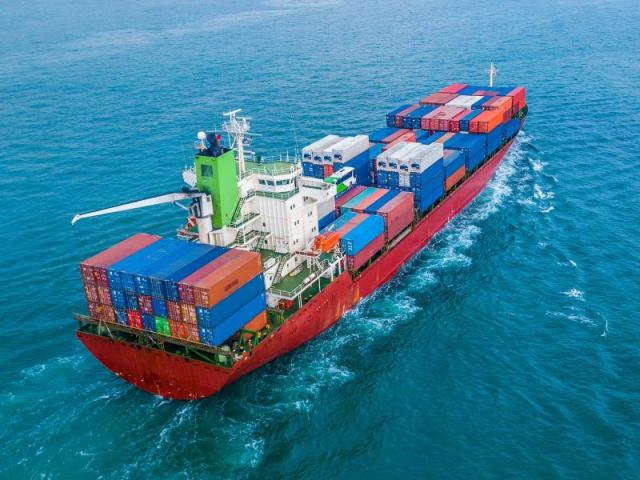
Domestic sea freight, also referred to as domestic shipping or inland shipping, is the transportation of goods by sea within China.
As a vital link connecting economic activities along China's coast and rivers, domestic sea freight offers several significant advantages compared to other inland transport modes.
The following is a detailed analysis of the advantages of domestic sea freight:
- High Cost Efficiency
- Large-Scale Transport Capacity: The load capacity of ships far exceeds that of rail and road transport, making it suitable for large-volume cargo transportation with relatively lower unit transport costs.
- Fuel Efficiency: Water transport is one of the most energy-efficient modes of transportation, with much lower fuel consumption per unit of cargo than road and rail transport, effectively controlling logistics costs over the long term.
- Extensive Network Coverage
- Coastal and Inland River Intermodal Transport: China boasts a long coastline and well-developed inland waterway systems. Domestic sea freight can achieve broad coverage of coastal and inland hinterland areas through the linkage of seaports and inland river ports.
- Direct Multi-Point Routes: Rich shipping routes allow goods to be transported directly from production areas to consumer destinations, reducing transshipment links and improving transport efficiency.
- Environmentally Friendly
- Low Carbon Emissions: Compared to land transport, sea freight generates lower carbon emissions, aligning with the national green development strategy and helping companies achieve sustainable development goals.
- Reduced Ground Traffic Pressure: Transporting large quantities of goods by sea effectively alleviates road traffic congestion and environmental pollution issues.
- High Safety
- Controllable Natural Risks: Although sea transportation may be affected by natural factors such as weather, advancements in modern navigation technology and accurate weather forecasting systems have significantly reduced navigation risks.
- Low Cargo Damage Rate: Containerized shipping reduces the rate of cargo damage during transport, making it suitable for high-value goods such as precision instruments and fragile items.
- Promotes Regional Economic Development
- Drives Port Economy: The development of domestic sea freight boosts economic growth in coastal and river port cities, stimulating related service industries such as warehousing, logistics, and trade.
- Balances Regional Resource Distribution: Efficient and low-cost sea freight promotes cross-regional circulation of goods, helping to address uneven distribution of resources among regions and fostering balanced national economic development.
Advantages of Domestic Sea Freight
Domestic container sea freight rates are low, approximately 1/3 to 1/2 of land transport costs. It has large capacity, covering all coastal and river ports nationwide, and is environmentally friendly with low carbon emissions, suitable for long-distance bulk cargo transportation.
Bofeng Logistics specializes in providing one-stop logistics services including domestic container sea freight, international sea freight (FCL/LCL), Hong Kong & Macau logistics dedicated lines, as well as trucking, customs clearance, and warehousing. Contact: 130-7567-8958 (Manager Huang). Call now for a customized quote!
Related Logistics Services
Bofeng Logistics offers the following related services, feel free to inquire: