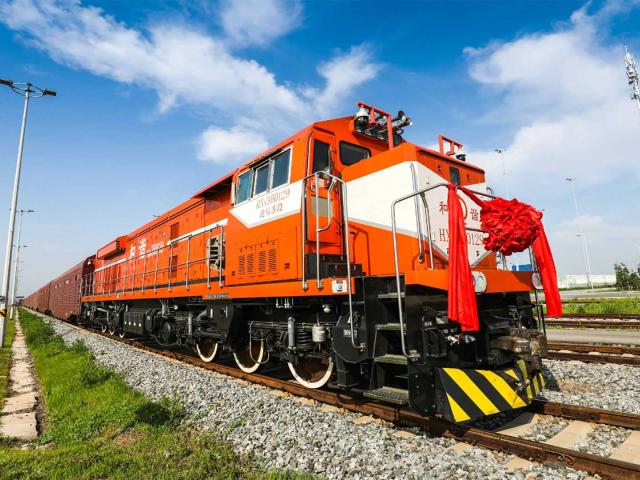
Domestic railway transportation is an indispensable part of China's logistics and transport system. In recent years, it has actively promoted informatization, intelligent, and standardized construction, advanced logistics models such as multimodal transport and containerized transport, continuously improving service quality and efficiency. More and more enterprises are choosing domestic railway transport. Different industries have different types of cargo. Below, we introduce what types of goods can be transported by domestic railway?
The variety of goods that can be transported by domestic railway is very extensive, covering almost all different industries and types of commodities, such as goods from the automotive, chemical, energy, agricultural, metallurgical, mining, forestry, and consumer goods industries, and so on.
Currently, goods transported by China's railway can be classified into 26 categories, namely: coal; petroleum; coke; metal ores; iron, steel, and non-ferrous metals; non-metallic ores; phosphate rock; mineral building materials; cement; timber; grain; cotton; chemical fertilizers and pesticides; salt; chemical products; metal products; industrial machinery; electronic/electrical machinery; agricultural implements; fresh and live goods; agricultural and sideline products; food, beverages and tobacco products; textiles, leather, fur and their products; paper and stationery supplies; medical supplies; and other goods.
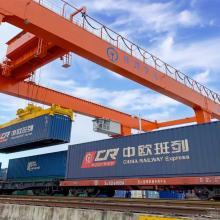
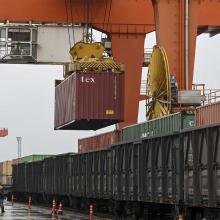
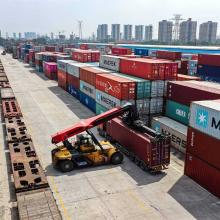
Currently, domestic railway cargo transport is divided into three types: full carload (wagonload), less-than-carload (LCL), and container. Full carload is suitable for transporting bulk goods; less-than-carload is suitable for transporting small batches of miscellaneous goods; containers are suitable for transporting precision, valuable, and fragile goods.
Goods transported southward on the domestic railway mainly include coal, ores, steel, timber, cotton, grain, etc., while goods transported northward mainly include machinery, instruments, food and beverages, paper products, general merchandise, etc.
Except for goods subject to special transport restrictions stipulated by the state, domestic railway accepts all types of cargo. However, the types and names of goods that can be handled at each domestic railway station are subject to different restrictions based on station regulations. It is recommended to consult with a professional logistics company or the railway transport department first to understand the specific types and names of goods that can be handled at each station, to ensure the goods meet the conditions for railway transport and are shipped smoothly.
Bofeng Logistics specializes in providing one-stop logistics services such as domestic container sea transport, international sea transport (FCL/LCL), Hong Kong & Macau logistics lines, as well as trailer, customs declaration, and warehousing. Contact number: 130-7567-8958 (Manager Huang). Call now to get your exclusive quote!
Packing Requirements for Railway Transport Goods
Railway transport has clear regulations on the packing of goods. The packing should be able to withstand the vibration, impact, and stacking pressure during railway transport. The following packing methods are recommended:
- Wooden case packing: suitable for heavy machinery and precision instruments
- Carton packing: suitable for light industrial products and daily necessities
- Pallet packing: facilitates mechanized loading and unloading, improving efficiency
- Strapped packing: suitable for long-shaped goods such as steel and timber
Notes: The weight and dimensions of each piece of goods in railway transport are limited by the loading and unloading equipment of the station. Oversized and overweight goods must confirm the loading and unloading conditions with the station in advance. The name of the goods must be declared truthfully. False declaration or concealment of dangerous goods is prohibited and will result in legal liability.
Related Logistics Services
Bofeng Logistics offers the following related services, feel free to inquire: