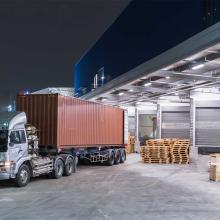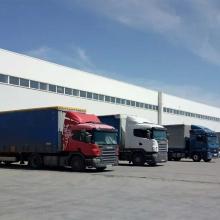
China-Hong Kong freight transportation, or Hong Kong freight, refers to the movement of goods between Mainland China and the Hong Kong Special Administrative Region. This term specifically denotes cross-border logistics services, covering the process of shipping goods from various cities in Mainland China to Hong Kong via land, sea, or air transport. Given Hong Kong's unique status as an international free trade port, China-Hong Kong freight serves as a vital bridge connecting the mainland with the global market, playing a crucial role in promoting economic and trade exchanges between the two regions.
Characteristics of China-Hong Kong Freight
- Policy Convenience: Relatively well-established customs clearance mechanisms and preferential policies between Hong Kong and the mainland make customs declaration and clearance for China-Hong Kong freight more convenient and efficient.
- Cross-Border Nature: Although they belong to the same country, the two regions operate under different customs tariff systems. Therefore, China-Hong Kong freight must comply with import and export trade regulations, involving procedures such as customs declaration and inspection quarantine.
- Multimodal Transport: China-Hong Kong freight can utilize various modes of transport, including land (e.g., trucks), sea, and air. Land transport is the most common, especially through border crossings in Shenzhen.
- Timeliness and Flexibility: To meet diverse customer needs, China-Hong Kong freight offers a variety of service options, such as express services, consolidated shipping, and door-to-door delivery, ensuring fast and flexible shipment of goods.
- Requirement for Professional Services: Due to complex customs clearance procedures and legal regulations, China-Hong Kong freight typically requires professional logistics companies to handle operations, ensuring logistics efficiency and compliance.
Procedures for China-Hong Kong Freight Operations
- Goods Preparation and Information Submission: The shipper must provide detailed cargo information, including product name, quantity, weight, volume, specifications, value, as well as the specific contact details and address of the consignee in Hong Kong.
- Determine Pickup Method: Customers can either deliver the goods to our warehouse themselves or arrange for our door-to-door pickup service.
- Customs Declaration and Clearance: Based on the nature of the goods and the mode of transport, corresponding customs procedures are completed. For general trade exports, export customs declaration must be filed, and goods can only leave the country after customs review and release. This process may involve the payment of tariffs, VAT, and other fees.
- Selection of Transport Mode: Choose the appropriate transport mode based on the urgency of the shipment, cost budget, and characteristics of the goods. Land transport is the most commonly used, especially via major ports like Huanggang, Wenjindu, Shenzhen Bay, or Liantang; sea transport is suitable for bulky or non-urgent cargo; air transport is ideal for high-value, urgent, small-volume shipments.
- Goods Tracking and Delivery: After the goods are shipped, we provide tracking services to ensure safe arrival and arrange for delivery within Hong Kong according to customer needs.
- After-Sales Service: Including but not limited to confirming receipt of goods, handling transportation issues, and collecting feedback to improve service quality.
Our company, Bofeng Logistics, specializes in China-Hong Kong freight operations. Contact number: 130-7567-8958
Related Logistics Services
Bofeng Logistics offers the following related services, feel free to inquire: