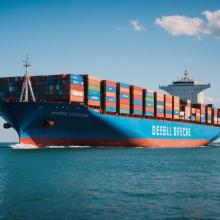
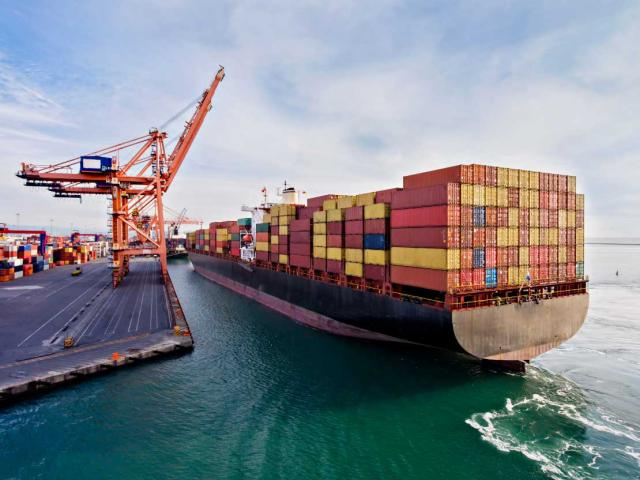
"On Board Bill of Lading" refers to a bill of lading issued after the goods have been loaded onto the vessel. In maritime shipping operations, except for container transportation, the "On Board Bill of Lading" is mostly used. Maritime cargo transport conventions and the maritime laws of various countries stipulate that after the goods are loaded on board, the carrier shall issue an "On Board Bill of Lading" at the request of the shipper. The "On Board Bill of Lading" must bear the words "On Board" or be signed as "Shipped On Board the Vessel Called x x" (loaded onto the vessel named x x). It must have the captain's signature, as the captain is the legal agent of the carrier (the captain is a senior officer of the shipowner). Only with the captain's signature can the contract become effective. Additionally, it must include the name of the carrying vessel and the date of loading.
Main Features
- Clear Loading Information: The On Board Bill of Lading will explicitly indicate that the goods have been loaded onto a specific vessel, along with the loading date and location, providing an exact starting point for the transport process.
- Evidence of Maritime Contract: The bill of lading is not only a receipt for the goods but also evidence of the transport contract between the carrier and the shipper, defining the rights and obligations of both parties.
- Document of Title: The holder of the On Board Bill of Lading has the right to demand delivery of the goods from the carrier at the destination. The bill of lading can be transferred to facilitate the transfer of ownership of the goods.
- Essential for Letter of Credit Transactions: In transactions using letters of credit as the payment method, banks typically require the presentation of an On Board Bill of Lading as one of the prerequisites for payment, ensuring the goods have been shipped according to the letter of credit terms.
Importance
- Indicator of Risk Transfer: According to international trade terms such as FOB, CFR, CIF, the issuance date of the On Board Bill of Lading is usually the point at which risk transfers from the seller to the buyer.
- Avoiding Disputes: Clearly recorded loading details help reduce disputes regarding shipping times or locations, ensuring smooth transaction progress.
Precautions
- Verify Information Accuracy: The shipper must carefully check all information on the bill of lading, including the description of goods, quantity, weight, vessel name, voyage number, loading date, etc., to ensure it fully matches the actual situation.
- Submit Timely: In letter of credit transactions, the On Board Bill of Lading must be submitted within the time limit stipulated by the letter of credit; failure to do so may result in payment delays or bank refusal to pay.
- Understand Special Requirements: Import regulations in different countries and regions may have specific requirements for bills of lading, such as needing to display specific annotations or attach additional documents.
Bofeng Logistics specializes in providing one-stop logistics services including domestic container shipping, international shipping (FCL/LCL), dedicated logistics routes to/from Hong Kong and Macau, as well as trailer, customs brokerage, and warehousing services. Contact number: 130-7567-8958 (Manager Huang), call now for a customized quote!