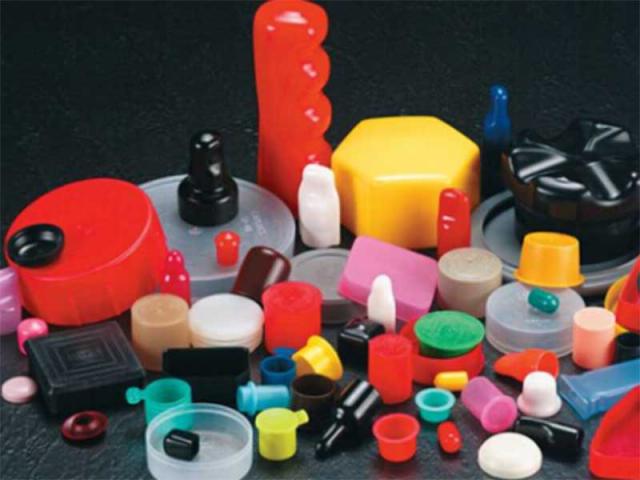
1. Confirm whether the product is subject to inspection. There are many types of exported plastic products, and inspection declarants must be adept at distinguishing them. Plastic products requiring export inspection mainly include the following four categories: tableware, such as cups, bowls, bottles, forks, placemats, and knife holders; kitchen utensils, such as water basins, storage jars, and funnels; other household items, such as ashtrays, thermos bottles, trash cans, and tablecloths; sanitary and toilet articles, such as flush tanks, spittoons, soap dishes, toothbrush holders, and towel hooks.
2. Prepare all application documents at once. In addition to standard documents such as the出境货物报检单 (Application for Export Goods Inspection), foreign sales contract, export invoice, and export packing list, for settlements by letter of credit, a copy of the L/C must be attached. Declarants must also provide a self-declaration, a list of material components, and an inspection report for the exported goods.
3. Ensure consistency between documents. Plastic products often use imported raw materials. According to the relevant provisions of the National Development and Reform Commission and Ministry of Finance on the《出入境检验检疫收费办法》 (Measures for the Collection of Fees for Entry-Exit Inspection and Quarantine), processing with imported materials requires verification of the Customs handbook, and eligible products are eligible for preferential inspection fees. During verification of the Customs handbook, inconsistencies between the export destination, contract number, and the declaration content are common. Further investigation shows this is because the exported contract registered with Customs differs from the contract submitted for the inspection application, leading to discrepancies between the declared product name, destination country, and the registered contract.
4. Input the inspection declaration form correctly. Under "Shipper/Consignor", enter the seller as per the foreign trade contract; under "Description of Goods", fill in the name as per the foreign trade contract; for "Weight", fill in net weight (not gross weight); for "Type and Quantity of Package", generally fill in xx cartons; for "Marks and No.s", match them with the contract and invoice—if there are no marks, fill in "N/M" and do not leave it blank; the application form must be stamped with the official seal and signed in person by the inspection declarant.
Plastic Product Export Inspection Application Process
When applying for export inspection of plastic products, you must provide product composition descriptions, test reports, MSDS, etc. Different types of plastic products of different usages entail different inspection standards. It is recommended to learn in advance the specific requirements of the destination country.
Notes on Plastic Product Export Inspection Application
- HS Code Confirmation—Different plastic products have different HS codes (e.g., plastic tableware 3924, plastic packaging bags 3923, etc.). The correct HS code determines regulatory conditions and duty rates.
- Material Certificate—Some importing countries require proof of the material composition of plastic products and test reports on heavy metal content.
- Food Contact Material Certification—Plastic products intended for food contact must meet the importing country's food contact material safety standards (e.g., EU regulation 10/2011, US FDA standards).
- Environmental Requirements—Some countries have enacted legislation restricting the import of disposable plastic products. You should confirm the destination country's environmental laws and regulations before exporting.
- Packaging Requirements—When plastic products themselves serve as packaging materials, they must comply with relevant regulations of the destination country regarding packaging waste.
Plastic product export companies must confirm the specific market access requirements of the importing country with the buyer before accepting an order to avoid return or destruction due to non-compliance.
Bofeng Logistics specializes in providing one-stop logistics services including domestic container shipping, international sea freight (FCL/LCL), Hong Kong and Macao logistics routes, as well as trucking, customs clearance, and warehousing. Contact number: 130-7567-8958 (Manager Huang). Call now for your exclusive quote!
Related Logistics Services
Bofeng Logistics offers the following related services, feel free to inquire: