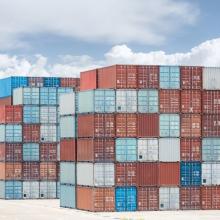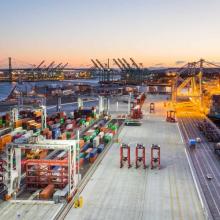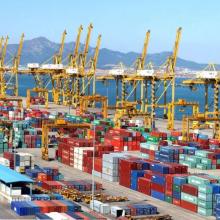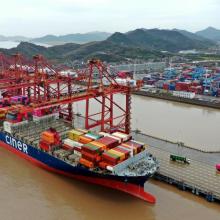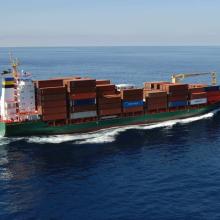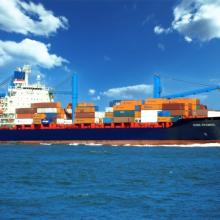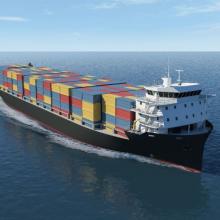
As the primary mode of transportation in international trade, ocean shipping dominates global freight due to its high capacity and low cost. Understanding ocean shipping begins with grasping two fundamental transport forms: Full Container Load (FCL) suits customers with sufficient cargo volume, offering dedicated container space; Less than Container Load (LCL) provides an economical shared solution for customers with small to medium cargo volumes.
Key maritime terms include: sailing schedule, port cut-off date, ETD (Estimated Time of Departure), ETA (Estimated Time of Arrival), and Bill of Lading (B/L). Cost components typically encompass ocean freight charges, THC (Terminal Handling Charge), documentation fees, customs clearance fees, and more. Additionally, understanding container types (20GP/40GP/40HQ), dangerous goods transportation requirements, and insurance coverage is essential.
Mastering these fundamentals enables better logistics planning, effective cost control, and ensures timely, secure delivery. We recommend thoroughly researching destination port customs clearance requirements before shipment to avoid additional charges and delays.