
Hong Kong
China
1. Port Overview
Hong Kong Port is one of the busiest free ports in the world, with a dense global shipping network [according to the Hong Kong Maritime and Port Board 2025]. Bofeng Logistics uses Hong Kong Port as a core transshipment hub, providing international sea freight services transshipped via Hong Kong to destinations worldwide.
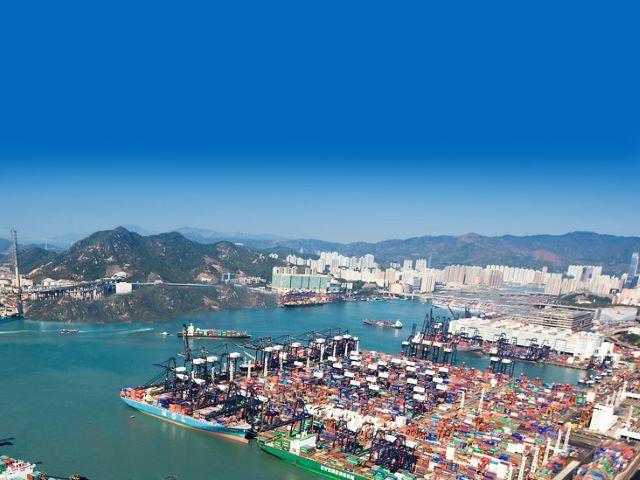
Hong Kong Port is located in the Hong Kong Special Administrative Region, on the east side of the Pearl River Estuary, bordering the South China Sea. It is one of the busiest container ports in the world and the most important international transshipment hub in South China. As one of the world's largest free ports, it offers high customs clearance efficiency and serves as a key bridge connecting mainland China to global markets [according to the Hong Kong Maritime and Port Board 2025]. Hong Kong Port features several modern container terminals, including the Kwai Tsing Container Terminal, with water depths of 14–16 meters.
Bofeng Logistics' Hong Kong-Macau dedicated route uses Hong Kong Port as its core hub, enabling cargo from cities on the west bank of the Pearl River such as Zhuhai, Zhongshan, and Jiangmen to be exported worldwide via Hong Kong.
2. Main Routes
2.1 Domestic Routes
| Destination Port | Estimated Transit Time | Route Type |
|---|---|---|
| Shenzhen Port | Approx. 1 day | Pearl River Delta Route |
| Guangzhou Port | 1–2 days | Pearl River Delta Route |
| Zhuhai Port | 1–2 days | Pearl River Delta Route |
| Shanghai Port | 3–4 days | Coastal Route |
2.2 Major International Routes
| Destination Port | Estimated Transit Time | Common Shipping Lines |
|---|---|---|
| Singapore Port | 4–6 days | COSCO, MAERSK, MSC |
| Los Angeles Port | 12–15 days | EVERGREEN, COSCO |
| Hamburg Port | 24–28 days | COSCO, MAERSK |
| Sydney Port | 10–13 days | CMA CGM, ONE |
The barge transport network between Hong Kong Port and mainland Chinese ports is dense, making it a vital channel for transshipping cargo from the Pearl River Delta onto international routes.
3. Bofeng Logistics Experience Sharing
Bofeng Logistics Experience Sharing: The core advantages of Hong Kong Port as a free port are its convenient customs clearance and dense route network. For factories or traders without import/export qualifications, exporting through Hong Kong is a convenient option—Hong Kong's export customs declaration process is simple, and its routes from Hong Kong to major world ports cover the globe. Bofeng Logistics has been operating its Hong Kong dedicated route for many years, with daily barge services from Zhuhai/Zhongshan to Hong Kong. International cargo transshipped via Hong Kong benefits from mature operations and controllable costs. However, it should be noted that wharfage and trucking fees in Hong Kong are higher than in mainland ports; total costs must be considered in a comprehensive evaluation.
4. Shipping Recommendations
The free storage period at Hong Kong Port is typically 3–5 days. Cross-border trucking between Hong Kong and mainland China requires customs declaration and clearance. Hong Kong Port and Shenzhen Port (Yantian/Shekou) develop synergistically, together forming the largest port cluster in South China.
Frequently Asked Questions
Q: How should Hong Kong Port and Shenzhen Port be used together? A: Hong Kong Port has a denser route network but higher costs, while Shenzhen Port offers more competitive freight rates on South China routes. A common approach: large-volume cargo is shipped direct via Shenzhen Port, while small batches or urgent cargo is transshipped via Hong Kong. Bofeng Logistics can provide a comparison of both options.
📍 Feel free to contact us for real-time freight rates.
Related ports: Shenzhen Port | Zhuhai Port | Hongwan Port