Client Background
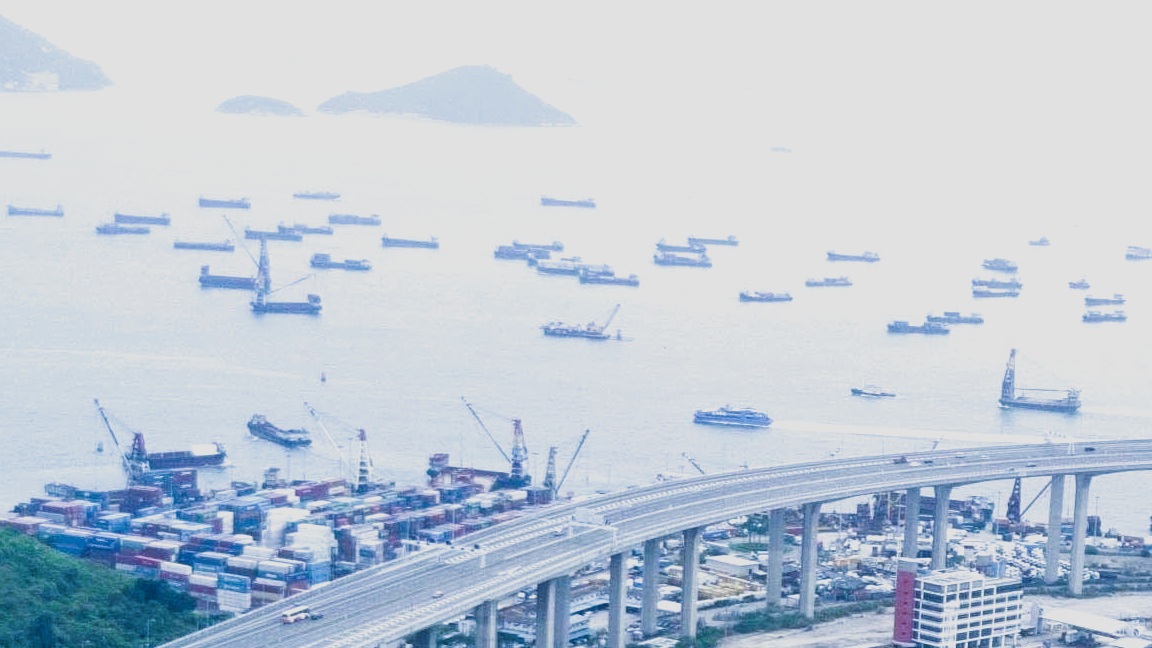
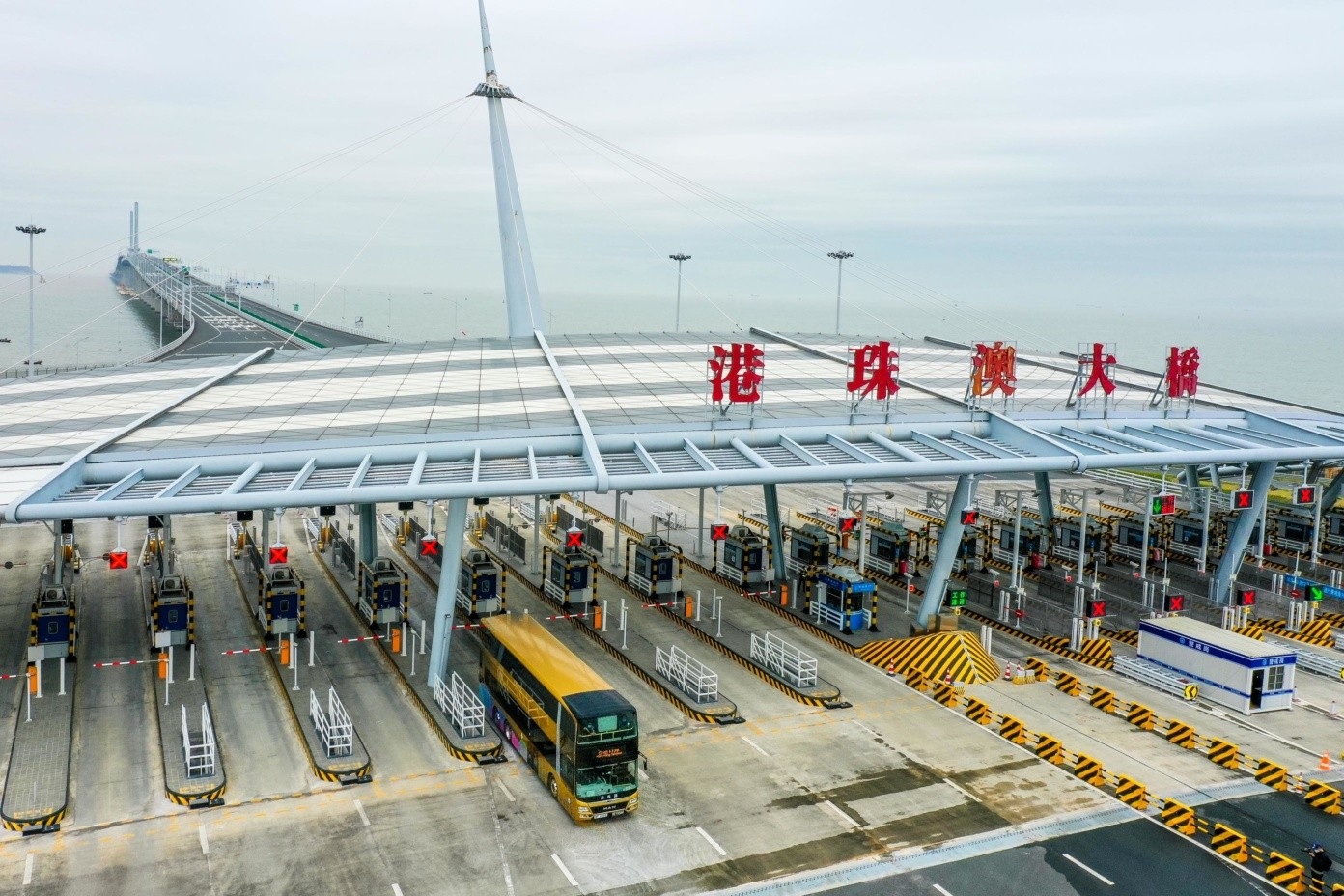
Macao’s tourism and hotel industry is highly developed. The Macao Peninsula and Cotai are home to a large number of high-star hotels, resorts, food and beverage groups, and convention and exhibition venues, creating large and sustained demand for hotel and catering support supplies. Macao has limited local space and weak in-house logistics capabilities, so the vast majority of hotel food ingredients, guest room consumables, beverages, disposable supplies, and banquet linens depend on supply from the mainland, especially the Pearl River Delta. Since the Hong Kong-Zhuhai-Macao Bridge opened, the overland route from Zhuhai and even the Pearl River Delta to Macao has been greatly shortened—after leaving the warehouse, it takes only about 30–40 minutes via the bridge to reach the Macao border checkpoint. Combined with customs clearance and in-city delivery, most hotel supplies can achieve a same-day order, same-day delivery service level.
The subject of this case is a hotel and catering supplies supplier in Zhuhai, which provides scheduled supply of food ingredients, guest room consumables, and banquet supplies to multiple hotels, resorts, and food and beverage groups in Macao. Hotel food and beverage and guest room operations are continuous: buffet restaurants open every day, guest room linens are changed every day, and banquets are scheduled according to the event calendar—demand for these supplies is “diverse in category, high in frequency, and focused on freshness and intactness.” Food ingredients must be kept fresh at controlled temperatures, beverages and glassware must be protected from breakage, and linens and consumables must be replenished on time. If any link in the supply is interrupted, at best a dish lacks an ingredient or a room lacks an item; at worst a banquet must be adjusted at the last minute, directly affecting the hotel’s operating reputation and guest experience.
For this supplier, solving individual issues is not difficult; the hard part is coordinating “delivering more than a dozen types of supplies to more than a dozen outlets in Macao on the same day, across different temperature zones, and on time.” In the past, the supplier split different categories among multiple carriers: food ingredients went by cold chain, consumables by LTL, and urgent items by express. Each segment was handled by a different company running on its own schedule; arrival times at outlets varied, temperature control was difficult to maintain throughout, and cargo damage and stockouts occurred frequently. What the customer needs is to integrate “transportation, temperature control, acceptance inspection, and delivery scheduling at outlets” into a supply chain channel that can cover both food ingredients and guest room supplies at the same time, rather than finding a carrier for each shipment and having each provider manage its own segment.
Key Challenges
Before switching to the Bofeng solution, suppliers’ Macau deliveries relied mainly on a “multi-segment patchwork,” with actual problems concentrated in four areas:
- Gaps in temperature-zone continuity: Foodservice ingredients are temperature-sensitive. In the past, food ingredients were mixed with guest-room consumables in vehicles or transferred in segments; cold-chain goods often lost temperature in transit and failed to meet temperature standards on arrival at the hotel, only to be discovered during hotel receiving. Returns and replacements delayed operations and increased losses;
- Inconsistent arrival times, missed receiving windows: Hotels have restricted receiving hours. In the past, LTL transshipment transit times fluctuated widely, and arrival times at different stores on the same day were uneven. Late deliveries often missed the same-day receiving window and could only be delayed to the next day, disrupting meal preparation and operations scheduling;
- Chaotic load planning across multiple categories and temperature zones: A single order might contain refrigerated ingredients, ambient dry goods, fragile beverages/alcohol, and linens. Each carrier loaded its own way; unreasonable load planning caused wasted space, item-to-item compression damage, and broken glass items, keeping damage rates persistently high;
- Unclear responsibility for receiving inspection and shortages: Under multi-segment transport, it was unclear whether missing items or damage on arrival at the store were the carrier’s or the supplier’s responsibility. The hotel side used inconsistent standards, replenishment required back-and-forth trips, the supplier’s fulfillment and reconciliation costs kept accumulating, and trust on the hotel side eroded.
The essence of these challenges is that “the hotel materials supply chain values punctuality, constant temperature, and intactness,” while “multi-segment patchwork logistics” can only satisfy “delivered,” not “on-time, temperature-controlled, intact.” Hotels’ demand for materials is stable, schedulable, and verified by store—requiring a scheduled supply channel that connects transportation, temperature control, and receiving inspection into one integrated whole.
Transport Requirements
- Route: Zhuhai warehouse → via the Hong Kong-Zhuhai-Macao Bridge → Macao, with scheduled deliveries arranged by "hotel outlet × delivery time window";
- Cargo: catering ingredients (refrigerated/ambient separated by temperature zone), beverages, guest room consumables and linens, disposable supplies, banquet materials, and other hotel food and beverage support items; ingredients are handled under food-grade safe transport requirements, while ordinary dry food, beverages, and consumables are handled as general cargo, with no hazardous chemicals involved;
- Time performance: reverse-scheduled from each hotel's daily receiving time window; cold chain and dry goods travel in the same vehicle with segmented temperature control; outbound-to-arrival is stable by shift (mostly same-day delivery);
- Temperature control: the refrigerated zone is transported at the specified temperature throughout; any temperature excursion is treated as an exception requiring immediate handling;
- Fulfillment standard: arrival at the hotel is based on the hotel's signed receipt; shortages/damage are verified on site; responsibility is clear and no longer passed between multiple segments;
- Insurance: insured according to cargo value; high-temperature excursions and cargo damage are claimed as agreed.
The supplier's core demand is to turn "the goods delivered to a dozen-plus hotels today are complete the same day, arrive on time, and are intact upon arrival at the hotel" into standard actions that can be reproduced every day—transport is not "hauling the goods away," but "placing the hotel's operating supplies for tomorrow at its doorstep today according to its schedule."
Solution
Bofeng has built for its customers a Macao hotel F&B supply chain channel of “multi-temperature-zone full truckload + scheduled store delivery + pre-inspection,” transforming fragmented transportation into a supply chain that can be scheduled, reviewed, and reproduced store by store:
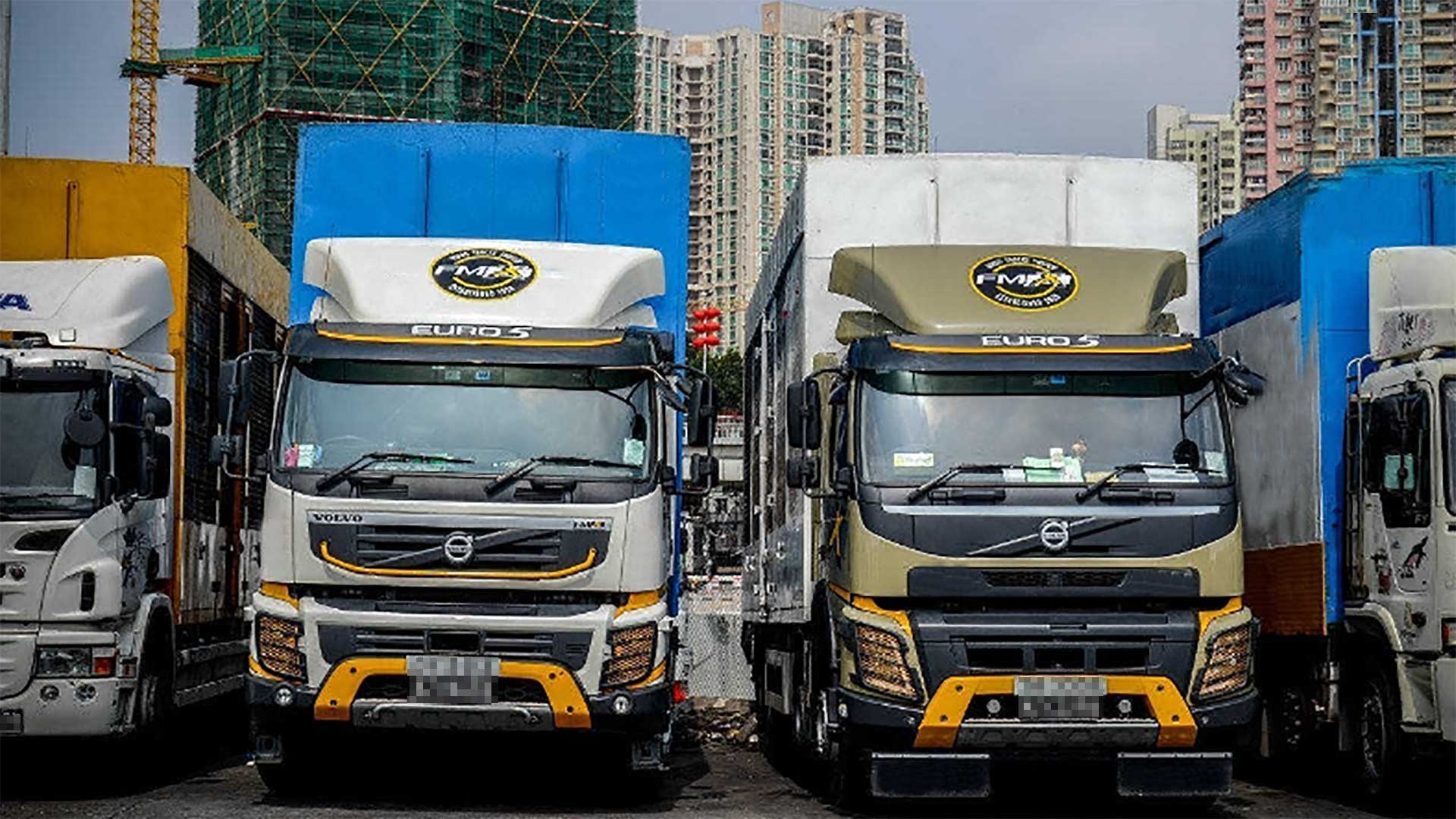
- Multi-temperature-zone full-truckload stowage: load vehicles by zone for “refrigerated ingredients, ambient dry goods, fragile beverages, and guest-room linens”; the refrigerated and ambient zones are physically separated, vehicles depart with temperature control, and glass items are individually cushioned and reinforced; multiple categories of materials in one order arrive at the store in the same vehicle and same batch, no longer handled by different parties per leg or transferred in segments;
- Scheduling by store arrival time window: before outbound dispatch, confirm each hotel store’s receiving window for the day, work backward from the latest store arrival to lock departure times and in-transit milestones, clear customs via the Hong Kong-Zhuhai-Macao Bridge, then distribute on routes divided by store; multiple stores on the same day arrive one by one on schedule, turning “arriving today” into “arriving today on schedule together”;
- Pre-inspection and shortage recheck: before outbound dispatch, scan and verify item by item by store and keep photo records; at the store, count and sign off on the spot with the hotel’s receiving party; shortages, damage, and temperature anomalies are recorded and reviewed on site, with a single point of responsibility, no more buck-passing across multiple segments, and supplier and hotel fulfillment standards aligned in one go;
- Temperature-controlled trip traceability: full temperature records for the refrigerated leg are delivered with the goods; if a temperature excursion occurs, the hotel is notified in advance and a replenishment contingency plan is synchronized, intercepting rejection risks before arrival at the store;
- Fixed schedules and holiday contingency plans: set daily fixed runs according to the operating rhythm of Macao hotels; during major exhibitions and conferences or festival peak periods, add runs and deploy additional vehicles; in abnormal situations such as sudden typhoons or temporary port controls, coordinate backup transport windows in advance to minimize the impact on hotel operations;
- Single point of contact: procurement, loading, customs clearance, and store arrival are all followed up through one person and one window; suppliers only need to prepare orders and inspect goods, while all remaining on-road processes are coordinated by Bofeng, and reconciliation can be checked item by item by store and by category.
The essence of the supply chain lies in the “scheduling system”: it transforms “transportation” into an assembly line that runs to the rhythm of hotel receiving—what time vehicles depart each day, what is loaded in each temperature zone, what time they arrive at which store, and whom to find for sign-off on arrival are all set in advance and executed per order. All suppliers need to do is deliver today’s order to the outbound dock; the rest—on-time, temperature-controlled, and intact—is backed by the entire chain.
Results
After the collaboration, the supplier's Macau hotel supplies distribution shifted from "multi-leg patchwork, uneven arrival times" to "scheduled delivery, constant temperature and intact condition," and operational performance took a clear step up:
| Metric | Before optimization (multi-leg patchwork) | After optimization (scheduled full truckload) | Improvement |
|---|---|---|---|
| On-time arrival rate (within receiving window) | Approx. 82% | Approx. 98% | Increased by about 16 percentage points |
| Hotel operational delays due to stockouts/late arrivals | Occasional | Decreased significantly | Scheduling assurance |
| Consistency rate of qualified ingredient acceptance | Approx. 92% | Close to 100% | Stable temperature control |
| Cargo damage / breakage rate | Relatively high | Decreased significantly | Temperature-zone segregation + cushioning reinforcement |
Data statement: The above are data for this case (as of July 2026), reflecting individual performance during this customer's cooperation period and do not constitute a service commitment; this case is an anonymized adaptation based on actual carriage experience, and customer information has been omitted as required by authorization.
Quantitatively: ① The on-time arrival rate increased from about 82% to about 98%—mainly due to reverse-scheduling departures from hotel receiving time windows and punctual route handoffs upon arrival, which greatly reduced late arrivals missing the receiving window; ② the qualified ingredient acceptance consistency rate is close to 100%—after constant-temperature departures for refrigerated segments and full-process temperature traceability, rejections due to temperature excursions have basically been eliminated from operations; ③ stockout and damage rates decreased significantly—temperature-zone load planning and cushioning reinforcement for glass items directly reduced cargo damage; ④ multi-party buck-passing disappeared—after pre-acceptance and single-point accountability, fulfillment issues between the supplier and hotels are aligned in one pass, with no more back-and-forth finger-pointing. These improvements are ultimately reflected on the hotel side: ingredients arrive the same day, banquet supplies are ready according to schedule, and guest room consumables are not interrupted. The logistics certainty of hotel operations has improved markedly, and the supplier's long-term cooperation volume and repeat purchases have improved in tandem.
This combination of "temperature-zone full truckload + scheduled arrival at hotels + pre-acceptance" is suitable for Macau hotel catering supplies that are sensitive to "on-time, constant temperature, intact condition," such as fresh ingredients, hotel consumables, food and beverage/alcohol, and banquet linens. The Macau hotel industry's dependence on the supply chain is all-encompassing. Whoever can place mainland supplies stably and on time at the doorsteps of Macau hotels will gain certainty in this logistics competition—this is precisely where the value of a professional China–Hong Kong/Macau logistics service provider lies.
The cooperation between the two parties has entered its second year; the above is a case record of continuous shipments over the past 12 months.
Client Testimonial
"In the past, ingredients and consumables were shipped separately by several companies. They wouldn't all arrive on time, and the temperature was inconsistent. Whenever the hotel chased us, we panicked. Now, with unified scheduling and full-truck delivery, refrigerated and dry goods are separated into temperature-controlled zones. They arrive on schedule and are signed for on the spot. Anything missing is verified right there, so the hotel rarely comes to us about supplies anymore."
— Customer feedback for Bofeng Logistics · Macau Logistics Dedicated Line (published with authorization and redacted for privacy)
Need a similar logistics solution? Contact us — a plan within 30 minutes.
Phone:13075678958 | WhatsApp:+86 13075678958 | Email:info@zhbfwl.com
Get a Quote