Client Background
Guzhen Town, Zhongshan, is a nationally renowned lighting industry cluster, bringing together a large number of manufacturers of home lighting, commercial lighting, outdoor lighting, and various lighting accessories. The client is a local medium-to-large lighting manufacturer specializing in household pendant lights, ceiling lights, commercial panel lights, and complete lighting sets for export, with downstream coverage of lighting brand owners, importers, and mass retail channels in Europe, America, and the Middle East. The lighting export industry is highly seasonal: orders are concentrated around the Spring Canton Fair, the Canton Fair, and the overseas sourcing peak season, with large shipment volumes and tight cycles.
The client’s previous export model mainly relied on direct sailings or transshipment through domestic ports, but lighting products have two notable characteristics: first, they are bulky and irregularly shaped; pendant lights and combined lighting sets still take up considerable packaging volume after disassembly and reassembly, and both heavy cargo and bulky, low-density cargo are present. Second, they are mostly made of fragile materials; glass lampshades, ceramic lamp panels, and large frames are fragile and easily damaged in transit. Direct routes are limited, peak-season capacity is tight, and some orders require multiple transshipments, resulting in long transit times and frequent loading and unloading for the lighting products, which significantly increases the risk of damage.
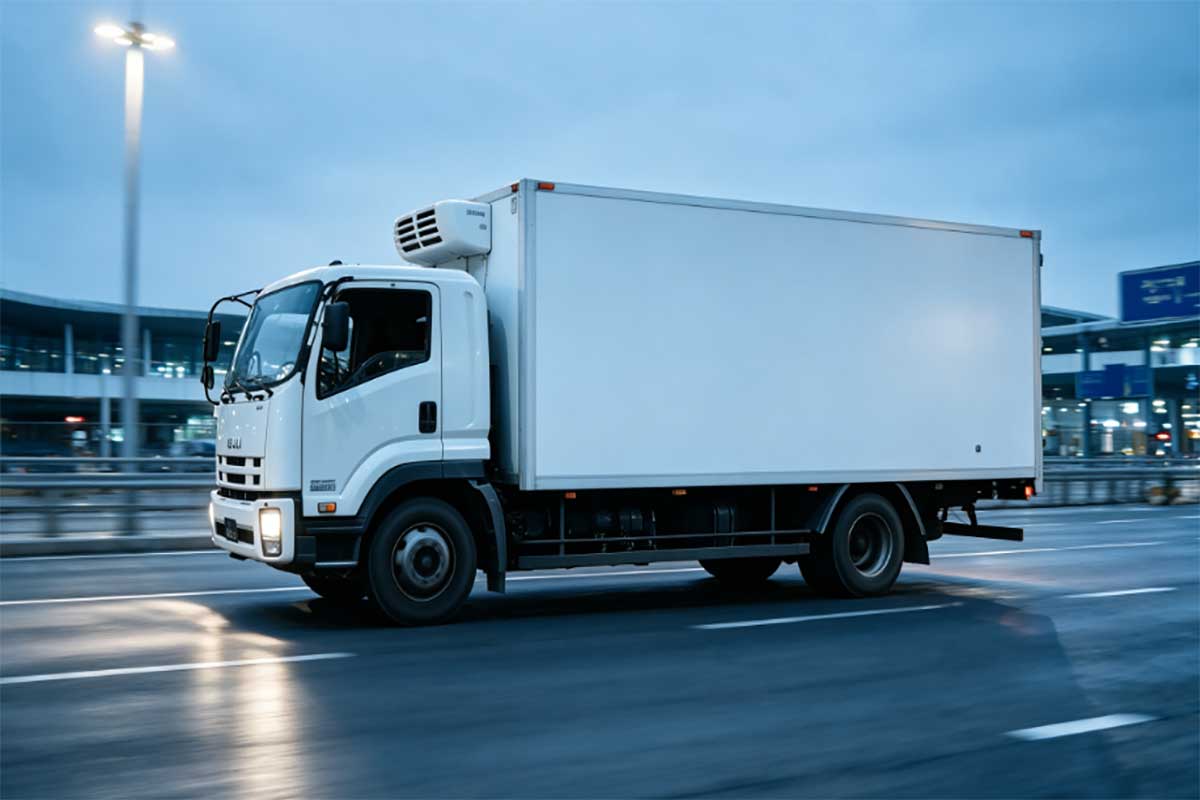
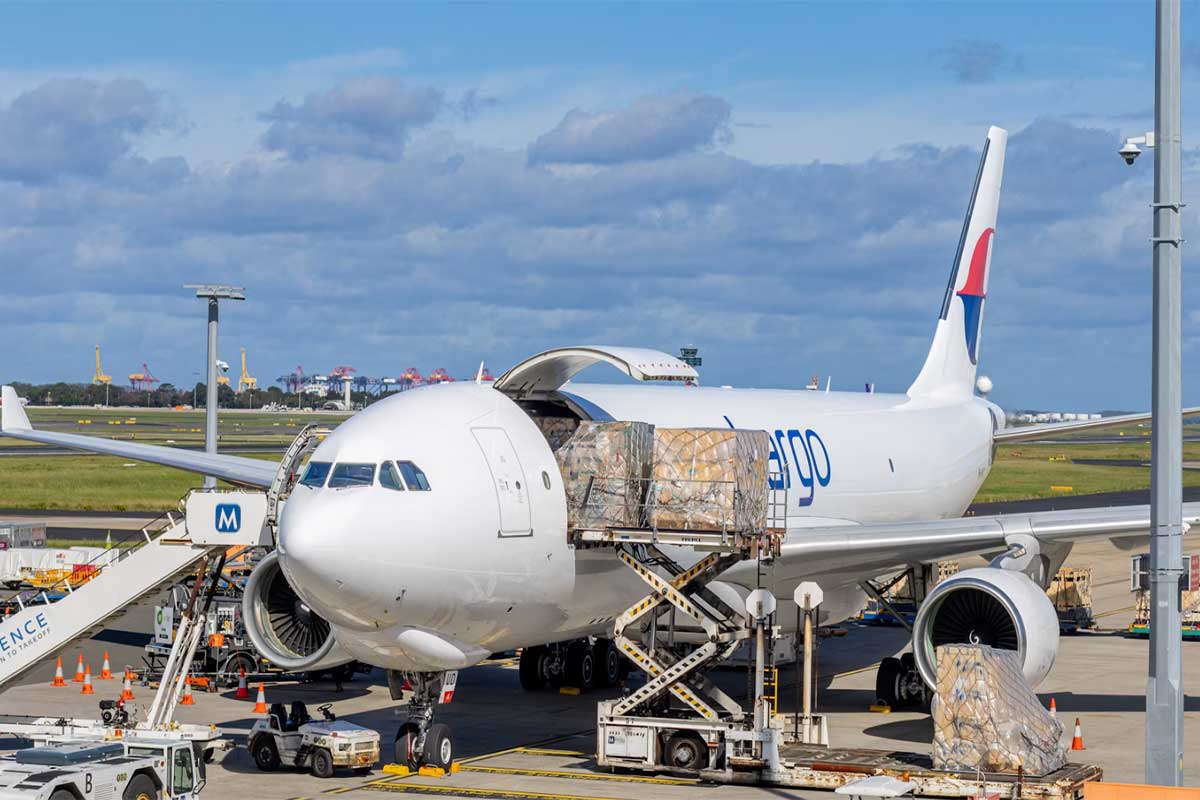
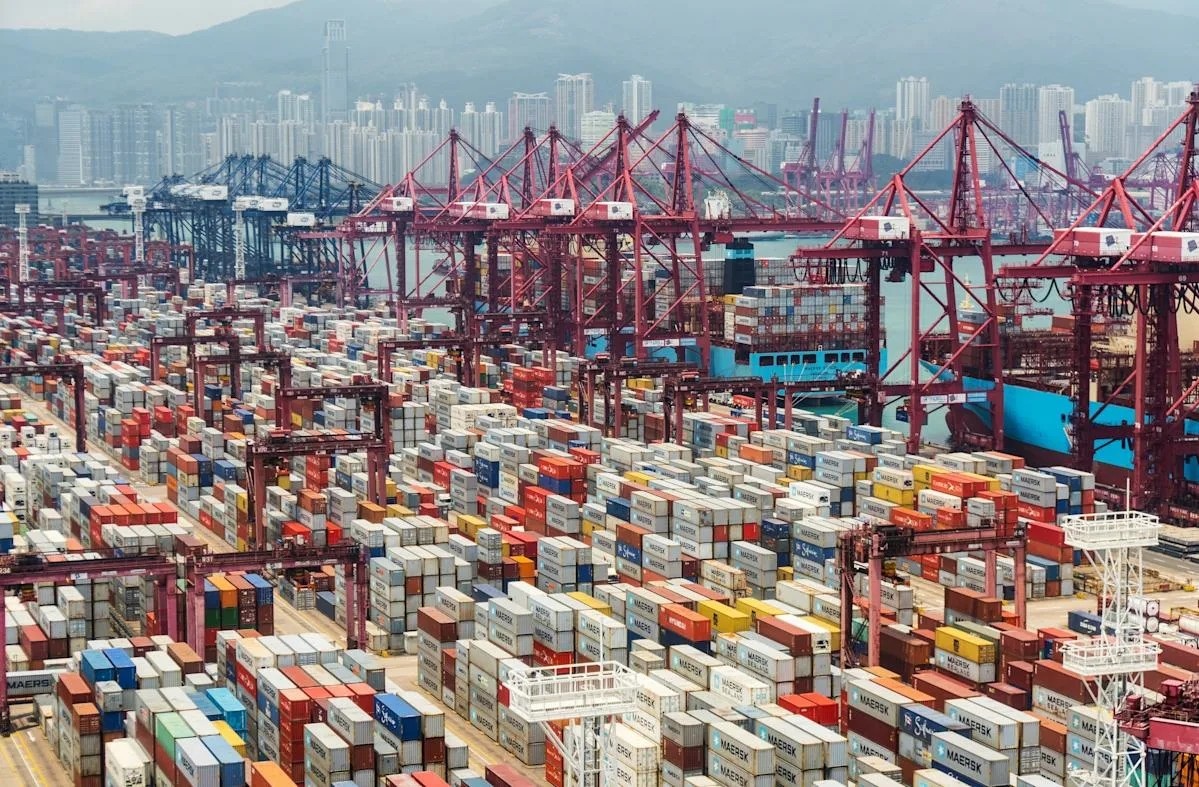
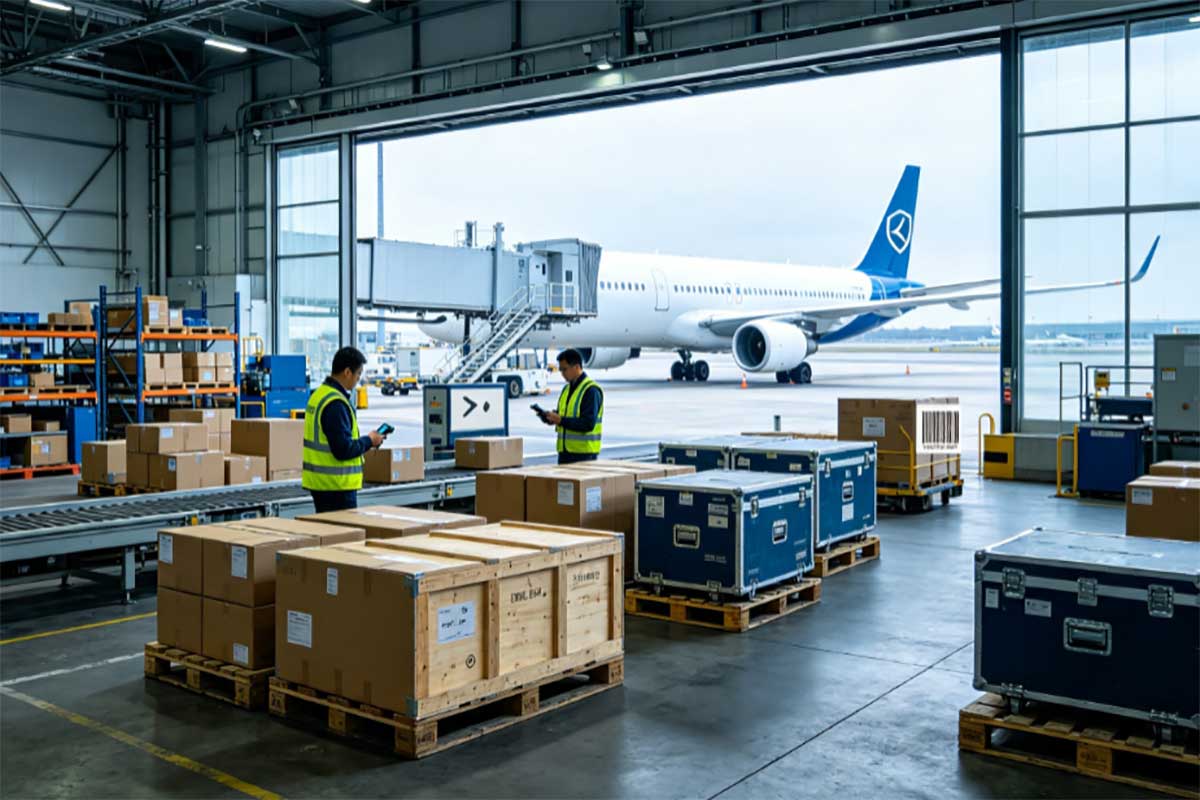
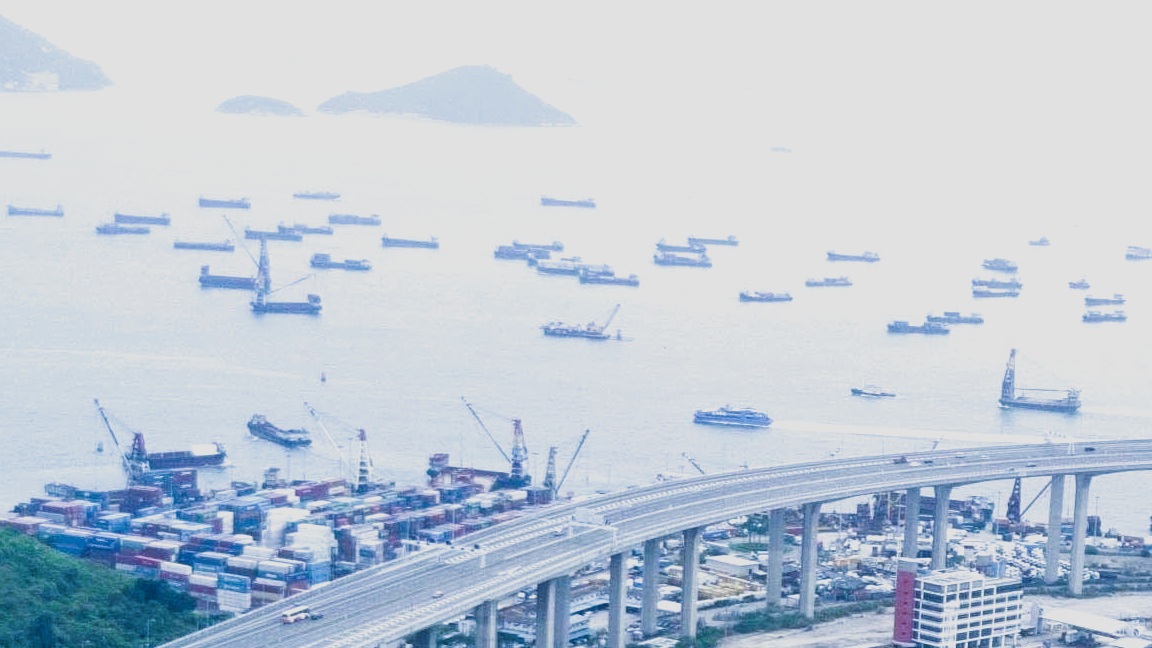
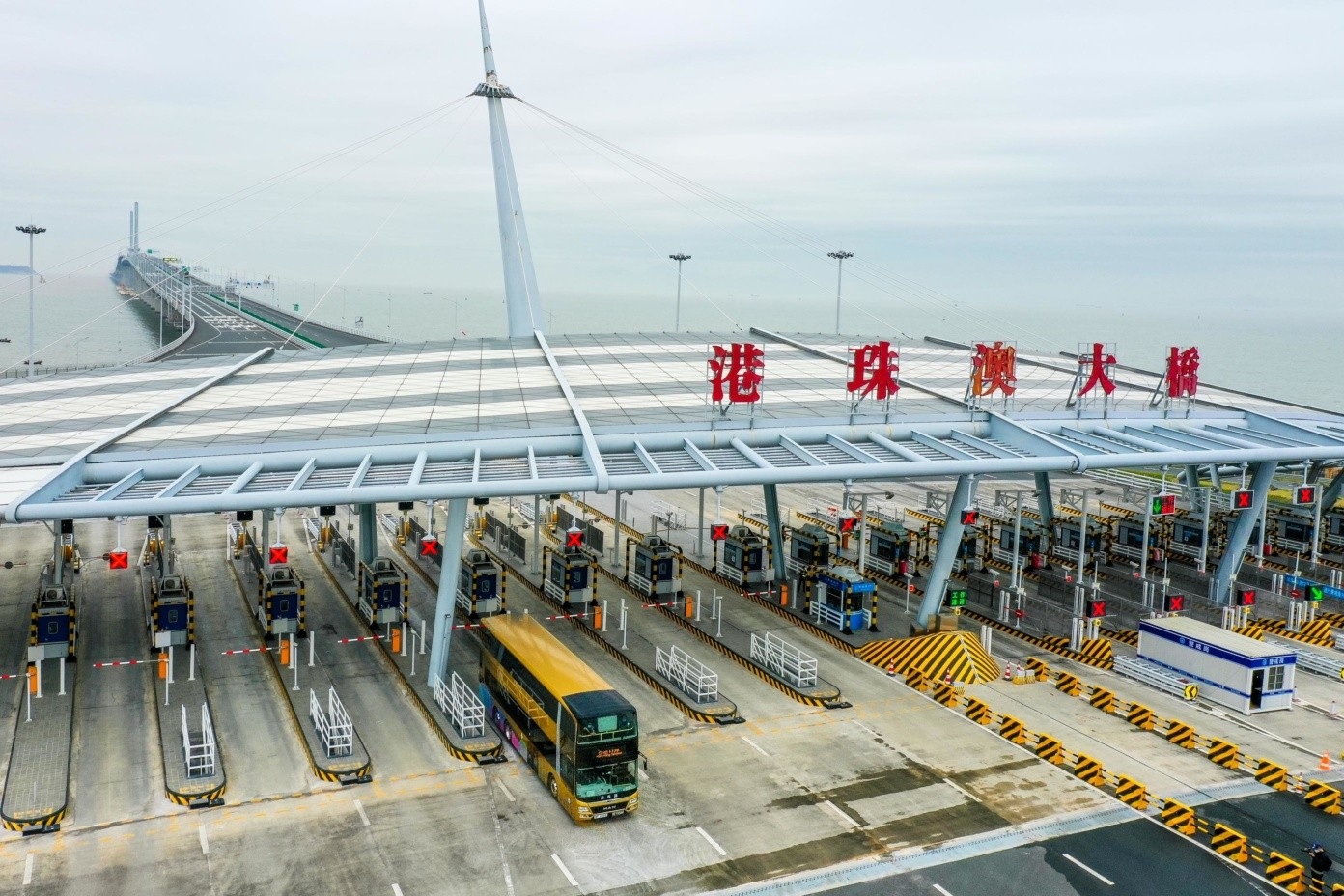
The client gradually shifted its export channel to “export via Hong Kong”: on the domestic leg, the lighting products are transported from Guzhen, Zhongshan to Hong Kong by full truckload or less-than-truckload, connecting to Hong Kong’s terminals and aviation hubs, or entering Hong Kong warehouses for storage, sorting, and consolidation before being shipped overseas. Hong Kong Airport and Kwai Chung Terminals have dense routes, broad coverage of international flights and sailing schedules, and make peak-season space relatively easier to secure, using the Hong Kong hub’s route network to obtain overseas transit-time and capacity guarantees. This intermodal model is essentially a combination of “China-Hong Kong transport + Hong Kong warehousing/port-air intermodal transport”—an extra leg of China-Hong Kong transport cost in exchange for a more reliable shipping channel, more stable delivery times, and lower damage risk.
Key Challenges
- Lighting fixtures are fragile, and breakage is the biggest cost: Materials such as glass, ceramics, and plastic are prone to shattering during loading/unloading, transfer, and jolting; the more transshipments, the higher the damage rate, and every damaged piece directly affects profit and delivery schedules;
- Irregular volumes make vehicle loading and stowage difficult: Chandeliers, combination lights, and large panel lights are bulky and irregularly shaped, with heavy cargo and light/bulky cargo coexisting; ordinary transport easily leads to underloading or crushing damage, and unreasonable stowage both wastes space and increases damage;
- Vehicle and space shortages during peak seasons: Before the Canton Fair and the overseas procurement peak season, cargo volumes surge, and both China-Hong Kong vehicles and Hong Kong terminal/flight space are tight, making schedule reliability difficult to guarantee;
- Many declaration elements and cumbersome port procedures: Lighting exports involve declaration elements such as product name, material, specifications, and quantity; combined with transshipment/warehousing procedures upon arrival at the port, untimely document handover can easily cause customs holds and delays;
- Poor coordination between Hong Kong warehouses/terminals: After goods arrive in Hong Kong, whether they go directly into storage, are consolidated and shipped, or are exported by Hong Kong air/Hong Kong sea requires close coordination with Hong Kong-side warehousing and booking; poor coordination leads to detention and extra costs;
- Seasonal and weather fluctuations: During heavy rain and typhoon seasons or winter, operations on the China-Hong Kong leg and at Hong Kong terminals are affected, compressing arrival timelines.
The core of these challenges lies in "reverse scheduling segment by segment and seamless connection": lighting fixtures are bulky and fragile, and any delay or mishandling in the domestic leg, the China-Hong Kong leg, or the Hong Kong leg will directly translate into cargo damage and delivery losses. For customers, the difficulty of exporting via Hong Kong is not in any single segment, but in whether the connections between segments are perfectly aligned, and whether packaging and vehicle loading protect the lighting fixtures.
Transport Requirements
- Route: Guzhen, Zhongshan → Pearl River Delta → Hong Kong terminal / Hong Kong Airport / Hong Kong warehouse (export intermodal transport via Hong Kong);
- Cargo type: Household pendant lights, ceiling lights, commercial lighting panel lights, large-size frames, and other lighting fixtures, including matching accessories;
- Transit time: Work backward from Hong Kong terminal sailing schedules / Hong Kong airport flight schedules / warehouse cutoff times, and align every stage to meet the deadlines;
- Packaging requirements: Dedicated shockproof and moisture-proof packaging for lighting fixtures, zoned protection for glass components, and proper balancing of heavy and low-density cargo;
- Declaration and port affairs: Get export declaration details right the first time; coordinate Hong Kong transshipment/warehousing/consolidation formalities;
- Hong Kong-side operations: According to the actual needs of warehouse consolidation or Hong Kong air/sea shipment, lock in pickup, consolidation, and booking milestones;
- Insurance and documentation trail: Insure fragile, high-value lighting fixtures on a per-shipment basis; keep a full documentation trail of loading and arrival records, so cargo damage claims are well-supported.
The customer's core demands are "ship reliably and make the schedule": the lighting fixtures must suffer as little damage as possible throughout transit, and they must arrive in Hong Kong on schedule and be shipped overseas on schedule—neither can be compromised.
Solution
Bofeng designs for customers an integrated export-via-Hong Kong solution of "shockproof and moisture-proof packaging + engineering vehicle stowage + advance declaration + Hong Kong-side warehousing and distribution coordination":
- Professional lighting packaging upgrade: Use specialized packaging with partitioned protection. Glass lampshades and ceramic lamp panels are protected piece by piece with cushioning foam; lamp bodies use reinforced cartons + corner protectors; large-sized frames are partitioned with a nine-grid/honeycomb structure to prevent items from shaking and colliding with one another. LED strips, accessories, and other moisture-prone items are additionally packed with moisture-barrier bags and desiccants to prevent moisture damage and oxidation;
- Heavy/light cargo stowage and loading protection: Stow according to the principle of "heavy goods at the bottom, light/bulky goods on top, glass items placed above to prevent pressure." Pack entire pallets, fill voids with cushioning material, and eliminate shifting inside containers; when loading, stack securely and lash tightly to reduce jolts and displacement. Irregular items such as chandeliers are allocated separate loading positions and are not stacked with other cargo;
- Advance declaration elements, get it right the first time: Before shipment, Bofeng verifies declaration elements such as product name, material, specifications, and quantity in accordance with lighting export regulations, getting them right in one go to avoid detention/inspection or return/amendment in Hong Kong due to declaration issues; documents required for transshipment/warehousing/consolidation are prepared in advance. For the selection of China-Hong Kong transport modes and timeliness, please refer to Comparison of Hong Kong dedicated line transport modes;
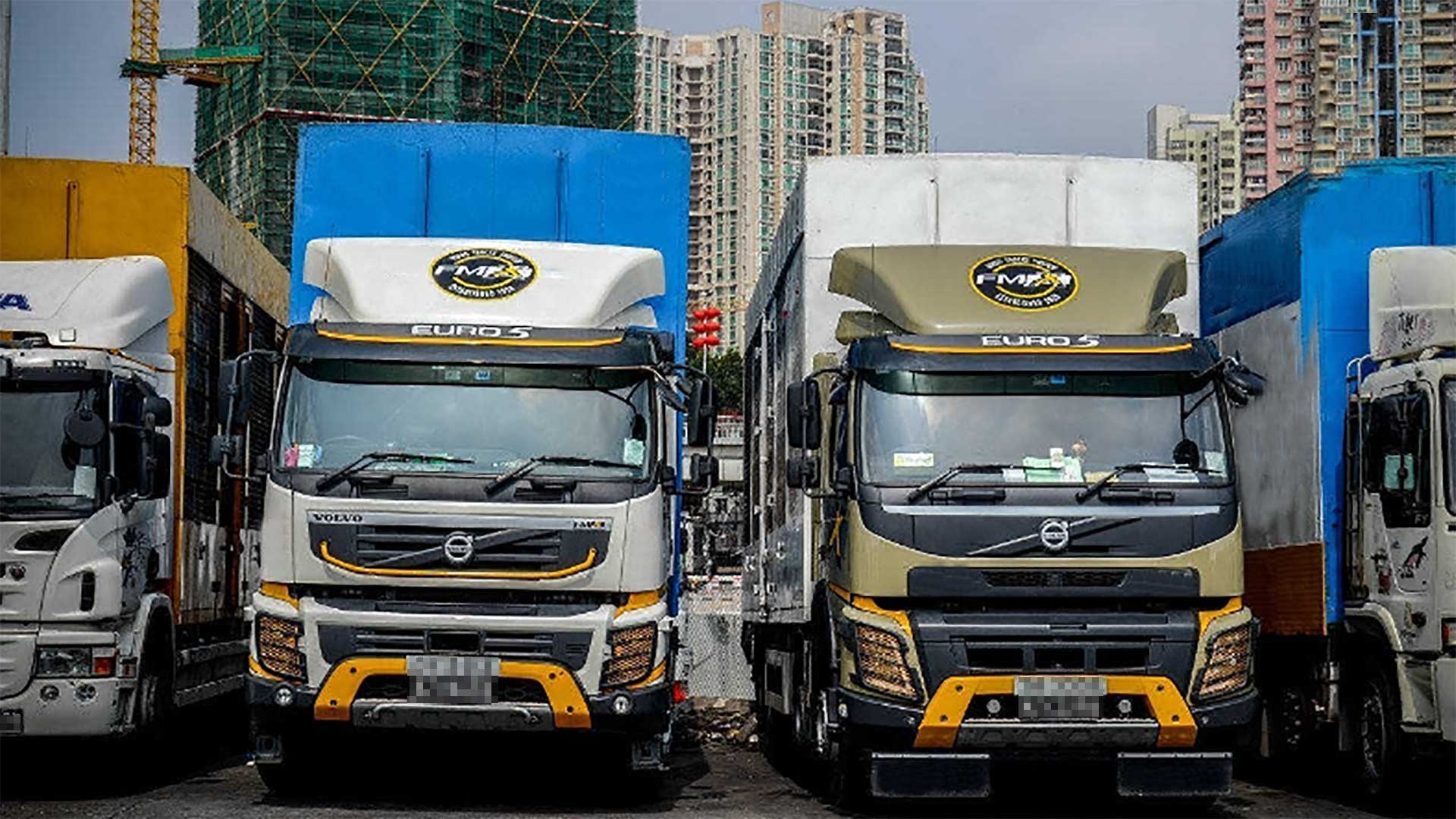
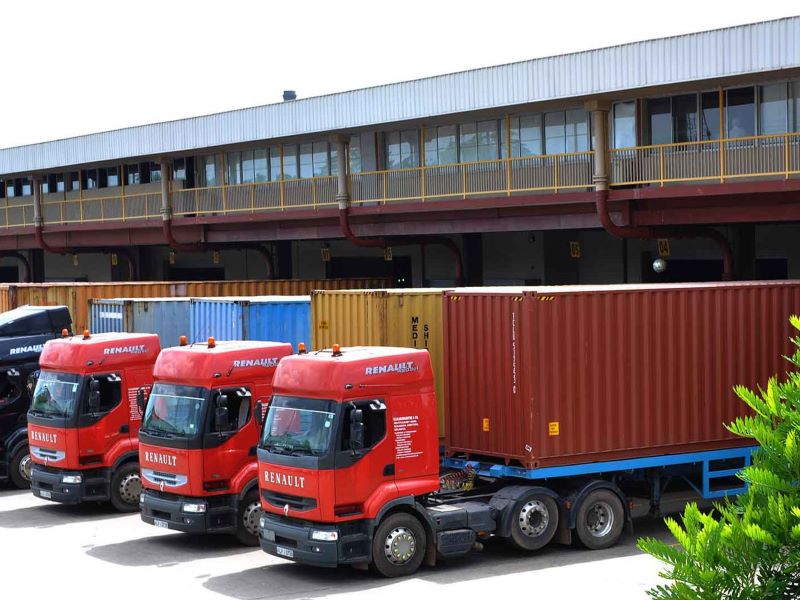
- China-Hong Kong full truckload/consolidated truck arrangement: During peak season when volume is sufficient, arrange China-Hong Kong full truckload direct to Hong Kong; when volume is scattered, use high-frequency consolidated truck shipments. Schedule departures backward from Hong Kong terminal vessel schedules or flight times, reserve a buffer for port customs clearance, choose ports with stable customs clearance times and use advance declaration, and minimize customs clearance time. For the service scope and operating instructions of China-Hong Kong logistics, please refer to China-Hong Kong logistics dedicated line service;
- Hong Kong-side warehousing and distribution coordination: Unified scheduling with Hong Kong warehouses, terminals, and booking nodes—after cargo arrives at port, according to actual needs for warehousing, consolidation, or Hong Kong air/sea export, lock in pickup, consolidation, and booking nodes and time windows in advance to avoid detention and extra costs; for transshipment cargo arriving at port, verify destination country customs clearance requirements in advance to reduce secondary risks at the overseas end. For cooperation models for China-Hong Kong logistics, please refer to What is China-Hong Kong logistics;
- Peak-season capacity and contingency plans: Before the lighting peak season, lock in China-Hong Kong vehicles and Hong Kong-leg cargo space in advance, and prioritize when volume is concentrated; in case of heavy rain, typhoons, or sudden delays, coordinate the next truck/vessel/flight in advance and synchronize adjustments with customers to minimize delivery schedule risk.
Taking a typical large order after the Spring Canton Fair as an example, the operational rhythm is roughly as follows: one week before shipment, split item numbers according to the order and complete declaration pre-review and packaging specification confirmation; early in the morning on shipment day, load trucks in Guzhen, Zhongshan, using a constant-weight stowage plan; the China-Hong Kong full truck departs the same day, and after customs clearance at the port, delivers directly to Hong Kong; after arrival at the port, pickup and warehousing are completed the same day or connected to consolidation/vessel schedules, and the cargo is shipped overseas as scheduled according to locked space windows. All time nodes throughout the process are locked in advance, with buffers reserved for customs clearance and ground operations.
The core of the solution is to "work backward from Hong Kong shipment nodes for everything": from the Hong Kong terminal's vessel departure/customs cut-off time or flight cargo cut-off time, work backward to determine the latest departure, customs clearance, and port entry times for each segment. Each link is executed according to the nodes, closely interlinked, keeping the in-transit time and damage risk of lighting products to a minimum.
Results
| Metric | Before cooperation (direct/transshipment via domestic ports) | After cooperation (intermodal transport via Hong Kong) | Improvement |
|---|---|---|---|
| China–Hong Kong leg arrival time | Baseline | Shortened by about 30% | More stable shipment connections |
| Damage rate on arrival for lighting fixtures | Baseline | Down by about 45% | Improved packaging + stowage |
| First-time customs declaration pass rate | Multiple supplementary documents required | Significantly improved | Advance declaration |
| Peak-season shipping space guarantee | Required last-minute scrambling | Locked in in advance | More reliable delivery times |
Data statement: The above are data from this case (as of July 2026), reflecting the customer's individual performance during the cooperation period and do not constitute a service commitment.
After cooperation, the customer's lighting fixtures from Guzhen, Zhongshan, to Hong Kong for shipment saw significantly reduced transit time, a marked drop in the damage rate on arrival, and noticeably higher evaluations from overseas customers regarding arrival condition and delivery times. The value of exporting via Hong Kong lies in "trading the Hong Kong hub's route and sailing density for time and stability": more choices and broader coverage for international flights and ocean sailing schedules, relatively easier locking of peak-season shipping space, and greatly enhanced order reachability. From a cost perspective, the extra China–Hong Kong leg transport cost buys lower damage, more stable delivery times, and a higher overseas fulfillment rate, making the overall return considerable. For bulky, fragile, peak-season-concentrated cargo such as lighting fixtures, the key to a via-Hong Kong solution is segment-by-segment reverse scheduling, seamless connections, and professional stowage; loss of control at any link directly affects cargo damage and delivery times. This combination of "shockproof and moisture-proof packaging + engineering vehicle stowage + advance declaration + Hong Kong-side warehousing and distribution coordination" is suitable for exporting various fragile large items via Hong Kong, such as lamps, ceramics, sanitary ware, and glass products. For lighting fixture exporters, choosing Hong Kong transshipment is not a detour; rather, it uses a controllable China–Hong Kong transport leg in exchange for denser international export channels and more reliable peak-season shipping space, winning timeliness and intactness across the overall supply chain. This type of intermodal business places extremely high demands on timeliness, stowage, and port handling capabilities. The service provider's responsiveness and Hong Kong-side resources directly determine success or failure, which is also why the customer ultimately chose a professional China–Hong Kong logistics partner. Whether during peak-season stockpiling or routine shipments, the customer can maintain a stable shipping rhythm with the same approach.
The cooperation between both parties has entered its second year. The above is a case record of more than 60 batches of lighting fixtures shipped via Hong Kong over the past 12 months.
Client Testimonial
“For lighting products, the worst fears are breakage in transit and missing the vessel during peak season. Now Bofeng has everything arranged from packaging and loading to Hong Kong warehousing and distribution, so breakage is lower and delivery times are stable. Overseas customers receive goods with higher intact and on-time rates than before, and we no longer have to scramble for peak-season shipping space at the last minute.”
— Bofeng Logistics · Hong Kong Logistics Dedicated Line customer feedback (published with authorization and de-identified)
Need a similar logistics solution? Contact us — a plan within 30 minutes.
Phone:13075678958 | WhatsApp:+86 13075678958 | Email:info@zhbfwl.com
Get a Quote