Client Background
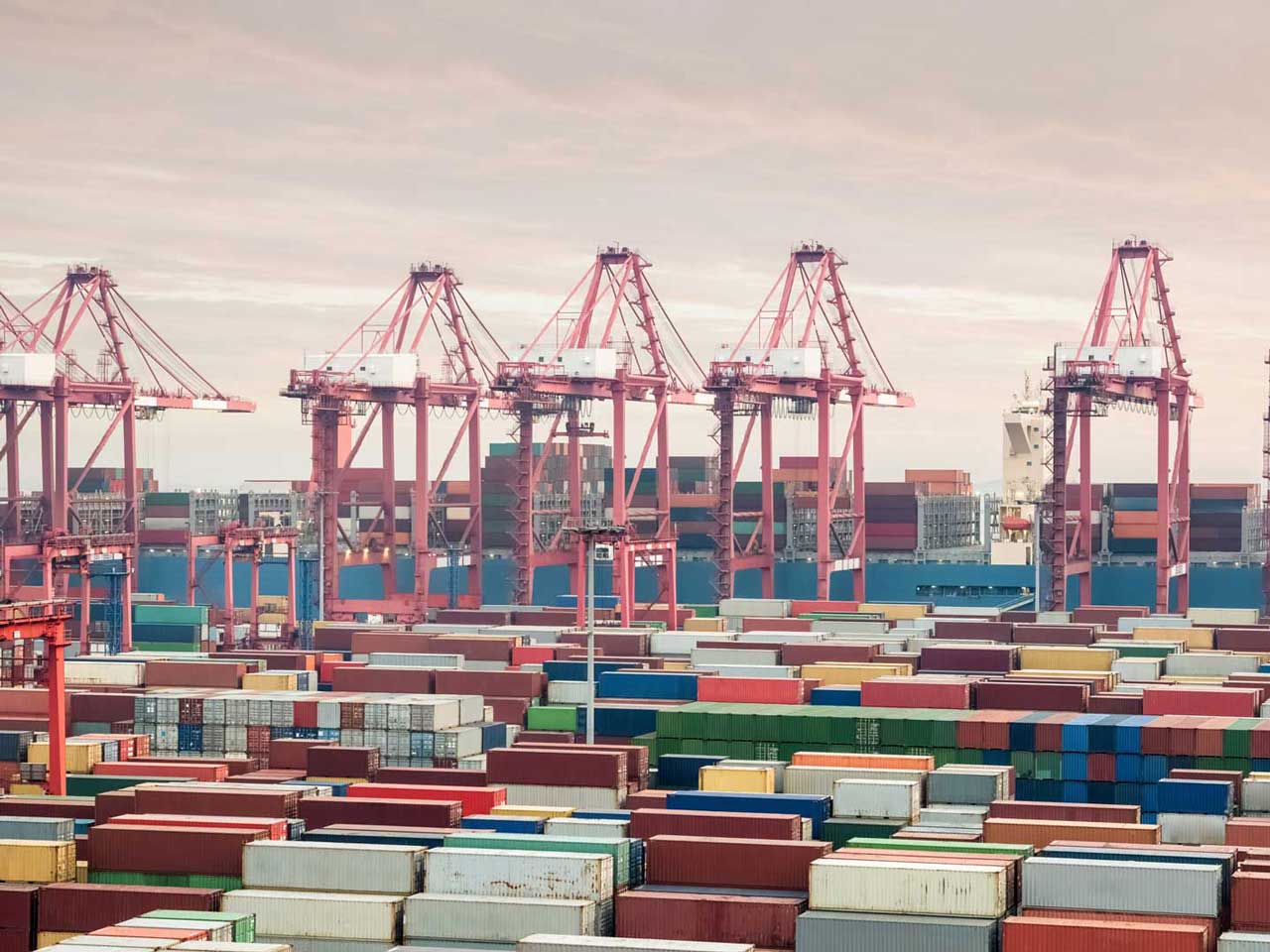
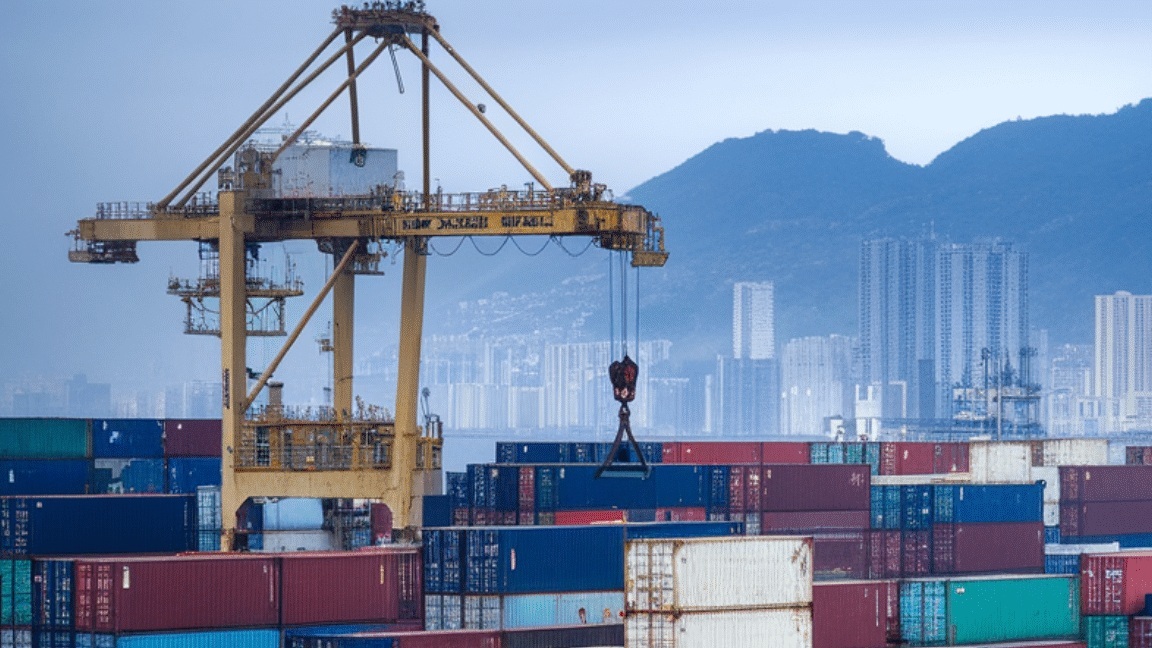
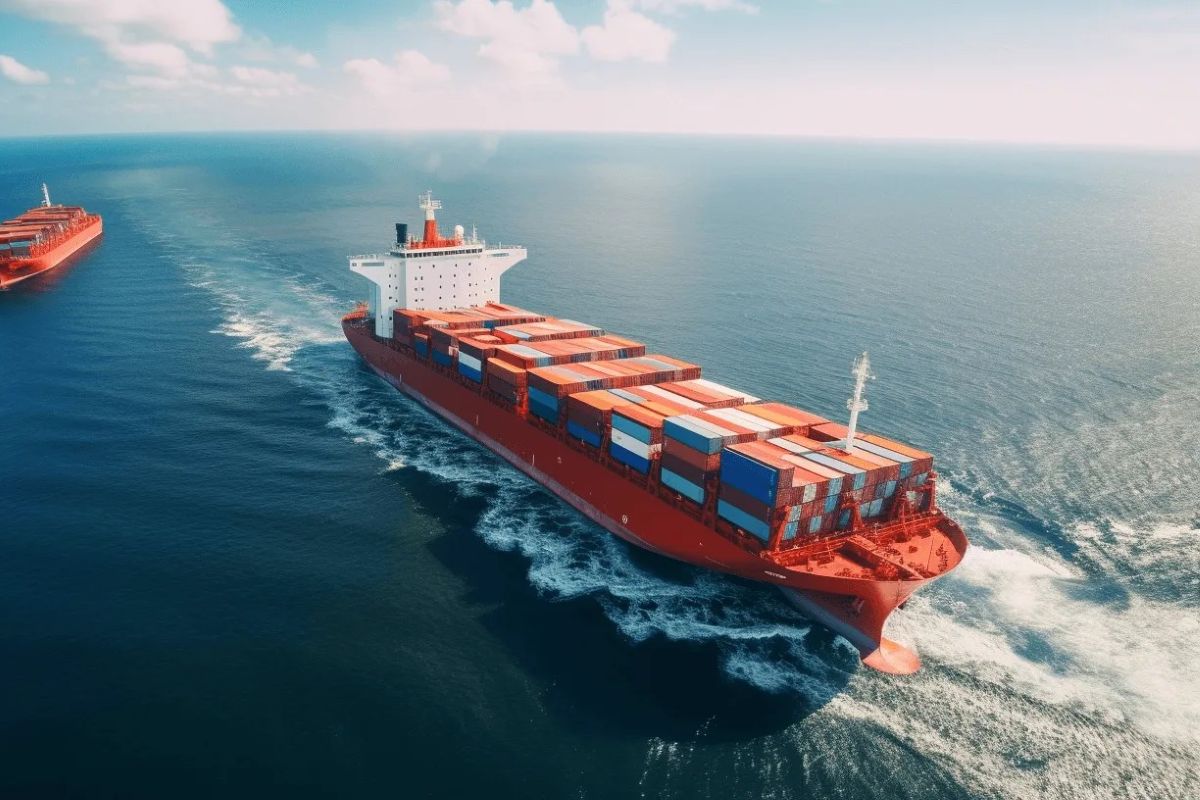
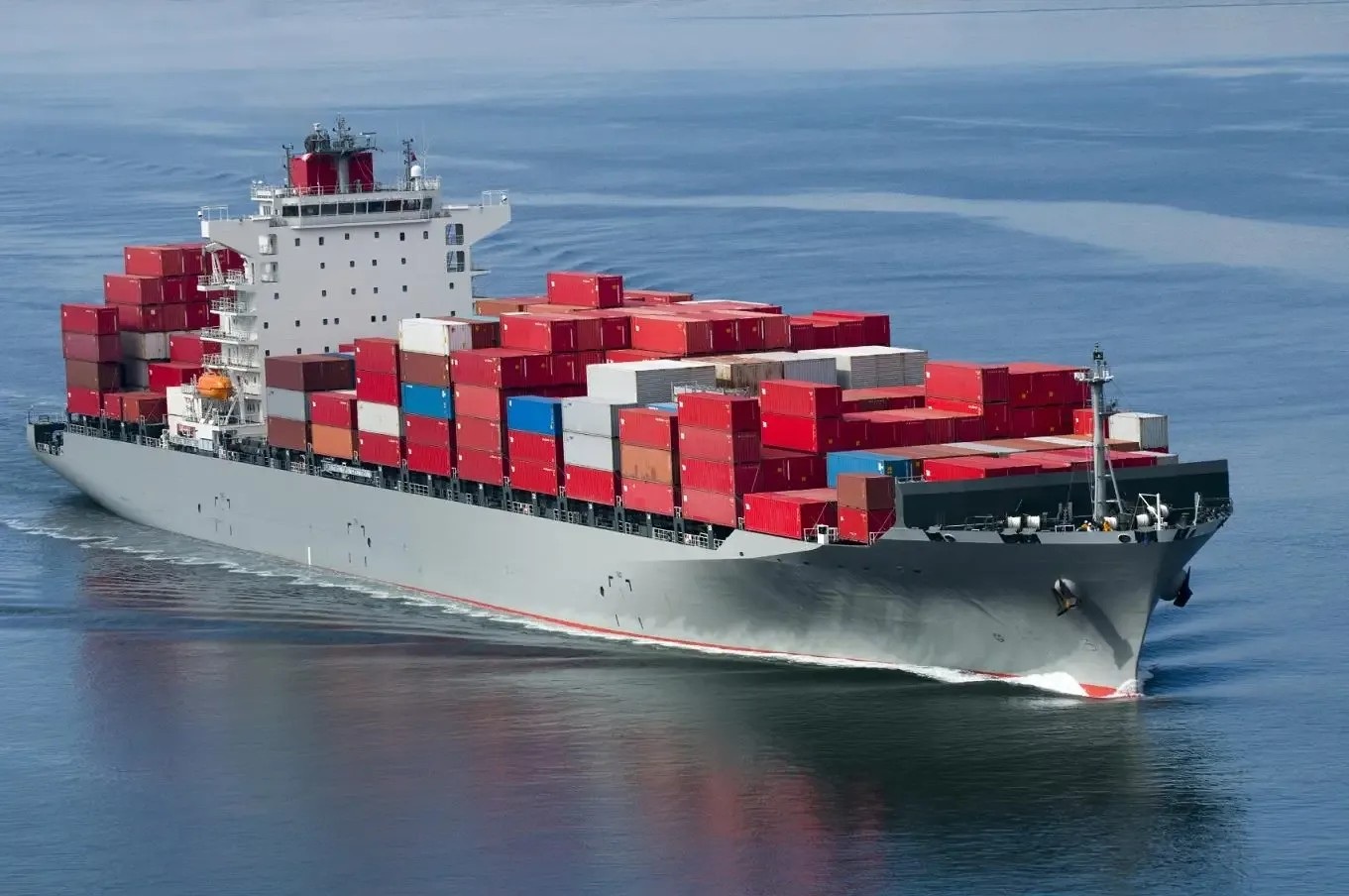
A furniture manufacturing enterprise in Shenzhen, specializing in panel and upholstered furniture, with a strategic focus on the South American market. Brazil is its largest destination country, and the main port of destination is Santos Port. In recent years, import demand in the South American market has grown significantly, but the ocean shipping route between China and South America is extremely long—the journey from Shenzhen to Santos, Brazil, typically takes more than 30 days, making it a typical ultra-long-haul route.
Ultra-long-haul routes bring two types of management challenges: first, freight rate management is difficult—rates on the South American route fluctuate considerably due to seasonal demand and shipping companies' capacity adjustments, making costs hard to budget; second, end-to-end transit time management is difficult—the voyage itself is long, and when combined with container loading, customs declaration, port arrival, customs clearance, and delivery, the entire span is extensive. Any delay at any stage gets amplified, making arrival times at the warehouse hard to predict. Previously, the client managed this on their own—transit time and cost data for each shipment were recorded in a scattered manner with no comparative analysis, so the same problems kept recurring without a clear picture of where the bottlenecks were.
The client decided to engage a professional service provider, not just to "get the goods shipped out," but to establish a quantifiable management mechanism for ultra-long-haul routes: the transit time, cost, and on-time performance of every shipment are recorded and regularly compared, using data to identify areas for improvement. This is the core demand of a metric-based partnership.
Key Challenges
Challenges under the old model centered on four aspects:
- Freight rates fluctuate widely, making costs hard to budget: Rates on South America routes rise and fall with the market; previously, with per-batch inquiries and bookings, rates rose noticeably during peak season, leaving no leverage for cost control;
- End-to-end transit time is unstable: The voyage itself is long, compounded by loose operations and customs clearance queues, so the time for each batch to arrive at the warehouse ranged from 35 to 50 days, preventing downstream customers from receiving goods as expected;
- Data is fragmented and cannot be compared: The milestone times and costs of each batch are scattered across different documents, with no unified cycle comparison, making improvement impossible;
- Weak coordination between destination port clearance and delivery: The Port of Santos involves many clearance steps; previously, after arrival, there was passive waiting, making delivery time uncontrollable.
Among these challenges, freight rate fluctuations and end-to-end transit time are the two that customers care about most—on ultra-long routes, the “unpredictability” of cost and transit time is a heavier burden than the freight rate itself.
Transport Requirements
- Route: Shenzhen → Santos Port, Brazil, FCL ocean freight, door-to-door (delivery after arrival customs clearance);
- Volume: 3-4 40HQ containers per month, gradually increasing with the growth of South American orders;
- Lead Time: 30-45 days to port after container loading, delivery completed within 3-5 days after arrival customs clearance;
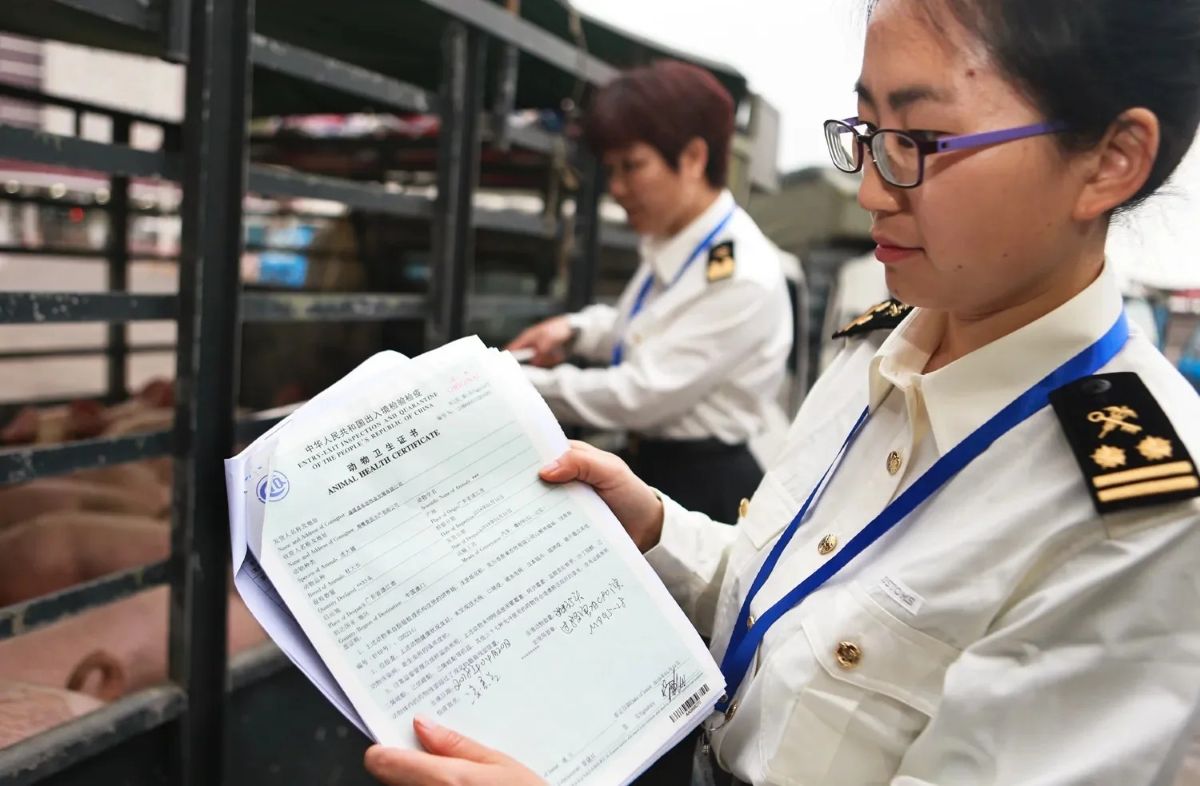
- Customs Declaration: General trade declaration, compliant declaration of furniture product name/material/use, with documents pre-reviewed in advance;
- Special Requirements: Establish node data records for each shipment (container loading/sailing/arrival/customs clearance/delivery); output quarterly lead time and cost comparisons; coordinate customs clearance and delivery at the destination port Santos;
- Settlement and Insurance: Settlement per container with clear billing; transport insurance covers the ocean leg and the destination delivery leg.
The customer's core demand is "predictability": use periodic data to manage the cost and lead time of the ultra-long route, making every shipment's performance verifiable, comparable, and improvable.
Solution
Bo Feng customizes an ultra-long route solution for clients: "Freight Rate Management + Full-Process Data Tracking + Node Comparison Optimization + Destination Port Coordination":
- Ultra-long route freight rate management: Sign annual contracts with shipping lines for South American routes to lock in baseline freight rate ranges; adjust booking strategies quarterly based on market conditions, prioritize contracted space during peak seasons, and flexibly compare rates in off-seasons, transforming the passive mode of per-batch inquiries into an active mode of "annual contracts as a base + quarterly adjustments," significantly narrowing freight rate fluctuations;
- Full-process node data tracking: For each batch of cargo, from booking, container loading, departure, arrival, customs clearance to delivery, record actual times and operational exceptions at each node, uniformly enter them into a project management table, forming a continuous sequence of batch data;
- Quarterly data comparison and optimization: Each quarter, conduct horizontal comparisons of lead times and costs across consecutive batches to identify bottlenecks—for example, if a batch is found to have unusually long customs clearance queues in Santos, proactively conduct document pre-review; if peak-season booking rates are high, lock space in advance the following quarter, using data-driven continuous improvement;
- Destination port customs clearance and delivery coordination: Establish fixed partnerships with local customs brokers and delivery fleets in Santos to enable rapid clearance and scheduled delivery upon arrival, reducing time variability at the destination port stage;
- Full-process visibility: System-synchronized status at each node allows clients to check cargo location and estimated warehouse arrival time at any time. For more complete voyage and service details on this route, please refer to the China-Brazil International Ocean Shipping Logistics Line and the Direct Vessel vs. Transshipment Vessel Route Selection Guide.
The hallmark of this solution is transforming ultra-long routes from "leaving each batch to chance" into "managing by data": annual contracts and quarterly adjustments stabilize freight rates, node records and quarterly comparisons expose problems and drive improvements, and destination port coordination compresses tail-end time. For clients, ultra-long routes become, for the first time, "data-driven and reliable."
Results
Comparison of milestone data over four consecutive quarters (about 10-12 40HQ containers per quarter):
| Metric | Quarter 1 | Quarter 2 | Quarter 3 | Quarter 4 | Improvement |
|---|---|---|---|---|---|
| Average total transit time | Baseline | Reduced by 12% | Reduced by 20% | Reduced to 35 days | Steady compression |
| Shipping cost per container | Baseline | Reduced by 6% | Reduced by 9% | Reduced by 11% | Long-term agreement + adjustment |
| Freight rate fluctuation range | Baseline | Narrowed by 35% | Narrowed by 45% | Narrowed by 50% | Quarterly strategy |
| Port arrival punctuality rate | 72% | 81% | 88% | 93% | Continuous improvement |
| Customs clearance delayed batches | Baseline | Halved | Halved | Basically eliminated | Document pre-review |
Data statement: The above is the data for this case (data as of July 2026, based on statistics from four consecutive quarters with about 10-12 40HQ shipment batches per quarter), reflecting the performance of this specific case during the cooperation period with this customer and does not constitute a service commitment; this case is a desensitized adaptation based on actual carrier experience, and customer information has been withheld as authorized.
The data comparison across the four quarters clearly shows two trends: the transit time curve declined quarter by quarter and finally stabilized at around 35 days; cost and freight rate fluctuations narrowed each quarter, with no significant spikes during peak seasons. The data also exposed and resolved a specific bottleneck—customs clearance queuing at Santos had been a common delay point for multiple shipments. After implementing advance document pre-review, the number of customs clearance delayed batches was halved quarter by quarter. For the customer, the ultra-long route changed from “no clear idea of when goods will arrive or how much they will cost” to “comparable every quarter and recorded for every batch,” giving management a basis for budgeting and production scheduling.
The value of this solution lies not in a single shipment being fast, but in using data to compress the “uncertainty” of ultra-long routes quarter by quarter. For export companies that also operate ultra-long routes to South America, Africa, etc., and suffer from freight rate fluctuations and unstable transit times, this combination of “long-term agreement management + milestone data tracking + quarterly comparison” is worth referencing. This solution is suitable for export companies with ultra-long routes and needs for continuous batch shipping and data management; for occasional single-batch shipments, the standard full-container solution is sufficient.
The two parties' cooperation has entered its second year, and the above data are the shipment records of this specific case over four consecutive quarters.
Client Testimonial
"We used to feel uncertain about the South America route — freight rates fluctuated wildly and arrival times were unpredictable. Now, as soon as the quarterly data comes out, we can see clearly which routes are fast, which are slow, and how costs are changing. We use this data for production planning and budgeting, and we also feel more confident when communicating with Brazilian customers."
— Bofeng Logistics · International Sea Freight Customer Feedback (published with authorization and anonymized)
Need a similar logistics solution? Contact us — a plan within 30 minutes.
Phone:13075678958 | WhatsApp:+86 13075678958 | Email:info@zhbfwl.com
Get a Quote