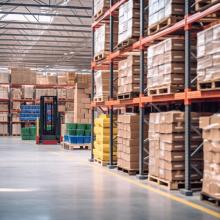
Cross-border e-commerce knowledge forms the foundation for sellers expanding into global markets, encompassing core elements such as overseas warehousing, international logistics, tariff policies, and market access. Common logistics models include direct mail, overseas warehouses, and bonded warehouses, each suited for different sales stages and product types. Key terminology includes: SKU management, first-mile transportation, last-mile delivery, VAT registration numbers, and cross-border payment collection. Cost structures typically encompass platform commissions, logistics expenses, customs duties/VAT, and marketing expenditures. Special attention must be paid to product certification requirements in target markets, such as EU CE certification and US FDA approval. Consumer preferences and shopping habits also vary distinctly across different countries.
Our company specializes in cross-border e-commerce logistics services. Partnering with us for cross-border e-commerce logistics will optimize your e-commerce logistics management.