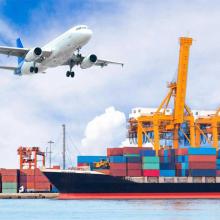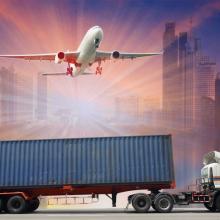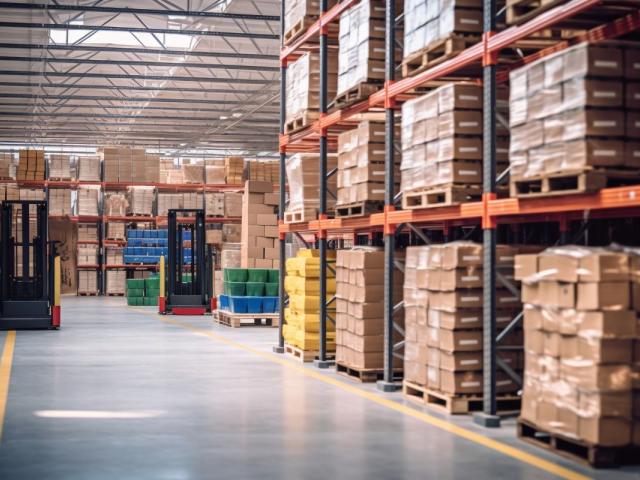
Choosing the mode of transportation is the most critical step in foreign trade logistics decisions—it directly impacts logistics costs, delivery timeliness, and customer experience. Sea freight, air freight, international express, and rail freight each have their own advantages and disadvantages, suitable for different types of goods and demand scenarios.
I. Overview Comparison of Four Transport Modes
| Mode of Transport | Time Reference | Cost Level | Suitable Goods | Suitable Scenarios |
|---|---|---|---|---|
| Sea Freight | 15-35 days | Low ($0.1-0.5/kg) | Bulk goods, heavy goods, large items | Most B2B foreign trade |
| Air Freight | 3-7 days | High ($3-8/kg) | High-value, time-sensitive, light and small items | Urgent orders, high-profit products |
| International Express | 3-10 days | High ($5-15/kg) | Small parcels, documents, samples | Samples, e-commerce small packets |
| Rail Freight | 12-20 days | Medium (between sea and air freight) | Bulk goods to inland Asia-Europe | China → Central Asia/European inland |
II. Sea Freight in Detail
Sea freight is the primary mode of international transport, with over 80% of global trade volume carried by sea.
📌 Data Source: UNCTAD Global Seafarer Review 2024
Advantages of Sea Freight
| Advantages | Explanation |
|---|---|
| Lowest Cost | Freight rate per kg is 1/10 to 1/20 of air freight |
| Suitable for Any Goods | From home appliances to machinery, clothing to chemicals |
| Adequate Capacity | Not affected by routes or seasons |
| Can Transport Oversized Items | Standard container sizes suitable for large goods |
Disadvantages of Sea Freight
- Long transit time (15-35 days for ocean routes)
- Affected by weather and port congestion
- Requires customs clearance + delivery after arrival at port
Two Modes of Sea Freight
| Mode | Explanation | Suitable Scenario |
|---|---|---|
| Full Container Load (FCL) | One container carries only your goods | Shipment volume ≥ one container (20GP/40GP) |
| Less than Container Load (LCL) | Goods from multiple shippers consolidated into one container | Shipment volume less than one container |
III. Air Freight in Detail
Air freight is suitable for time-sensitive or high-value goods.
Advantages of Air Freight
| Advantages | Explanation |
|---|---|
| Fastest Transit Time | China to major global cities in 3-7 days |
| Safe and Reliable | Low loss rate, high flight punctuality |
| Suitable for High-Value Goods | Electronic products, precision instruments |
Disadvantages of Air Freight
- High cost: Freight rate per kg is much higher than sea freight
- Size and weight restrictions (oversized items cannot be air-freighted)
- Some dangerous goods cannot be transported by air
When to Choose Air Freight?
✅ High value goods (high unit price; freight cost percentage is small)
✅ Urgent delivery time (replenishment, samples, contract terms)
✅ Light and small items (small volume, light weight, controllable freight cost)
✅ Short product lifecycle (fashion, electronics)
IV. International Express in Detail
International express (DHL/UPS/FedEx/TNT) is mainly used for small parcels and document transport.
Characteristics of International Express
| Dimension | Explanation |
|---|---|
| Transit Time | 3-7 door-to-door |
| Billing Method | Based on the greater of actual weight and volumetric weight |
| Suitable For | Samples, documents, e-commerce small packets |
| Customs Clearance | Express companies assist with customs clearance (typically DDP door-to-door) |
Difference from Air Freight
| Difference | Air Freight | International Express |
|---|---|---|
| Operation Method | Collect cargo, then pallet air freight | Individual parcel delivery |
| Minimum Weight | Generally starts from 45kg | No minimum weight limit |
| Delivery | To airport (requires self-pickup or separate delivery arrangement) | Door-to-door (includes destination country delivery) |
| Documents | Air Waybill (AWB) | Express waybill |
V. Rail Freight in Detail
Rail freight mainly refers to China Railway Express—container rail transport from major Chinese cities to Central Asia and Europe.
Advantages of Rail Freight
| Advantages | Explanation |
|---|---|
| Transit time between sea and air freight | China → Europe approximately 12-20 days |
| Moderate cost | More expensive than sea freight, but much cheaper than air freight |
| Suitable for landlocked countries | Such as Central Asia, Eastern European landlocked countries |
Disadvantages of Rail Freight
- Affected by political and border factors (e.g., China Railway Express impact during the Russia-Ukraine conflict)
- Limited network coverage (mainly covering Central Asia and European routes)
- Some sensitive goods cannot be transported by rail
VI. Transport Mode Decision Tree
How fast do the goods need to arrive?
│
├── **Urgent (3-7 days)** → Are the goods light and small?
│                         ├── Yes → Air Freight / International Express
│                         └── No → Air Freight (high cost for heavy items at high risk
│
├── **Moderate Transit Time (12-20 days)** → What is the destination?
│                           ├── Europe / Central Asia → Rail Freight
│                           └── Other → Sea Freight (Express service value-add)
│
└── **Not Urgent (20-35 days)** → ★ Sea Freight (most economical)
                          ├── Full container load → FCL
                          └── Less than container load → LCL
VII. Comprehensive Selection Suggestions
| Cargo Type | Recommended Transport Mode | Reason |
|---|---|---|
| Bulk B2B Exports (Furniture/Machinery/Building Materials) | Sea Freight | Lowest cost; heavier weight increases advantage |
| High-Value Electronics | Air Freight | Fast speed, low inventory cost |
| Samples/Documents | International Express | Convenient, door-to-door option |
| Cross-border E-commerce Small Packages | Express/Air Freight | High timeliness requirement, small quantities |
| Central Asia / European Continental Countries | Rail Freight | Faster than sea, cheaper than air |
| Heavy cargo but urgent delivery time | Air Freight | Despite higher cost, reliable transit time |
In international trade, sea freight is the mainstream transport mode—approximately 90% of B2B foreign trade goods are shipped by sea. If your customer has no special requirements, sea freight is usually the choice that balances cost and reliability.
Practical Experience: Do not make decisions based solely on freight unit price—for high-value goods, the savings from sea freight may not outweigh the interest cost of holding inventory for an extra month. It is recommended to factor in capital occupancy costs when calculating "total logistics cost."
💡 Need transport scheme suggestions? Bofeng Logistics offers one-stop services for full container load/ship consolidation, trucking, customs declaration, and insurance. Contact Bifeng for full-chain quotes.
📞 Logistics Consultation: 13075678958 | info@123bfwl99.com
Related Logistics Services
Bofeng Logistics offers the following related services, feel free to inquire: