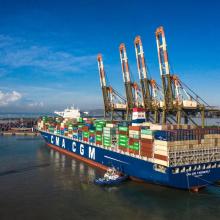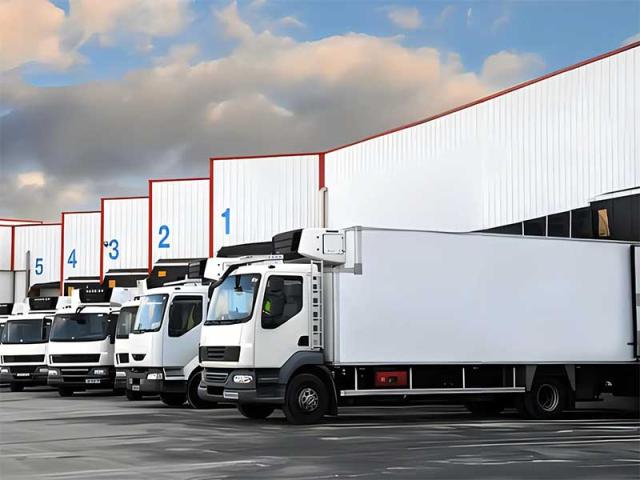
1. What is cold chain logistics?
Cold chain logistics refers to a systematic project in which refrigerated and frozen goods are kept in a specified low-temperature environment throughout all stages from production, processing, storage, transportation, distribution, to sales and consumption, so as to ensure the quality of goods and reduce loss.
Cold chain logistics is built on the foundation of freezing technology, using refrigeration technology as its means. Its core requirement is just one—end-to-end temperature control: a temperature deviation at any point can render the entire supply chain futile. Therefore, cold chain logistics demands higher and more complex standards than ordinary ambient-temperature logistics, requires greater construction investment, and calls for stronger organizational coordination and energy management capabilities.
2. The Six Major Links of Cold Chain Logistics
A complete cold chain is made up of the following links connected in series; if any link is "broken," the quality of the goods will be damaged:
- Source treatment: Pre-cooling, grading, and packaging after harvest/production (pre-cooling is a key step in determining shelf life);
- Low-temperature storage: Entering cold storage or low-temperature warehouse for storage;
- Cold chain transport: Refrigerated trucks and refrigerated containers for trunk/branch transport at low temperatures;
- Transfer and distribution: Short-term temporary storage and sorting at cold chain transfer stations and distribution centers;
- Last-mile delivery: Refrigerated trucks deliver goods to supermarkets, stores, or end consumers;
- Sales storage: Supermarket freezers and display cabinets maintain low temperatures until sold.
Temperature Control Key Points for Each Process
- Pre-cooling: Lower to target temperature as soon as possible after receipt to reduce field heat/processing heat;
- Loading/Unloading: Keep loading and unloading operations as short as possible to reduce temperature rise;
- In Transit: Maintain continuous cooling and record temperatures during transport to prevent refrigeration unit failure;
- Handover: Check the temperature recording sheet at handover to confirm the cold chain was never broken.
3. Temperature Zone Classification of Cold Chain
Different goods require different low-temperature ranges. The cold chain is roughly divided into four categories according to temperature zones:
| Temperature Zone | Temperature Range | Typical Cargo |
|---|---|---|
| Cryogenic | Below -18°C | Frozen meat, seafood, quick-frozen food, ice cream |
| Frozen | -18°C to 0°C | Frozen food, some biological products |
| Refrigerated | 0°C to 8°C | Fresh meat, dairy products, vegetables and fruits, pharmaceuticals |
| Constant Temperature / Room Temperature | 8°C to 25°C | Some pharmaceuticals, chocolate, precision electronic components |
Key insight: Different cargoes have vastly different temperature sensitivities. Fresh fruits are mostly refrigerated at 0-8°C, frozen seafood requires below -18°C, and some biological reagents require -70°C or even lower, so deep-cold transport solutions must be used.
Note: The temperature zones in the above table are common classifications in the cold chain industry. Specific temperature control requirements are subject to the nature of the goods, customer requirements, and the agreed transportation plan.
4. Main Equipment of Cold Chain Logistics
- Refrigerated truck: a dedicated transport vehicle with a refrigeration unit, adapted to different cargoes based on cooling capacity and temperature range;
- Refrigerated container (reefer): maritime/rail refrigerated container, e.g., 40RH (40-foot high cube reefer), with settable and recordable internal temperature for long-distance temperature-controlled ocean transport;
- Cold storage warehouse: classified by temperature range into freezer, cold storage, controlled atmosphere storage, etc., used for transit and storage;
- Temperature-controlled packaging: insulated boxes, ice packs, dry ice, phase change materials, etc., used for small-batch and last-mile delivery;
- Temperature recording and monitoring equipment: temperature data loggers, GPS + temperature-controlled IoT terminals, enabling full-process data traceability.
5. Applicable Cargo Types for Cold Chain Logistics
Cold chain logistics mainly serves three major areas:
1. Food Cold Chain
- Primary agricultural products: vegetables, fruits, meat, poultry, eggs, aquatic products, flowers;
- Processed foods: frozen foods, packaged cooked poultry, meat and aquatic products, ice cream, dairy products, fast food ingredients.
2. Pharmaceutical Cold Chain
- Drugs: biological products such as vaccines and insulin, and blood products;
3. Other temperature-controlled goods
- Chemicals: temperature-sensitive chemicals and coatings;
- Precision electronics: some high-precision electronic components require constant-temperature transport.
6. Cold Chain Shipping: Refrigerated Container Transport
For cross-border and cross-sea cold chain cargo, refrigerated containers are the most important mode of transportation:
- Common container types: mainly 40RH refrigerated high cube, with a small amount of 20RH;
- Temperature control mechanism: the reefer container has its own refrigeration unit, the internal temperature can be set, and continuous refrigeration is maintained throughout the voyage;
- Power connection: reefer containers must have a power supply (plug-in) when stacked or transshipped at ports; the loading/unloading handover is a key risk point in cold chain shipping;
- Applicable to: import and export trade of frozen meat, aquatic products, and fruits.
When choosing cold chain ocean shipping, you should ensure that the power supply and temperature control are properly connected throughout the entire chain: every stage—container loading at the origin port, port storage, sea transport, unloading at the destination port, and truck transfer—must have temperature control protection to achieve an "unbroken cold chain.
7. Technical Requirements and Temperature Recording for Cold Chain
The core of modern cold chain is visualization and traceability:
- Full-process temperature recording: Temperature data is recorded segment by segment from loading to delivery, forming temperature record sheets or electronic temperature control logs;
- Abnormal alarms: The system automatically alerts when temperature exceeds limits, enabling timely intervention;
- Compliance documentation: Some industries (pharmaceuticals, exported food) require temperature control records to meet regulatory and customer audits;
- Facility certification: Cold storage and cold chain transportation companies usually hold relevant quality management system certifications (such as ISO, GSP, HACCP, etc.).
8. Key Risks and Prevention of Cold Chain
The links in the cold chain most prone to "chain breakage" are often not during transportation, but at the transfer points. Common risk points and prevention measures are as follows:
| Risk Points | Prevention Points |
|---|---|
| Excessive loading/unloading waiting time | Book loading/unloading windows in advance, shorten operation time, and reduce temperature rise |
| Refrigeration unit failure | Before loading, check the unit, temperature settings, and container condition; monitor temperature alarms en route |
| Power outage during port stacking | Ensure reefer container power connections; guarantee power supply during loading, unloading, and transshipment |
| Handover gaps | At handover, check the temperature record and confirm the cold chain was unbroken before signing |
| Temperature loss in temporary storage | For temporary storage, choose a cold storage facility with temperature control and avoid long outdoor waits |
The key to cold chain management is not about doing one segment perfectly, but about keeping every handoff unbroken. Planning temperature control and handover arrangements for each stage in advance is the best way to ensure goods are delivered in good condition.
9. Common Questions
Q1: Is cold chain necessarily much more expensive than normal temperature? A: Cold chain requires specialized equipment, energy, and temperature control management, so costs are usually higher than normal-temperature transport, but the specific margin varies by cargo type, distance, and temperature control requirements, and should be based on the actual quotation.
Q2: Are freezing and refrigeration the same thing? A: No. Freezing generally refers to deep low temperatures below -18°C (e.g., frozen meat, ice cream), while refrigeration refers to low temperatures of 0-8°C (e.g., fresh milk, fruits and vegetables). The two have different equipment and solutions.
Q3: What should be noted when shipping cold chain cargo by sea? A: The key is to maintain an unbroken cold chain throughout: confirm reefer power supply connections, set temperatures, loading/unloading duration, and coordination of trailers and cold storage after arrival, and keep complete temperature records.
Further Reading
- Complete Guide to Domestic Sea Freight Containers (Including Reefer Container Types)
- Full Export Sea Freight Process
Bofeng Logistics specializes in domestic container shipping, international shipping (FCL/LCL), and temperature-controlled cargo transport services, and can assist in arranging refrigerated container shipping solutions. For cold chain transportation needs, please call 130-7567-8958 (Manager Huang) or leave a message online.
Related Logistics Services
Bofeng Logistics offers the following related services, feel free to inquire: