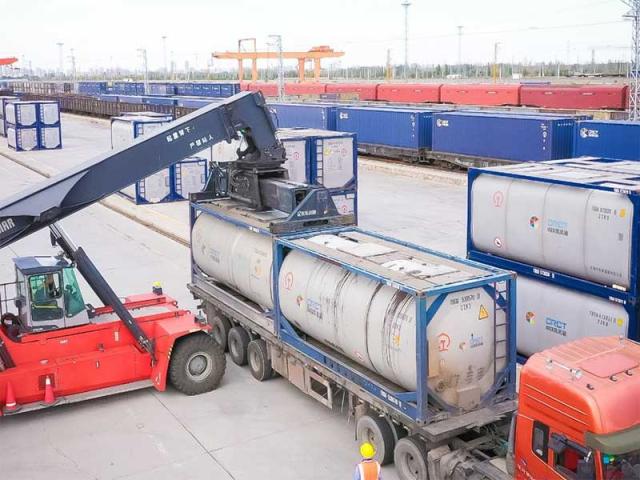
Loading Methods for Drum Cargo in Container Shipping
Drum cargo generally refers to goods in the form of liquids, powders, or solid particles packed in drums. During sea transportation, special attention must be paid to preventing leakage and damage, and ensuring transport safety. This article introduces the loading methods for drum cargo in container shipping to ensure that the goods arrive safely and efficiently at their destination.
1. Preparation Work
- Cargo Inspection: Thoroughly inspect each drum before loading to ensure the seals are intact and there are no signs of leakage. For liquid cargo, also confirm its chemical stability to avoid reactions caused by mixing goods of different chemical properties.
- Classification and Marking: Classify, mark, and label dangerous goods correctly in accordance with International Maritime Organization (IMO) regulations; non-dangerous goods also need to be clearly identified with their nature and handling requirements.
- Choosing the Appropriate Container: Select specialized or ordinary dry cargo containers based on the cargo characteristics. Hazardous liquid cargo may require tank containers or be equipped with dedicated leak-proof trays.
2. Loading Techniques
- Evenly distribute weight: Place drums evenly distributed by weight throughout the container to avoid localized overloading from concentrated stacking, preventing damage to the container structure or tilting during transport.
- Stable stacking: Use interlocking or pyramid stacking to increase stability, ensuring each layer of drums is tightly arranged and movement space is reduced; straps or wooden wedges can be used for securing.
- Use partitions and padding: Place anti-slip mats, wooden boards, or professional partitions between drums and between drums and container walls to reduce friction and collision between cargo, protecting drums from crushing damage.
- Top reinforcement: Cover the top layer with anti-slip netting or lashing straps to prevent cargo shifting due to transport vibration.
- Leave ventilation space: For drums that may release gases (such as certain chemicals), leave appropriate ventilation gaps to avoid gas accumulation causing safety issues.
3. Special Considerations
- Temperature Control: For temperature-sensitive drum cargo, consider using refrigerated or insulated containers, and monitor the temperature throughout the entire transport process.
- Leak Prevention Measures: Lay plastic film or oil-absorbent felt under goods that are prone to leakage, set up drip trays or use leak-proof pallets, so that any leakage can be quickly isolated and handled.
- Special Requirements for Dangerous Goods: Comply with the IMDG Code to ensure that dangerous goods in drums are loaded in accordance with all safety standards, including segregation requirements and emergency response measures.
4. Document Preparation
- Loading List: Record in detail the types, quantities, positions, weights, and dangerous goods information of the drums.
- Safety Declaration: When dangerous goods are involved, a dangerous goods declaration and safety data sheet (SDS/MSDS) must be prepared.
The loading requirements for drum-type cargo are meticulous and strict. Following proper loading methods not only ensures cargo safety but also effectively prevents transportation accidents. By comprehensively considering cargo characteristics, selecting appropriate containers, adopting scientific stacking strategies, and taking necessary protective measures, safe and efficient transport of drum-type cargo can be achieved.
Further reading: Typical cargo loading for comparison with boxed cargo methods; Overlength cargo loading for oversized cargo; Liquid cargo loading covering container loading of liquid cargo.
Frequently Asked Questions (FAQ) for Drum and Barrel Loading
Q: How to prevent leakage of drum and barrel cargo?
A: Before loading, check each one for intact seals; dangerous goods must be classified and marked according to IMO regulations; lay plastic film or oil-absorbent felt under cargo that is prone to leakage, and set up drip trays; leave ventilation gaps for drums that may release gas.
Q: How to stack drum and barrel cargo for stability?
A: Use interlocking or pyramid stacking to increase stability, arrange each layer tightly to reduce movement space, and secure with straps or wooden wedges; cover the top layer with anti-slip netting or lashing belts to prevent shifting.
Bofeng Logistics provides professional domestic container shipping, international shipping (FCL/LCL), Hong Kong/Macau logistics dedicated lines, and one-stop logistics services including trucking, customs declaration, and warehousing. Contact phone: 130-7567-8958 (Manager Huang), call now for your exclusive quote!
Disclaimer: This article was compiled by the Bofeng Logistics team and verified as of August 2026. Cargo loading practices may change with the International Maritime Dangerous Goods Code (IMDG Code), carrier policies and industry standards; always refer to the carrier's current requirements for your container loading.
Related Logistics Services
Bofeng Logistics offers the following related services, feel free to inquire: