Loading Methods for Bulk Cargo in Container Shipping
Using bulk containers to transport bulk cargo can save labor, packaging costs, and loading/unloading fees, reduce labor intensity, and improve loading/unloading efficiency. It is an ideal mode of transportation. This article introduces the loading and unloading methods and precautions for bulk cargo in container shipping.
1. Selection of Bulk Containers
The bulk cargo transported in bulk containers mainly includes: grains such as malt, oats, and soybeans; granular and small-lump feed; powdered and granular chemicals; and other bulk industrial raw materials such as resin, aluminum dross, and clay.
Bulk cargo can also be transported in general cargo containers, but general cargo containers have lower strength and are suitable for lighter bulk cargo such as hay blocks and malt. Therefore, when selecting a container for transporting bulk cargo, it is necessary to understand the loading conditions such as cargo characteristics, cargo density, and container strength.
2. Loading and Unloading
Loading: The top of a bulk container generally has 2–3 loading ports. When loading, a silo or warehouse hopper can be used, or a crane with a bucket can be used for loading. When using a general cargo container to load bulk cargo, the container doors are usually opened, and a belt conveyor or a loader with a bucket is used to load the bulk cargo into the container; depending on the characteristics of the bulk cargo, a duct can also be used to blow the cargo into the container with air.
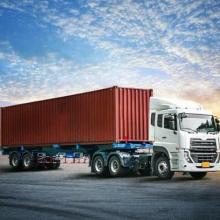
Unloading: Bulk containers generally use the method of tilting the container body to allow the bulk cargo to flow out by gravity. There are two common methods: one is to use the heavy lifting coupling device on the tractor head to lift one end of the chassis vehicle together with the container; the other is to use a special device on the chassis vehicle to raise and tilt the front end of the container. Currently, the common practice abroad is to use an automatic tilting chassis vehicle to carry bulk cargo, with a maximum tilting angle of approximately 40°.
3. Loading Precautions
- When transporting bulk chemicals, first determine whether they are dangerous goods.
- When selecting a container for bulk cargo, the handling equipment conditions at both the loading and unloading locations must be considered.
- For one-way bulk cargo transport, if the return trip carries other general cargo, it is generally necessary to line the container with a plastic bag to separate the bulk cargo from the container. The plastic bag has frame-shaped ends; when not in use, fold up the middle plastic film, and when in use, it can be easily pulled open like an accordion bellows.
- When transporting bulk goods such as grain and feed, attention should be paid to whether the goods require fumigation. Before loading, consult the importing country's animal and plant quarantine regulations. Goods requiring fumigation should be shipped in a container equipped with fumigation facilities.
- When loading grain and feed, to prevent damage from moisture, a shipping container with a ceiling liner board should be used.
- When loading powdery bulk cargo that is prone to dusting, measures should be taken to enclose the operation area.
Further reading: Typical cargo loading for comparison with packaged cargo; Overlength cargo loading for oversized cargo; Quarantine cargo loading covering animal and plant inspection cargo.
Bulk Cargo Loading FAQ
Q: How is a bulk container unloaded?
A: Generally, the container is tilted to allow the bulk cargo to flow out by gravity. A heavy-duty lifting coupling device on a tractor head can be used to raise one end, or a special device on a chassis truck can lift the front end; the maximum tilt angle of an automatic tilting chassis is about 40°.
Q: What should be noted when transporting grain bulk cargo?
A: Check whether fumigation is required. Before loading, consult the importing country's animal and plant quarantine regulations. For cargo requiring fumigation, choose a container with fumigation equipment; for moisture-proof cargo, choose a marine container with an inner liner on the roof.
Bofeng Logistics specializes in domestic container shipping, international shipping (FCL/LCL), Hong Kong/Macau logistics routes, and one-stop logistics services including trailer transport, customs clearance, and warehousing. Contact: 130-7567-8958 (Manager Huang), call now for a customized quote!
Disclaimer: This article was compiled by the Bofeng Logistics team and verified as of August 2026. Cargo loading practices may change with the International Maritime Dangerous Goods Code (IMDG Code), carrier policies and industry standards; always refer to the carrier's current requirements for your container loading.
Related Logistics Services
Bofeng Logistics offers the following related services, feel free to inquire: