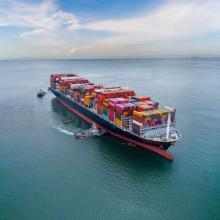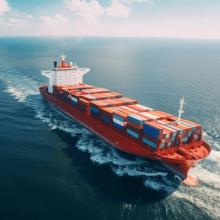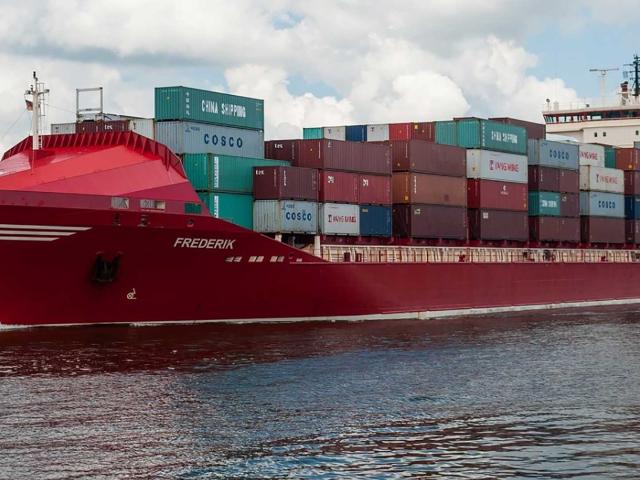
When your cargo is not enough to fill a full container (20GP), but you don't want to use air freight (too expensive), LCL (Less than Container Load) shipping is the most economical choice.
LCL means your goods share a container with other people's cargo, and each party bears the freight costs based on the volume or weight they occupy.
1. When to choose LCL?
| Cargo Situation | Recommended Shipping Method |
|---|---|
| 15CBM | ✅ LCL——Not enough for a full container, LCL is more economical |
| 15-25CBM | ⚠️ Compare LCL vs 20GP—if the cost gap is small, FCL is less hassle |
| >25CBM | ❌ FCL (20GP)——LCL costs may exceed FCL costs |
Typical cargo for LCL
- Small batch samples or trial orders (1-5CBM)
- Amazon FBA replenishment (small quantities)
- Aggregated B2C e-commerce orders
- Accessories, parts, etc., not suitable for FCL
- Multi-supplier consolidated exports
2. LCL cost calculation
Billing method
LCL freight is calculated based on the Revenue Ton (RT)——which is the greater of weight and volume:
LCL Ocean Freight = Rate (USD/RT) × MAX(Cargo Volume CBM, Cargo Weight in Tons)
3. LCL operation process
Delivery to warehouse → Consolidation → Export customs clearance → Loading onto vessel → Sea transport → Arrival and deconsolidation → Import customs clearance → Cargo release/pickup
| Step | Action | Timing | Notes |
|---|---|---|---|
| Delivery to Warehouse | Deliver to the freight forwarder's designated warehouse | 5-7 days before vessel departure | Must enter warehouse by the closing time |
| Consolidation | Cargo from multiple shippers loaded into one container | 3-5 days before vessel departure | Clear segregation marking between different shippers' goods |
| Export Customs | Customs declaration filed under the forwarder's name | 3 days before vessel departure | Each shipper provides their customs docs |
| Deconsolidation | Container stripped at destination, cargo sorted | 1-2 days after arrival | Consignee picks up their goods against the B/L |
4. Precautions
1. Warehouse closing time——Cargo must be in the warehouse before the closing time; otherwise, wait for the next vessel
2. Cargo identification——Marks and labels must be clear to avoid confusion during destination deconsolidation
3. Packaging requirements——LCL involves more handling; packaging needs to be more robust (reinforced cartons, wooden crates for fragile items)
4. Dangerous goods not accepted——Most dangerous goods cannot be mixed with general cargo
5. Compare FCL price when volume > 15CBM——LCL costs might exceed FCL costs
Goods not accepted for LCL
| Cargo Type | Reason |
|---|---|
| Most Dangerous Goods | Cannot be mixed with other general cargo |
| Oversized/Overweight Cargo | Cannot be consolidated with other items |
| Odorous goods | May contaminate other cargo |
| Liquids (in bulk/non-packaged) | High leak risk |
5. Bill of Lading for LCL
LCL shipments typically use a House Bill of Lading (HBL). The consignee uses the HBL to exchange for a Delivery Order (D/O) from the forwarder's agent at the destination.
Have LCL cargo to ship? Send the cargo details (product name, quantity, weight, volume, destination port) to Bofeng Logistics. We provide an LCL price quotation including origin charges + ocean freight + destination charges.
Get an LCL Quotation: 13075678958 | info@zhbfwl.com
Related Logistics Services
Bofeng Logistics offers the following related services, feel free to inquire: