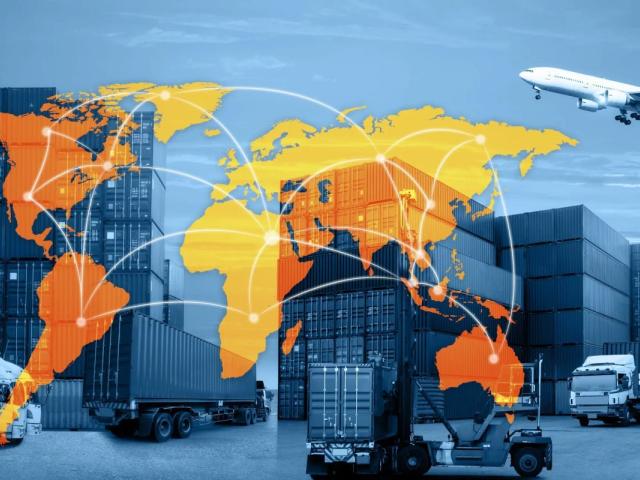
The integration of logistics in the Greater Bay Area (GBA) is one of the most significant policy trends affecting the logistics landscape of Hong Kong and Macau in recent years. Since the release of the "Outline Development Plan for the Guangdong-Hong Kong-Macao Greater Bay Area" in 2019, the GBA has achieved substantial progress in infrastructure connectivity, customs clearance facilitation, and logistics standardization. For enterprises shipping goods from the mainland to Hong Kong/Macao via China-HK logistics, understanding the policy dividends of GBA logistics integration can help optimize logistics plans and reduce compliance costs.
1. Policy Framework for GBA Logistics Integration
Policy Evolution Timeline: 2019 Outline Plan → 2023 GBA Customs Facilitation Measures → 2024 Sea-Air-Rail Intermodal Pilot → 2025 Data Interconnection.
Three Core Areas:
- Infrastructure Connectivity: Hong Kong-Zhuhai-Macao Bridge, Shenzhen-Zhongshan Link (opened 2024), Lian Tang Heung Yuen Wai Control Point (opened 2023)
- Customs Clearance Facilitation: Expanded "One Pass, Two Checks" Coverage; "Cross-Border One-Lock" Scheme; AEO Mutual Recognition
- Logistics Standardization: Alignment of Logistics Standards across Guangdong, Hong Kong, and Macau; Mutual Recognition of Electronic Documents
Direct Impact on China-HK Logistics: Reduced clearance times (20-40 minutes at Shenzhen Bay One Pass, Two Checks), Increased port options (6 Shenzhen-HK ports + 3 Zhuhai-Macau ports), Expanded cross-border vehicle quotas.
📌 Source: Referencing Guangdong Provincial Department of Transportation GBA policy documents, General Administration of Customs GBA clearance facilitation announcements.
2. Practical Guide to GBA Clearance Facilitation
The "Cross-Border One Lock" Scheme
The "Cross-Border One Lock" is a collaboration program between the customs authorities of Guangdong, Hong Kong, and Macau. After mainland customs apply an electronic lock and GPS tracking, goods enter Hong Kong via the Hong Kong-Zhuhai-Macao Bridge or Shenzhen ports without re-inspection, achieving "One lock throughout, full journey supervision".
Eligibility: General cargo (excluding dangerous goods/cold chain), suitable for high-value, time-sensitive China-HK shipments. Process: Mainland export declaration → Customs electronic lock applied → Automated verification at port → Unlock and release on Hong Kong side. Compared to traditional clearance, the "One Lock" can save approximately 30-60 minutes of port inspection time, ideal for repeat clients with weekly fixed shipment volumes.
Operational Points: Goods must be loaded and locked at a customs-supervised facility using a customs-issued lock. The electronic lock continuously feeds back GPS location en route; unauthorized opening or route deviation triggers an alert. After unlocking on the Hong Kong side, goods can be delivered directly to the consignee without secondary inspection.
AEO Mutual Recognition
AEO (Authorized Economic Operator) mutual recognition is implemented between the nine mainland cities in the GBA and Hong Kong Customs. Mainland enterprises holding AEO Advanced Certification can enjoy lower inspection rates and priority clearance for exports to Hong Kong via China-HK trucks. The reverse applies – mainland AEO enterprises recognized by Hong Kong get lower inspection rates for imports into the mainland.
Expansion of "One Pass, Two Checks" Ports
Shenzhen Bay Port was the first to implement "One Pass, Two Checks" (2007). Lian Tang Heung Yuen Wai Port (opened 2023) also uses this model. Huanggang Port will also adopt it after reconstruction.
3. GBA Logistics Infrastructure
Hong Kong-Zhuhai-Macao Bridge (HZMB)
Opened in 2018, connecting Zhuhai, Hong Kong, and Macau. It is a landmark project for the logistics integration of the three regions. The bridge cuts travel time from Zhuhai to HK from 4 hours to approx. 1 hour, and Zhuhai to Macau to 30 minutes. In 2025, the average daily traffic volume exceeded 10,000 vehicles.
Shenzhen-Zhongshan Link (SZ-Link)
Opened in 2024, connecting Shenzhen and Zhongshan. It reduces logistics time from Shenzhen to Zhuhai from 3 hours (via Humen Bridge) to approx. 2 hours, indirectly improving the efficiency of cargo transiting Zhuhai from Shenzhen to Macau. For companies needing distribution to both HK and Macau, the SZ-Link makes the Shenzhen → Zhuhai → Macau route more viable.
Lian Tang / Heung Yuen Wai Control Point
Opened in 2023, a new port in East Shenzhen connecting to HK. Designed daily capacity: 17,000 vehicles. Uses the "One Pass, Two Checks" model, effectively diverting eastern traffic from Huanggang Port. Goods from Huizhou, Heyuan, Meizhou, and other eastern PRD cities find this port most convenient for reaching Hong Kong.
4. Practical Impact of GBA Logistics Integration on Businesses
More port choices, faster clearance
Enterprises in the nine GBA cities now have flexible access to 6 Shenzhen-HK ports + 3 Zhuhai-Macau ports. Based on cargo location and destination, the optimal border crossing can be chosen. "One Pass, Two Checks" shortens clearance from 60-90 minutes (traditional mode) to 20-40 minutes.
Cross-City Logistics Network Synergy
The logistics hubs of Shenzhen, Hong Kong, Guangzhou, and Zhuhai are functionally complementary:
- Shenzhen: Consolidation & distribution center efficiently handling goods from the PRD's eastern bank
- Hong Kong: International transshipment hub connecting 600+ ports and 50+ all-cargo flight destinations globally
- Guangzhou: Largest freight hub in Southern China with dual-corridor (Shenzhen/Zhuhai) options
- Zhuhai: Macau logistics transshipment hub; 30 minutes to Macau via HZMB
Policy Dividends Continue to Unfold
The dividends of GBA logistics integration are still being realized. Recent developments worth noting include:
Electronic Customs Declaration Recognition: The three customs authorities are promoting mutual recognition of electronic declaration data. In future, after declaration at any one GBA customs office, data can be directly retrieved by the other two, eliminating redundant submissions. This will significantly reduce documentation management costs for companies using multiple ports.
Cross-Border Vehicle Quotas Easing: The Guangdong Provincial Public Security Department has been increasing quotas for Yue Z and FV dual license plates steadily. The application criteria are expected to be relaxed further. For companies with regular cross-boundary transport needs in the GBA, greater quotas mean more capacity options and lower plate costs.
Cold Chain Cross-Border Transport Standardization: The three jurisdictions are moving to align cold chain transport standards, including mutual recognition of temperature control data and quarantine results. Once implemented, this will notably boost cross-border throughput for pharmaceuticals and fresh produce.
Enterprises that position themselves within the GBA logistics system early will gain first access to benefits when the above existing and pending policies fully materialize.
5. Bofeng Logistics GBA Service Offerings
Bofeng Logistics’ GBA service covers three key hubs: Shenzhen (consolidation center), Zhuhai (Macau transshipment hub), and Hong Kong (warehousing and distribution center). Depending on cargo origin and destination, businesses can flexibly combine these hubs.
Data as of: July 2026
Series Navigation
- Previous: HK vs Macau Logistics Plan Selection
- Next: Four Modes & Selection of China-HK Logistics
- Back to TOC: HK Macau Logistics Dedicated Route Handbook TOC
Need a GBA logistics solution? Contact us for professional advice.
Inquiries: 130-7567-8958 | info@zhbfwl.com
Related Logistics Services
Bofeng Logistics offers the following related services, feel free to inquire: