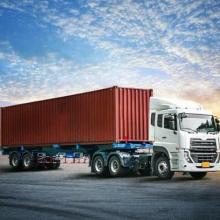
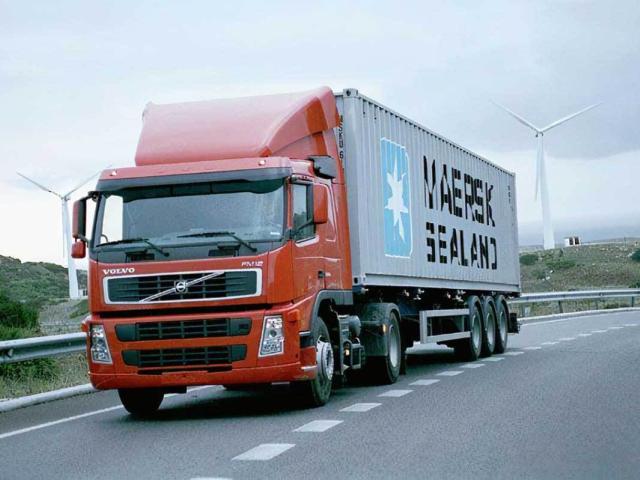
Trailer fees are a significant part of total logistics costs. A short-distance trailer journey for an export shipment from the factory to the terminal can account for 10%-20% of all logistics expenses. Without an understanding of how trailer fees are structured, additional surcharges on a quote may catch you off guard.
1. Basic Components of Trailer Fees
Trailer fees generally consist of the following parts:
| Fee Item | Description | Pricing Method |
|---|---|---|
| Starting Fee | Base cost for dispatching the trailer, including the tractor unit and driver cost | Charged per trip, fixed amount |
| Distance Fee | Total kilometers from the depot to the factory plus the factory to the terminal | Charged per kilometer |
| Container Pickup Fee | In-depot handling fee for collecting an empty container | Charged per container, fixed amount |
| Container Return Fee | Handling fee for returning the loaded container to the terminal depot | Charged per container, fixed amount |
| Waiting Time Fee | Fee for loading delays at the factory exceeding the free waiting period | Charged per hour |
| Lifting Fee (Tail Lift) | Cost when a tail lift is used because the factory lacks a loading platform | Charged per container |
All-Inclusive Price vs. Itemized Quote
| Quote Type | Features | Suitable Scenarios |
|---|---|---|
| All-In Rate (ALL-IN) | Includes starting fee + distance + pickup/return + basic waiting, a bundled price | Mainstream method, simple and clear |
| Itemized Quote | Each item is listed separately | Useful when special requirements exist |
The industry standard is typically the all-in rate, especially between freight forwarders and clients with long-term relationships. The advantage of an all-in rate is its simplicity, allowing for predictable total costs within a budget.
2. Main Factors Affecting Trailer Fees
2.1 Distance
Distance is the core pricing factor. The total mileage is usually calculated based on the round trip between the terminal and the factory. Generally, for short hauls under 50 kilometers, the starting fee accounts for a larger proportion. Beyond 100 kilometers, the distance fee's share increases significantly.
| Distance Range | Fee Characteristics |
|---|---|
| Short Haul (within 50km) | High proportion of starting fee, low proportion of distance fee |
| Medium Haul (50-150km) | Balanced proportion between starting fee and distance fee |
| Long Haul (over 150km) | Distance fee dominates; unit cost decreases as the starting fee is spread out |
2.2 Container Type
Different container types have varying trailer difficulty and weight, leading to different fees:
- 20GP (Small Container): Lowest fee, lighter weight, easier to handle.
- 40GP (Standard Container): Standard fee, moderate weight.
- 40HQ (High Cube): Slightly higher than standard due to increased height and height clearance considerations.
- Special Container Types (Open Top, Flat Rack, etc.): Higher fees, may require specialized trailers.
2.3 Waiting Time
Most trailer companies' quotes include a free waiting period of 2-4 hours (timed from arrival at the factory). Waiting time beyond this is charged hourly. Waiting fees represent the highest "hidden cost" in trailer fees — if factory loading is slow or queues are long, waiting costs can accumulate quickly.
2.4 Other Factors
| Factor | Impact on Cost |
|---|---|
| Cargo Weight | Heavy cargo (over 20 tons) requires a higher horsepower tractor, leading to slightly higher costs |
| Timing | Loading during nighttime/Holidays incurs surcharges |
| Road Conditions | Factories in remote areas or areas with poor road conditions increase costs |
| Peak Season | Tight capacity before Chinese New Year and at the end of the year; costs generally increase by 20%-30% |
3. Common Surcharges
Besides the basic fees, the following surcharges are easily overlooked:
| Surcharge | Reason | Approximate Charge |
|---|---|---|
| Overnight Fee (Detention) | Trailer stays overnight at the factory (loading not completed the same day) | Charged per night |
| Amendment Fee | Changing S/O or container number after container pickup | Fixed amount |
| Wrong Pickup Fee | S/O details don't match the container picked up; requires re-pickup | Fixed amount |
| Box Repair Fee | Damage caused to the container during loading | Assessed based on damage severity |
| Overtime Waiting Fee | Exceeding the free waiting period | Charged per hour |
4. How to Get an Accurate Trailer Quote?
To obtain an accurate all-in trailer quote, provide the following information:
- Loading Address (Factory city and detailed address)
- Destination Port Terminal (Which terminal for export)
- Container Type and Quantity (20GP/40GP/40HQ × number of containers)
- Scheduled Loading Time (When the trailer is required)
- Cargo Weight (Whether it exceeds weight limits or needs special handling)
Providing the above to a freight forwarder or trailer company allows them to give a precise ALL-IN quote.
Experienced Advice: Don't just look at the total price — ask whether the all-in rate includes "waiting fees" and "overnight detention fees." Some companies offer seemingly cheap quotes but have high waiting costs. It's safer to request quotes from 2-3 trailer companies and compare the total costs.
💡 Need a trailer cost inquiry? Send the loading address and container type to Bofeng Logistics for an ALL-IN, fully inclusive quote with no hidden fees.
📞 Trailer Quote Hotline: 13075678958 | info@zhbfwl.com
Related Logistics Services
Bofeng Logistics offers the following related services, feel free to inquire: