
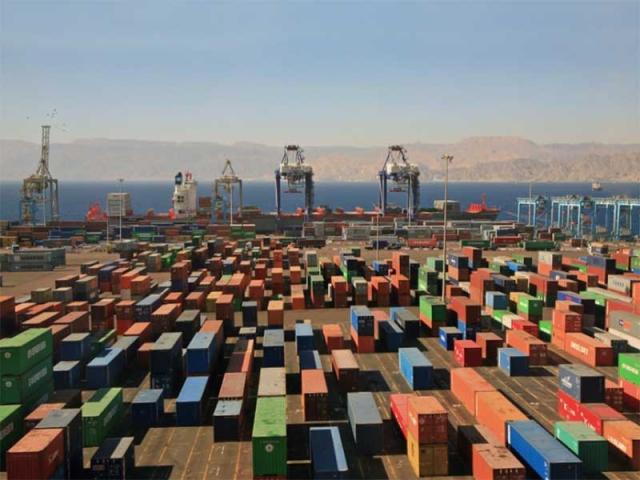
Container shipping has become a mainstream mode of international cargo transport not because it is faster, but because it strikes a balance among cost, safety, and transport connectivity. This article reviews the main advantages of container shipping from the shipper's perspective and also explains which cargoes are not suitable for containerized transport.
1. Cargo Safety and Damage Control
The enclosed container body protects cargo from sun and rain and from tipping during transit. Loading and unloading by machinery also reduces impacts caused by repeated handling. Together with securing, dunnage, and seal management, this can further reduce the risk of damage and theft. It should be noted that moisture-related risks (wet damage) do not disappear simply because cargo is containerized; they still need to be separately prevented through moisture-proof packaging and desiccants.
2. Lower Packaging and Handling Costs
The container itself is a sturdy layer of outer packaging, so many cargoes can eliminate some outer packaging materials, reducing packaging costs and cargo weight at the same time. Standardized container types and lifting gear make loading and unloading operations mechanized, which also reduces labor costs and operation time.
3. Smooth Connections Between Transport Modes
As a uniform transport unit, a container allows the cargo inside to remain unstuffed and restuffed when transferring between ships, railways, and trucks. This makes sea-rail intermodal and sea-road intermodal transport feasible. “One container all the way” reduces many intermediate transloading steps and the resulting cargo damage risks.
4. Warehousing and Capital Turnover Efficiency
Standard containers are easy to stack, so yard and warehouse space utilization is higher. Once loading, unloading, and transit times are shortened, inventory turnover accelerates, and the capital tied up in inventory decreases accordingly.
5. Schedule Density and Predictability
On main trunk routes, schedules are frequent and sailing schedules are published. Shippers can arrange production and delivery according to fixed schedules, and transit time predictability is better than that of tramp vessels. This is especially important for foreign trade companies that need to plan production backward from the sailing schedule.
6. Which Cargoes Are Not Suitable for Container Shipping
Oversized items whose dimensions or weight exceed container loading capacity (bridge components, steel rails, large mechanical equipment), as well as low-value, high-volume bulk raw materials (coal, ore, grain), are often more economical to ship by bulk carrier or breakbulk transport. For cargo requiring special container types or segregation requirements (dangerous goods, over-height and out-of-gauge cargo), first confirm whether the shipping line accepts the booking, and allow time for declaration and securing.
Data note: This article describes the general characteristics of container shipping. Specific service scope, container type availability, and charges are subject to the carrier's booking confirmation.
Further Reading
- Development Trends in Container Shipping: upsizing, slow steaming, and capacity cycles
- What Types of Container Cargo Are There?
- Encyclopedia of Container Types: parameter comparison and selection guide for 8 common container types
- Container Knowledge Center: dimensions and specifications, container type selection, container loading standards, and transport costs
FAQs
Is container shipping always cheaper than bulk shipping?
Not necessarily. The advantages of container shipping lie in standardized operations and intermodal connectivity. Freight rates depend on route supply and demand, cargo volume, and charging methods. For low-value, high-volume bulk cargo, using bulk carriers often results in lower unit costs; small-volume, multi-category cargo requiring transshipment better reflects the economies of scale of containers.
Can dangerous goods be shipped in containers?
Yes, but under strict conditions. Dangerous goods must be classified, packed, and declared in accordance with the IMDG Code. Container packing must be completed by qualified personnel and a packing certificate issued. Some categories are also subject to shipping line acceptance policies and port operating restrictions. Whether they can be accepted is subject to the shipping line's booking confirmation. For relevant requirements, refer to Dangerous Goods Container Transport.
To check container availability, sailing schedules and loading options for a specific route, submit an enquiry online and the Bofeng Logistics team will assess it against your actual cargo.
This article was prepared by the Bofeng Logistics team and reviewed in October 2026. Industry practices and data change over time; refer to carrier booking confirmations and current authority regulations for specifics.
Related Logistics Services
Bofeng Logistics offers the following related services, feel free to inquire: