Container Loading/Unloading, Moving, and Restowage Rate Table for Trucks, Trains, and Barges
Container Type Truck Loading/Unloading, Moving, Restowage Fee (CNY/Per container move) Train, Barge Loading/Unloading Fee (CNY/Per container move)
Standard Container 20
Ft
Containers with General Cargo 49.50 70.20
Empty Containers 49.50 70.20
Containers with Class 1 Dangerous Cargo 53.70 76.50
Reefer, Laden 53.70 76.50
Reefer, Empty 53.70 76.50
40
Ft
Containers with General Cargo 74.30 105.30
Empty Containers 74.30 105.30
Containers with Class 1 Dangerous Cargo 82.50 115.30
Reefer, Laden 82.50 115.30
Reefer, Empty 82.50 115.30
Note:
Rates for non-standard containers are negotiable but shall not exceed double the rate for their equivalent standard container type.
"Non-standard containers" refer to containers with dimensions differing from a standard container, deformed containers, and out-of-gauge containers. However, high-cube containers with the same length and width as standard containers, open-top containers not requiring rigging changes, and flat-rack containers not exceeding lateral gauge limits shall be charged at the rate for the corresponding standard container type.
"Out-of-Gauge" refers to cargo whose external dimensions exceed the container's dimensions.
* The above data is for reference only.
Description of Container Loading/Unloading Fees
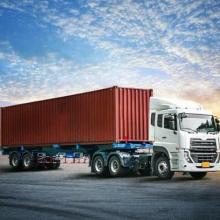
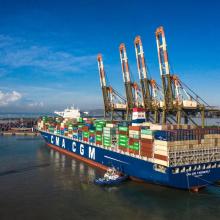
Container loading/unloading fees vary by mode of transport. Truck loading/unloading fees are charged based on container type, with different rates for 20GP and 40GP. Train loading/unloading fees include platform and lifting charges. Barge loading/unloading fees are charged based on the port and container type. Fee standards differ between ports; businesses should understand local fee structures in advance.
How to Choose the Optimal Loading/Unloading Plan
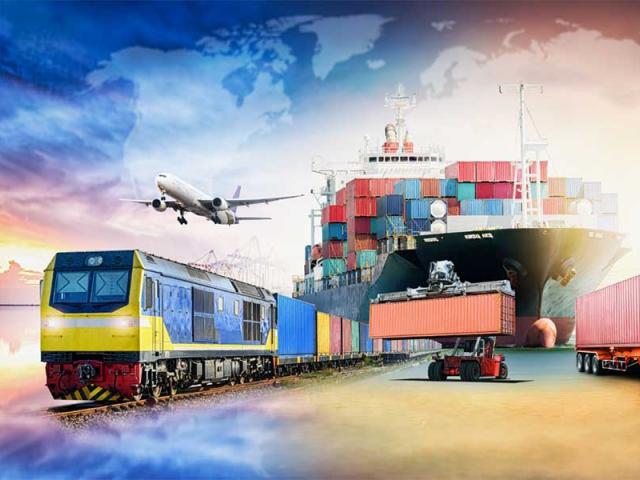
When choosing a loading/unloading and transport method, cargo owners should consider cargo type, transport distance, timeliness requirements, and cost budget. Truck loading/unloading is flexible and convenient, suitable for short-distance transport and door-to-door service. Train loading/unloading is suitable for long-distance transport of large volumes, with lower costs but less flexibility. Barge loading/unloading is suitable for inland waterway transport and bulk cargo shipment.
In practice, these three methods are often combined: short truck haulage to a rail freight station or port terminal, then long-distance transport by rail or barge. Proper combination can significantly reduce overall logistics costs.
Suggestions for Optimizing Loading/Unloading Fees
To reduce loading/unloading costs, cargo owners can take the following measures: schedule operation times with terminals or freight stations in advance to avoid waiting charges; organize container loading and stowage efficiently to reduce restowage operations; sign long-term cooperation agreements with logistics companies to secure favorable rates. Bofeng Logistics can provide you with fee consultation and transport plan optimization services.
Bofeng Logistics specializes in providing domestic container sea shipping, international sea freight (FCL/LCL), Hong Kong/Macau logistics express services, and one-stop logistics services including trucking, customs declaration, warehousing, etc. Contact: 130-7567-8958 (Manager Huang). Call now for a personalized quote!
Related Logistics Services
Bofeng Logistics offers the following related services, feel free to inquire: