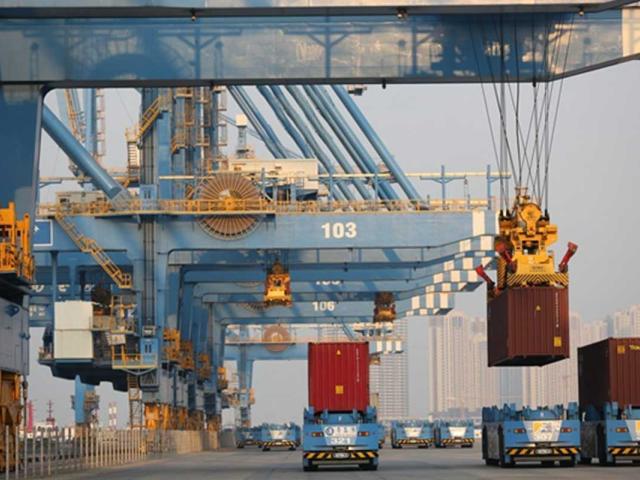
How to load containers for international shipping?
Container loading for sea freight is the process of placing goods into a container. The goods must be arranged according to specified methods to maximize container utilization and ensure cargo safety.
Container loading is a very important step in the full container load (FCL) operation of international sea freight. Doing this step properly ensures the safety of cargo transportation.
On-site loading operations for international sea freight containers typically involve three methods: manual loading entirely, using forklifts (pallet trucks) to move goods into the container and then stacking them manually, or using full mechanical loading, such as stacking palletized goods inside the container with a forklift.
Loading Process
- Confirm the quantity and quality of goods
- Before loading goods into the container, first ensure the quantity and quality of the goods to avoid delays in loading time and shipping schedules.
- Formulate a loading plan
- Determine the container type and quantity based on the actual condition of the goods, decide which items to load first and which later, consider weight balance, and even make preparations for potential customs inspections.
- Arrange loading workers and mechanical equipment in advance
- Arrange tally clerks, loading machinery (such as forklifts), and workers in advance. International sea freight FCL loading has time limits, so ensure loading is completed within the allotted time to avoid unnecessary overtime charges.
- Execute the loading operation
- Load the goods according to the formulated plan, adjusting as needed based on the actual situation during the process. Load as evenly and neatly as possible to avoid an unbalanced container. Take photos for documentation during the loading process.
- Seal the container after loading
- After completing FCL loading, seal the container with the shipping company's bolt seal. The container bolt seal is a one-time lock on the container, indicating whether it has been opened during transit. The seal has a number; if the seal number on the container received by the customer matches the one on the Bill of Lading, it means the container has not been opened. If customs opens the container for inspection, they will apply a new seal upon completion.
Related Services
Bofeng Logistics offers the following services. Contact us for a quote:
Related Logistics Services
Bofeng Logistics offers the following related services, feel free to inquire: