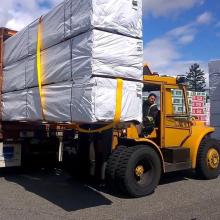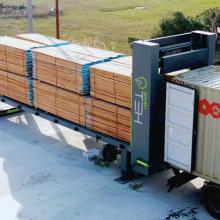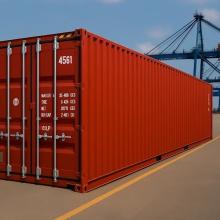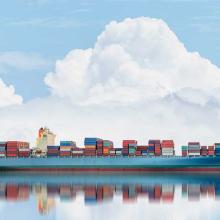
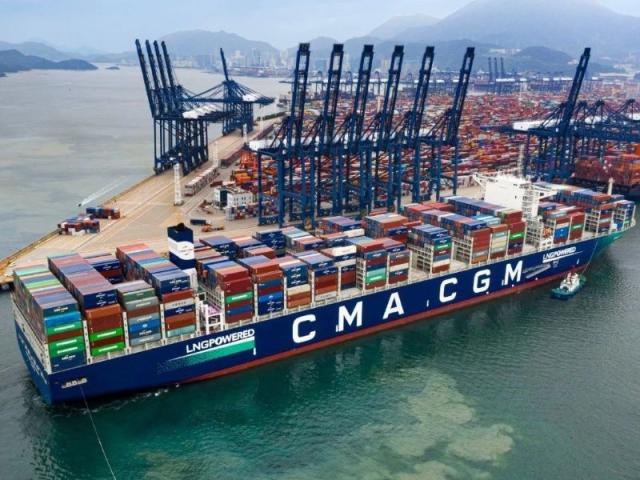
International container freight refers to the process of transporting goods across national borders using standardized large steel boxes—containers—through multimodal means such as sea, land, and air.
Features
- Standardization: Unified size standards are adopted globally, facilitating loading, unloading, and transshipment.
- High Security: Good sealing effectively protects goods from external environmental influences.
- Improved Efficiency: Rapid loading and unloading reduce damage to goods and speed up cargo turnover.
- Cost Savings: Large-scale transportation lowers the transport cost per unit of goods.
Transport Modes
- Full Container Load (FCL): Refers to the shipper loading one or more containers themselves, transporting them directly from the origin to the destination, suitable for bulk cargo.
- Less than Container Load (LCL): Suitable for shippers with smaller cargo volumes, where the freight forwarder consolidates goods from different shippers into one container for transport, then deconsolidates and distributes them to consignees at the destination port.
Operation Process
Export Process:
- Booking: The shipper or their agent reserves space with the shipping company or our Bofeng Logistics.
- Cargo Preparation and Stuffing: Select the appropriate container type based on the nature of the goods, load the container, and ensure compliance with safety standards.
- Customs Declaration: Declare export cargo information to customs and obtain release permission.
- Port Delivery and Loading: Transport the container to the port, where terminal operators load it onto the ship.
- Issuance of Bill of Lading: The shipping company or its agent issues the bill of lading as proof of cargo ownership and the transport contract.
Import Process:
- Exchange of Documents: The consignee or their authorized agent Bofeng Logistics exchanges the bill of lading for a delivery order from the shipping company at the destination port.
- Customs Declaration and Inspection: Submit relevant documents for import customs declaration and undergo customs inspection and quarantine as required.
- Payment of Duties: Pay corresponding tariffs and other taxes based on the value and type of goods.
- Cargo Release and Stripping: After paying fees, retrieve the container from the terminal and perform stripping operations.
- Cargo Distribution: Distribute the goods to the final consignees.
Key Points of International Container Freight
International container freight involves multiple links including document preparation, customs declaration, clearance, transport, and insurance. Key documents include the bill of lading, invoice, packing list, and certificate of origin. Cargo transport requires insurance to reduce risks. Choosing an experienced freight forwarder can help enterprises successfully complete international shipping. Bofeng Logistics provides professional international freight services.
Bofeng Logistics specializes in providing domestic container sea freight, international sea freight (FCL/LCL), Hong Kong and Macau logistics services, as well as one-stop logistics services including trucking, customs declaration, and warehousing. Contact number: 130-7567-8958 (Manager Huang). Call now for a customized quote!
Related Logistics Services
Bofeng Logistics offers the following related services, feel free to inquire: