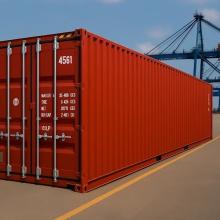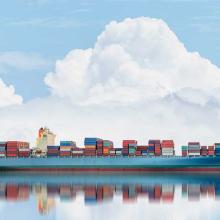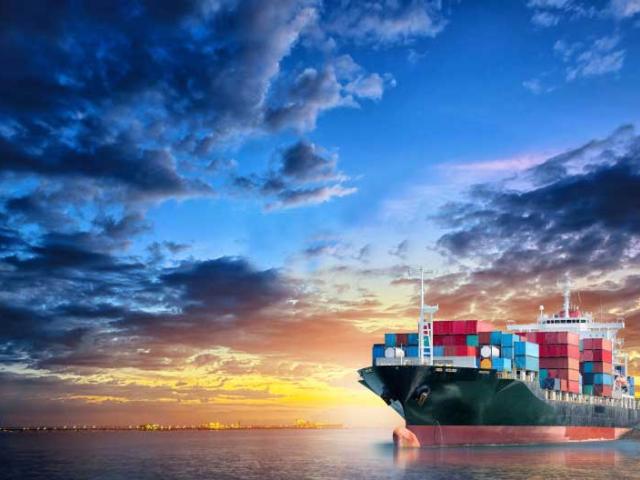
International maritime transport, as one of the cornerstones of international trade and global economic integration, refers to the activity of transporting goods by sea across national borders. This mode of transportation utilizes the global network of sea lanes, connecting ports across continents to enable the cross-border circulation of goods and services. International maritime transport includes not only traditional ocean shipping but also intermodal methods that link inland waterways with ocean routes, providing broad and deep logistics solutions for the global market.
Characteristics of International Maritime Transport
- Global Coverage: International maritime transport relies on the vast expanses of the world's seas, allowing it to reach nearly all countries and regions, serving as a fundamental mode of transportation for the exchange of goods on a global scale.
- High Capacity and Low Cost: Maritime transport uses large vessels, such as container ships, bulk carriers, and oil tankers, capable of carrying substantial volumes of cargo at a relatively low unit cost, making it particularly suitable for long-distance, large-volume shipments.
- Flexibility of Natural Waterways: Unrestricted by terrain, routes can be flexibly adjusted according to changes in the political and economic environment, adapting to the dynamic demands of international trade.
- Influence of Natural Factors: International maritime transport is significantly affected by seasons, weather, water levels, and ocean conditions, which may lead to extended transit times or temporary interruptions.
- Long Cycle Time: Compared to air and land transport, maritime transport is slower; the time from dispatch to delivery typically ranges from weeks to months, making it suitable for goods without urgent time constraints.
Advantages of International Maritime Transport
- Cost Efficiency: The greatest advantage of international maritime transport is its low shipping cost, especially suitable for the long-distance transportation of bulk commodities and non-emergency goods, effectively reducing logistics costs and enhancing corporate competitiveness.
- Environmental Friendliness: Compared to air freight, maritime shipping has much lower carbon emissions. With growing global emphasis on environmental protection, green shipping has become a trend, giving international maritime transport a significant advantage in sustainable development.
- Carrying Capacity: The carrying capacity of maritime transport far exceeds that of other modes, especially for bulky and heavy cargo such as heavy machinery and bulk raw materials, for which it is the only economically viable transportation option.
- Promoting International Trade: International maritime transport is the lifeblood of international trade. Through efficient cargo transportation, it fosters resource complementarity and economic cooperation between different countries and regions, deepening the integration of the global market.
- Diverse Services: In addition to basic cargo transportation, international maritime transport also offers a variety of service types, including refrigerated transport, specialized cargo transport, and roll-on/roll-off transport, meeting the specific needs of different industries and commodities.
Bofeng Logistics specializes in providing one-stop logistics services, including domestic container shipping, international shipping (FCL/LCL), Hong Kong and Macao logistics dedicated lines, as well as trailer, customs declaration, and warehousing. Contact number: 130-7567-8958 (Manager Huang), call now for a customized quote!
Related Logistics Services
Bofeng Logistics offers the following related services, feel free to inquire: