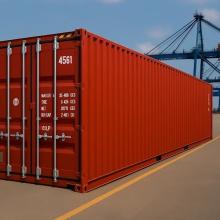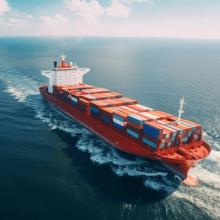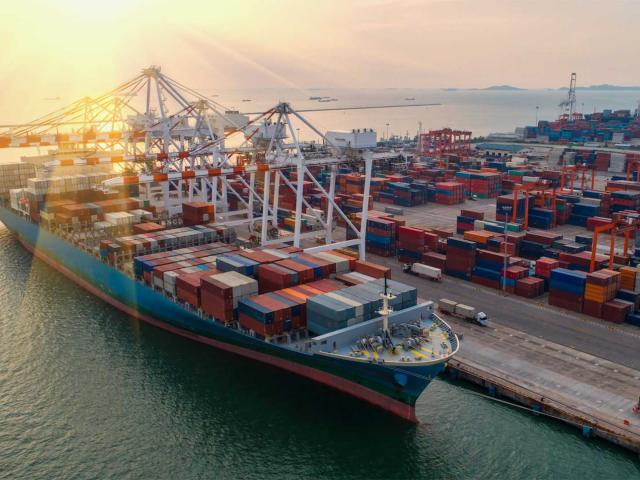
Domestic container shipping refers to a modern logistics method in China that uses dedicated container vessels to transport goods along fixed routes and between ports. It has become an important logistics channel connecting major coastal cities and inland river ports due to its efficiency, safety, and cost-effectiveness.
Container Types and Specifications
- Dry Container: The most common type, suitable for transporting most dry cargo.
- Reefer Container: Used for transporting perishable goods that require specific temperatures, such as food and pharmaceuticals.
- Open-Top Container: Features an openable top, suitable for loading extra-high or heavy cargo.
- Flat-Rack Container: Lacks a top and sides, typically used for transporting large machinery or steel products.
- Tank Container: Used for transporting liquid or gaseous goods.
Common international standard sizes include 20-foot, 40-foot, and high-cube containers (40-foot high-cube).
Shipping Process
- Inquiry and Booking: Inquire with a logistics company and book space.
- Cargo Preparation: Properly package goods according to their nature and prepare necessary shipment documents.
- Loading and Sealing: Goods are loaded into the container at a designated location, and the carrier seals it to ensure integrity during transport.
- Loading and Transport: The container is delivered to the terminal, loaded onto the vessel, and maritime transport begins.
- Discharging and Delivery: Upon arrival at the destination port, the container is unloaded. The logistics company arranges truck pick-up to deliver the container to the consignee's location and hands over the goods.
- Empty Container Return: Empty containers are collected at designated depots to prepare for the next use.
Cost Structure
- Ocean Freight: Determined based on the route, cargo weight/volume, and market conditions.
- Port Charges: Include loading/discharging fees, terminal fees, and insurance fees.
- Trucking Charges: Land transport costs to move the container from the factory or warehouse to the departure port, and from the destination port to the delivery location.
- Insurance Fee: Optional, used to cover risks during the transport of goods.
Important Notes
- Cargo Packaging: Ensure the packaging meets shipping requirements to prevent damage during transit.
- Complete Documentation: Have all necessary transport documents prepared, such as non-hazardous certificates, Safety Data Sheets (MSDS), etc., if the goods are suspected to be dangerous.
- Understand Transit Timelines: Domestic shipping is affected by factors like weather and port congestion, so allow sufficient buffer time.
Domestic Container Shipping Service
Domestic container shipping services provide container transport between coastal ports in China. Common container types include 20GP and 40GP. Domestic shipping routes cover all major ports nationwide. We offer door-to-door one-stop service to simplify the process.
Bofeng Logistics specializes in domestic container shipping, international shipping (FCL/LCL), Hong Kong and Macau logistics routes, as well as one-stop logistics services including trucking, customs clearance, and warehousing. Contact: 130-7567-8958 (Manager Huang). Call now for a customized quote!
Related Logistics Services
Bofeng Logistics offers the following related services, feel free to inquire: