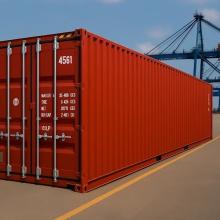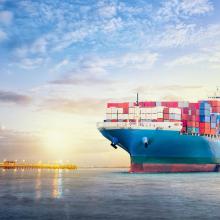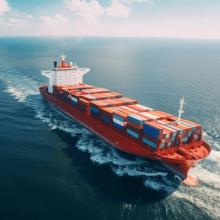
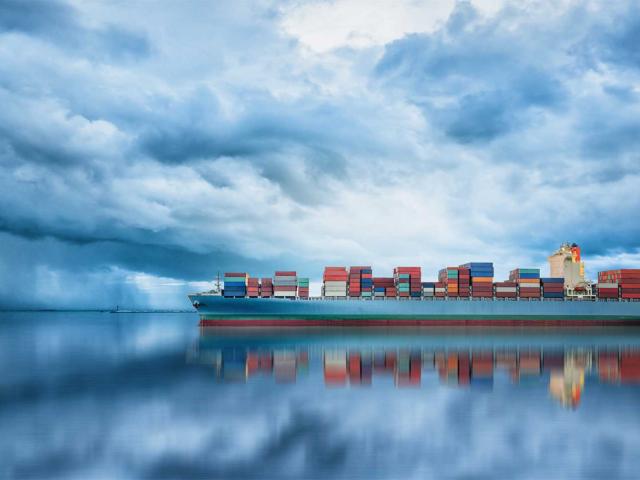
Domestic coastal transport refers to the movement of cargo and passengers between domestic coastal areas using coastal shipping routes and port resources within China. China's long coastline and numerous natural deep-water ports provide unique geographical advantages for domestic coastal transport.
Main Components
Domestic coastal transport mainly covers two core areas:
- Maritime Transport: This involves using various types of cargo ships, including bulk carriers and container vessels, to transport goods via coastal routes. These routes connect major coastal cities and ports in China, such as Shanghai, Ningbo, Tianjin, Guangzhou, and Dalian, forming a dense transport network that supports huge domestic trade volumes.
- Coastal Port Logistics: This involves cargo loading and unloading, warehousing, transshipment, and related logistics services. Modern port facilities and advanced information technology applications, such as automated terminals and intelligent scheduling systems, have greatly improved transport efficiency and service levels.
Operational Process for Domestic Coastal Transport
- Order Receipt and Contract Signing
- The customer submits transport requirements, including cargo type, quantity, origin, destination port, and estimated shipping date.
- The logistics company provides a quotation and transport plan based on the customer's needs. After mutual agreement, a transport contract is signed.
- Cargo Preparation
- The shipper prepares the cargo, ensuring it meets transport requirements, such as proper packaging.
- Cargo Containerization
- The logistics company arranges for a truck to pick up the container and deliver it to the factory for loading, then transports the container to the port area.
- Loading and Departure
- After the container arrives at the port, it is loaded onto the scheduled vessel as planned.
- The vessel departs as scheduled.
- In-Transit Tracking and Notification
- During maritime transport, the logistics company tracks the cargo's status in real time and maintains communication with the customer.
- In the event of special circumstances such as delays, the shipper and consignee are promptly notified.
- Unloading and Cargo Pick-up
- The vessel arrives at the destination port, and unloading operations are completed.
- For door-to-door delivery, the logistics company arranges a truck to pick up the cargo and deliver it to the designated location. For self-collection at the port, the consignee handles the pickup procedures using relevant documents (such as delivery order and ID card) and arranges a vehicle to transport the cargo out of the port area.
- Settlement of Fees
- Based on the actual transport situation, both parties verify the fees, including but not limited to freight and any potential additional charges.
- After all fees are settled, the transaction is completed.
Important Notes
- Compliance: Ensure all operations comply with national maritime, customs, and environmental regulations.
- Risk Management: Identify and assess potential risks in advance, such as weather impacts, cargo damage, and delays, and develop countermeasures.
- Cost Control: Plan transport routes and schedules reasonably and manage various expenses effectively to reduce transport costs.
Related Logistics Services
Bofeng Logistics offers the following related services, feel free to inquire:
Knowledge Category