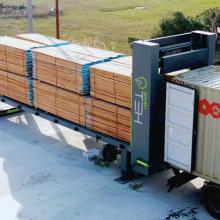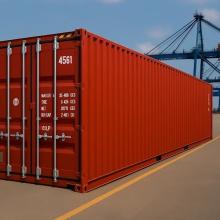
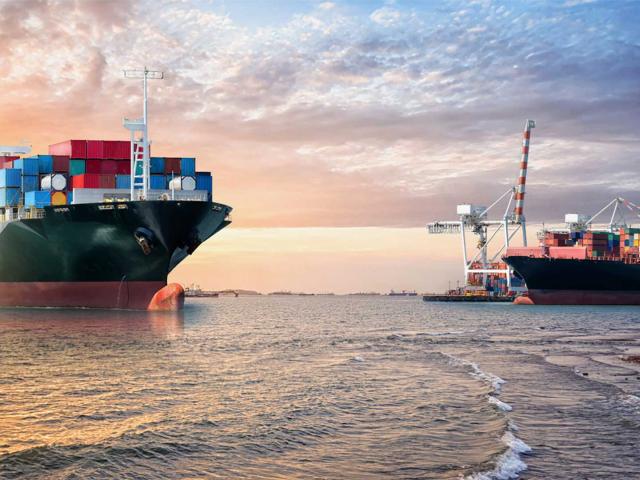
Less than Container Load (LCL), also known as groupage or consolidated shipping, is a common logistics method in international freight transport, especially suitable for cargo shipments insufficient to fill an entire standard container. In contrast to Full Container Load (FCL), LCL reduces the transportation cost per unit by consolidating goods from different shippers into one container, providing a cost-effective logistics solution for small and medium-sized enterprises and individuals. Below is a detailed introduction to the process, advantages, precautions, and operational key points of LCL shipping.
Basic Process of LCL Shipping
1. Cargo Preparation
- Cargo Packaging: Ensure that cargo packaging meets international shipping standards and can withstand compression and vibration during long-distance transport.
- Cargo Information: Prepare a detailed cargo list including name, quantity, weight, volume, etc., to facilitate subsequent customs declaration and sorting.
2. Booking and Consolidation
- Booking: Reserve LCL services through a freight forwarder or logistics company, providing cargo information and destination port details.
- Consolidation: Cargo is sent to a designated warehouse for consolidation, waiting to be loaded together with goods from other shippers.
3. Loading and Customs Declaration
- Loading: Cargo is sorted by destination in the warehouse and then loaded into the container.
- Customs Declaration: The freight forwarder or logistics company handles export customs declaration procedures on behalf of the shipper.
4. Transportation
- Sea/Air Freight: Depending on the situation, the selected mode of transport carries the cargo to the destination port.
5. Customs Clearance and Deconsolidation
- Customs Clearance at Destination Port: Upon arrival, the cargo must go through import customs clearance procedures.
- Deconsolidation: At the destination port warehouse, the container is opened, and cargo is sorted according to the list, with consignees notified for collection.
6. Final Delivery
- Pickup or Delivery: Consignees can choose to pick up the cargo themselves or arrange door-to-door delivery through a logistics company.
Advantages of LCL Shipping
- Cost Efficiency: Shares container costs, reducing the transportation cost per unit of cargo.
- High Flexibility: Suitable for small-batch cargo shipments, allowing dispatch without waiting for full container consolidation.
- Simplified Process: The freight forwarder manages most logistics steps, easing the shipper's burden.
- Global Coverage: Leverages mature international logistics networks for delivery to major ports worldwide.
Precautions
- Time Delays: Compared to FCL, LCL may extend transit time due to steps like consolidation and sorting.
- Cost Transparency: Be aware of all potential charges, such as deconsolidation fees and storage fees, to avoid extra expenses.
- Insurance Recommendation: Consider insuring the cargo to protect against unforeseen risks during transport.
Bofeng Logistics provides professional one-stop logistics services including domestic container shipping, international shipping (FCL/LCL), Hong Kong-Macau logistics dedicated lines, as well as trucking, customs declaration, and warehousing. Contact: 130-7567-8958 (Manager Huang). Call now for a customized quote!
Related Logistics Services
Bofeng Logistics offers the following related services, feel free to inquire: