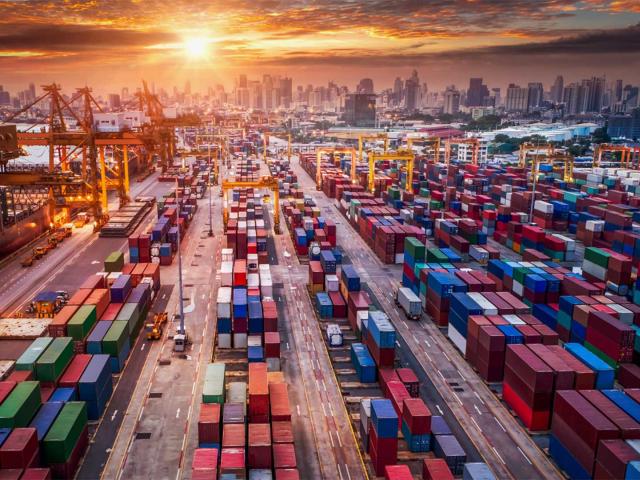
LCL (Less than Container Load) is an international maritime shipping method for consignors whose cargo volume is insufficient to fill a standard container (e.g., 20-foot or 40-foot container). In this case, cargo from multiple shippers is consolidated into one container for transport, sharing transportation costs and reducing unit shipping expenses. This service is typically provided by professional international freight forwarders or logistics companies, including cargo collection, sorting, packing, customs clearance, transportation, and deconsolidation and distribution at the destination port.
The Role of LCL Ports
LCL ports, or consolidation centers, are seaport areas specifically designed for handling the inbound and outbound operations of LCL cargo. These ports are equipped not only with standard cargo handling facilities but also with specialized warehouses and logistics management systems to address the complexity and diversity unique to LCL shipments. The main functions at LCL consolidation ports include:
- Cargo Receipt and Inspection: Collecting thousands of small batches of cargo from multiple shippers, conducting quality inspections and quantity verifications.
- Cargo Sorting and Consolidation: Sorting cargo by destination, nature (e.g., dangerous goods, refrigerated items), and transport requirements, and optimizing packing plans to maximize container space utilization.
- Container Loading and Labeling: Safely loading sorted cargo into containers and affixing identification labels and barcodes to outer boxes and cargo for tracking and management.
- Customs Declaration and Clearance: Assisting shippers with export customs declarations to ensure compliance with all legal and regulatory requirements of both export and import countries.
- Cargo Stowage and Outbound Shipping: Arranging container stowage on the most suitable vessels to ensure timely departure, as well as smooth reception and distribution at the destination port.
Factors to Consider When Choosing an LCL Port
When selecting a suitable LCL port, factors to consider include:
- Geographic Location: Ports close to both the origin and destination of cargo can reduce inland transportation costs.
- Shipping Route Network: The port's international route coverage directly impacts cargo accessibility and transit time.
- Facilities and Services: Advanced warehousing, handling equipment, and efficient customs clearance services can speed up cargo processing and reduce delays.
- Cost Effectiveness: By considering port fees, logistics costs, and potential value-added services, choose a port with a favorable cost-performance ratio.
- Safety and Compliance: Ensure the port follows international safety standards and trade regulations to protect cargo security.
博丰物流专业提供国内集装箱海运、国际海运(FCL/LCL)、香港澳门物流专线及拖车报关仓储等一站式物流服务。联系电话:130-7567-8958(黄经理),立即致电获取专属报价!
Related Logistics Services
Bofeng Logistics offers the following related services, feel free to inquire: