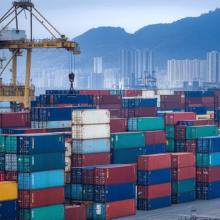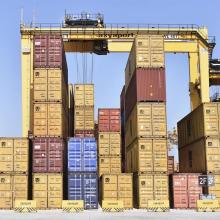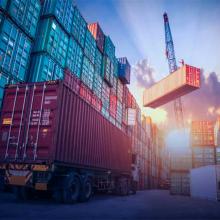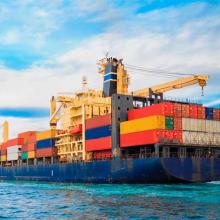
What is "Container Rollover"? "Container rollover" is a common term in foreign trade, freight forwarding, logistics, and other industries. "Container" refers to the shipping container, mainly sea freight containers, including Full Container Load (FCL) and Less than Container Load (LCL) rollovers. As the name suggests, "container rollover" means the shipping line scheduled for your container does not load it, and the containers are delayed to the next or subsequent voyages.
Generally, LCL rollovers are relatively less frequent because LCL freight forwarders are usually stronger and have better relationships with shipping lines. Also, LCL involves multiple customers and shipments, having a greater impact, so they try every means to avoid rollovers, unless a customs inspection occurs and the shipment cannot catch the vessel, in which case it can only be postponed to the next voyage.
In fact, postponing a vessel does not equal a rollover. A rollover means there are no issues with your end, and the shipment is fully ready for the vessel, but due to the shipping line's unilateral reasons (allocated space exceeds actual capacity), there is an oversold situation with no space left, so they directly roll your container. Postponing a vessel is generally due to reasons from the freight forwarder or shipper, where they simply cannot catch up and have to postpone to the next voyage.
How to Avoid Being Rolled
Book early: In peak season, book 2-3 weeks in advance.
Arrive on time: Deliver the container to the terminal before the closing time.
Choose a reliable shipping line: Major shipping lines offer more guaranteed space.
If rolled, contact the freight forwarder promptly to arrange the next available vessel.
Bofeng Logistics specializes in providing domestic container sea freight, international sea freight (FCL/LCL), Hong Kong and Macau logistics routes, as well as one-stop logistics services including trucking, customs clearance, and warehousing. Contact number: 130-7567-8958 (Manager Huang). Call now for a customized quote!
Summary of Container Rollover Issues
Container rollover is a common problem in sea freight. By booking early, choosing a reliable shipping line, and leaving buffer time, the risk of being rolled can be effectively reduced.
Procedure After Being Rolled
After being rolled, contact the freight forwarder immediately to confirm the next vessel's schedule. Check whether customs declaration procedures need to be updated or re-handled. Notify the consignee of the schedule change. Some shipping lines may waive the alteration fee incurred due to the rollover. It is recommended to clearly define liability clauses for rollovers in the booking contract.
In summary, while container rollovers are difficult to completely avoid, their impact can be minimized through proper planning and adequate preparation. Choosing an experienced freight forwarding partner is also very important.
Related Logistics Services
Bofeng Logistics offers the following related services, feel free to inquire: