I. Oversized and Overweight Cargo
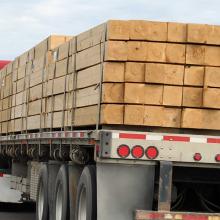
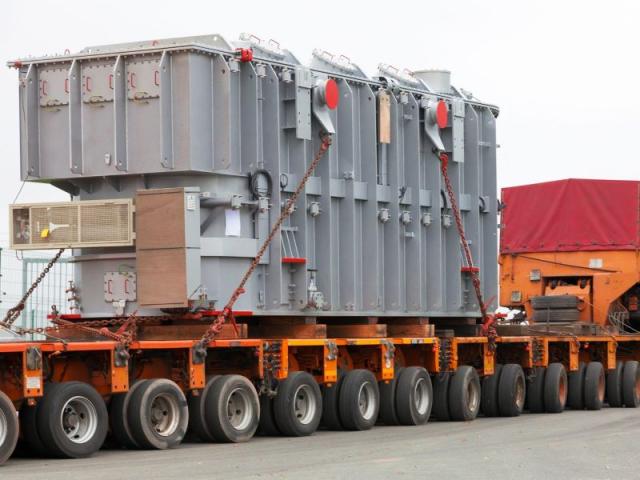
Goods that are extra-long (less than 12m), extra-wide (less than 3m), or extra-heavy (less than 20 tons) require transportation on flatbed or high-sided trucks. Oversized cargo exceeding standard truck dimensions needs to be pre-declared to the port.
Operating Procedure: Provide cargo dimensions and weight for feasibility assessment. Arrange a flatbed truck for loading at the factory. The cargo is lashed and secured before it transits through the port to Hong Kong. Customs may require container inspection for oversized cargo at the port, so allow extra time. The route for cross-border trucks involves city roads and port passages; for oversized cargo, transportation routes must be planned in advance to avoid height and width restrictions. It is recommended to notify the logistics provider 2-3 working days in advance to arrange the vehicle and port declaration.
Lashing Requirements: Lashing and securing oversized cargo on a flatbed truck must ensure the cargo does not shift during transit. The travel time for cross-border trucks between Shenzhen Bay and Huanggang ports is about 30-40 minutes, with city sections taking about 1 hour. Lashing plans must use steel strapping or fiber ropes fixed to the floor anchor points, with timber supports added when necessary. Lashing and securing standards follow the Cargo Stowage and Securing Code. When loading oversized cargo on a flatbed truck, ensure the cargo's center of gravity is on the vehicle's centerline to avoid overturning due to an offset center of gravity. Extra-long cargo must have an over-length warning sign attached to the rear, and for extra-wide cargo, permission for road access along the route must be confirmed in advance.
Suitable Oversized Cargo includes engineering vehicles, large machinery and equipment, steel structures, generator sets, marine parts, and large molds. Before shipping oversized cargo, it is recommended to provide photos or drawings of the goods so the logistics provider can assess the loading plan and lashing requirements.
II. Cold Chain Cargo
Temperature-controlled goods such as food, pharmaceuticals, and flowers are transported using refrigerated trucks. Refrigerated trucks can be set to chill mode (0-8°C) suitable for fresh food, pharmaceuticals, flowers, or freeze mode (-18°C and below) suitable for frozen food and ice cream. The temperature is controlled without interruption throughout the process, from loading in the factory cold store, to chilling during transit, to unloading at the Hong Kong cold store; temperature data is traceable. The placement of temperature data loggers during cold chain transportation is crucial; it is recommended they be placed in the center of the cargo, not at the truck door.
Operating Requirements: The key to cold chain transport is pre-cooling—the goods must be pre-cooled to the transport temperature in advance, and the refrigerated truck compartment must also be pre-cooled by turning on the refrigeration unit beforehand. In hot summer weather, maintaining temperature control during queuing at ports is the biggest challenge for cold chain transport. Choosing Shenzhen Bay Port (faster port clearance) or avoiding peak hours for exiting the Mainland is recommended. While queuing at port, the refrigerated truck must keep its engine running to maintain refrigeration, which significantly increases fuel consumption; sufficient fuel margin must be reserved for long-distance transport. The cost for cross-border refrigerated trucks is usually higher than for standard dry vans of the same size, but temperature control compliance for food and pharmaceuticals makes the refrigerated truck essential.
Sources of Cold Chain Cargo: Cross-border cold chain transport mainly comes from three directions. Frozen food factories in the Pearl River Delta supply Hing's supermarkets and catering channels. Pharmaceuticals and biological products are re-exported via Hong Kong. Flowers and high-end ingredients are air-freighted from Hong Kong airport. Customs inspection for cold chain cargo is relatively strict; preparing inspection certificates and temperature records in advance is recommended. Cold chain cargo headed for export must also meet the import quarantine requirements of the destination country. Temperature control standards are different among various countries. Cold chain transport for pharmaceuticals is more stringent, typically requiring dual backup temperature loggers and completion of temperature mapping validation beforehand. The Department of Health in Hong Kong has specific requirements for temperature records of imported pharmaceuticals; the data must be saved for audit.
III. Dangerous Goods
Cross-border transportation in China and Hong Kong for dangerous goods such as chemicals, paints, and batteries requires an MSDS (Material Safety Data Sheet) for review. The MSDS includes the hazardous nature classification and transport requirements of the cargo.
Operating Procedure: After review and confirmation of the MSDS for carrier acceptance, arrange dedicated dangerous goods vehicle transport. Operate and label according to IMDG Code rules. Declaration of dangerous goods is more complex than regular cargo; a dangerous goods declaration form and packaging performance proof are also required. Transportation requires special vehicles equipped with fire safety devices and leakage emergency response tools.
Restrictions: Not all dangerous goods can be shipped via cross-border trucks between China and Hong Kong. Some high-hazard chemicals (e.g., explosives, highly toxic substances) are restricted by port controls; confirmation is needed beforehand. Conventional cross-border dangerous goods mainly include Class 3 flammable liquids (paints, solvents), Class 8 corrosives (acids), and Class 9 miscellaneous (lithium batteries). Class 2 gases (lighters, refrigerants) have many transport restrictions and require separate confirmation. Class 4 flammable solids (activated carbon, sulfur) can be declared as normal dangerous goods. It is recommended that companies requiring dangerous goods transport contact their logistics provider 1-2 weeks in advance to confirm feasibility and required documents. Dangerous goods declaration requires three documents: the MSDS in Chinese and English, the dangerous goods packaging performance list, and the dangerous goods declaration form. Dangerous goods vehicles must comply with IMDG Code requirements, be equipped with appropriate safety equipment, and carry emergency response items. The driver must hold a dangerous goods transport operation qualification certificate.
IV. Bofe Global specializes in special cargo services
We can transport oversized equipment, cold chain food products, and dangerous chemicals. We offer special transportation vehicles like flatbed trucks, refrigerated trucks, dangerous goods dedicated trucks, along with professional lashing and securing, temperature monitoring, and dangerous goods declaration solutions. Every special cargo shipment has a dedicated person following up from solution design to transport execution. Oversized cargo services provide flexible securing confirmation, cold chain cargo allows real-time temperature data checks, and dangerous goods offer full agency for the declaration process. Our services include door-to-door for areas in Guangdong Province, while shipments from other parts of the mainland can be transshipped through the Zhuhai warehouse. We recommend contacting us ahead to confirm the best transport method and price. We can also offer the most appropriate vehicle model and transportation plans tailored to the goods, taking into account the different regulations for oversized goods, cold chain items, and dangerous or hazardous shipments. Please contact BofeGlobal to get detailed operating procedures and a full price calculation for shipping item is special cargo.
Related Logistics Services
Bofeng Logistics offers the following related services, feel free to inquire: