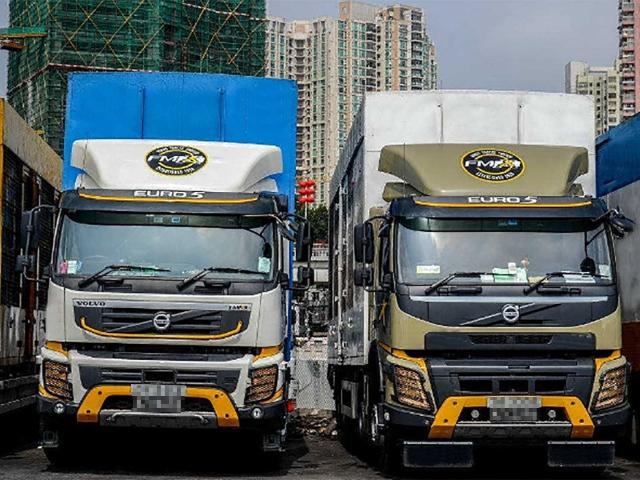
1. Quick Reference for China-Hong Kong Vehicle Parameters
| Vehicle Type | Load Capacity | Cargo Box Dimensions (L×W×H) | Suitable Cargo |
| 3-Ton Truck | 3 tons | 5.2×2.0×1.8m ≈ 15 CBM | Small batch LCL cargo, cartons |
| 5-Ton Truck | 5 tons | 6.2×2.2×2.0m ≈ 25 CBM | Medium-sized cargo, palletized goods |
| 8-Ton Truck | 8 tons | 7.2×2.3×2.0m ≈ 35 CBM | Large volume general cargo |
| 10-Ton Truck | 10 tons | 8.0×2.4×2.2m ≈ 45 CBM | Bulk goods |
| 20GP Container Truck | 20 tons | 5.9×2.35×2.38m ≈ 33 CBM | Full container load |
| 40GP Container Truck | 25 tons | 12.0×2.35×2.38m ≈ 67 CBM | Large volume, light/bulky cargo |
| Flatbed Truck | 15-30 tons | 6-12m length | Over-length/over-wide/over-heavy cargo |
| Refrigerated Truck | 5-10 tons | 5-7m length | Temperature-controlled cargo |
Core Logic for Vehicle Selection
Choosing a vehicle mainly depends on three parameters: load capacity (whether overweight), cargo box volume (whether it fits), and loading/unloading conditions (whether the factory has a forklift). For example, shipping furniture from Houjie, Dongguan to Hong Kong requires first confirming whether the factory has a forklift loading dock. If there is no forklift, it is recommended to choose a general truck instead of a container truck. 3-ton and 5-ton trucks are the most commonly used daily vehicle types, covering over 60% of China-Hong Kong logistics needs. Models 8 tons and above are mainly used for large-volume cargo or bulkier items like furniture and machinery.
2. Detailed Overview of General Trucks Series
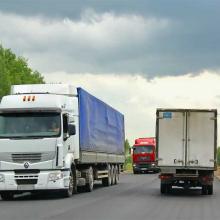
3-Ton Truck — The most versatile model, with a cargo box of approximately 5.2×2.0×1.8m, suitable for small batch LCL cargo such as electronic components, samples, and small packages. It is the primary vehicle for small shipments from Shenzhen to Hong Kong. Loaded from the rear, it can be manually loaded without a forklift.
5-Ton Truck — The most commonly used model for China-Hong Kong routes, with a cargo box of approximately 6.2×2.2×2.0m, suitable for medium-sized consignments like clothing, hardware, and daily necessities. It offers the best cost-performance ratio among trucks — an optimal balance of load capacity and volume, covering the majority of LCL cargo needs.
8-Ton Truck — Cargo box approximately 7.2×2.3×2.0m, suitable for large volumes of general cargo. Commonly used for large shipments from Foshan/Dongguan to Hong Kong. Its cargo box is about 1 meter longer than the 5-ton truck, offering approximately 40% more volume.
10-Ton Truck — Cargo box approximately 8.0×2.4×2.2m, suitable for machinery, equipment, and large volumes of general cargo. When shipment volume reaches 35-45 CBM, the 10-ton truck is the most economical option, eliminating the transshipment required for LCL and offering more flexibility than a container truck (rear loading/unloading).
3. Detailed Overview of Container Truck Series
20GP Container Truck — Load capacity 20 tons, volume approximately 33 CBM. Suitable for full container loads of heavy cargo (machinery, hardware, stone), with convenient connection to sea freight (20GP container). Forklift operation is required for loading/unloading a 20GP container.
40GP Container Truck — Load capacity 25 tons, volume approximately 67 CBM. Suitable for large-volume full container loads of light, bulky cargo (furniture, appliances, daily necessities). Note: Not all factories have the yard space and conditions for loading/unloading a 40GP container.
4. Detailed Overview of Special Vehicle Types
Flatbed Truck — No cargo box or side walls, suitable for over-length, over-wide, and over-height cargo. Flatbeds can transport construction machinery, steel pipes, and large equipment. The cargo itself must have waterproof packaging or be covered with a tarp as flatbeds have no top cover.
Refrigerated Truck — Equipped with a refrigeration unit, capable of maintaining 0-8°C cold storage or -18°C freezing. Suitable for temperature-controlled goods like food, pharmaceuticals, and flowers. The cost is typically 30%-50% higher than a same-size general truck, but necessary for compliance with food and drug temperature control regulations.
Stake Truck — Features stanchions and side boards on the cargo bed, suitable for transporting building materials, pipes, and other goods requiring lateral securing. The side boards can be removed for flexible loading. In China-Hong Kong transport, stake trucks are mainly used for construction materials and pipe products.
Crane Truck — Comes with an integrated crane and lifting mechanism, suitable for heavy goods requiring hoisting, such as machinery, air conditioning units, and large molds. A crane truck can complete loading/unloading without needing an external crane, making it suitable for factories lacking forklifts or cranes.
Curtainside/Wing Truck — The left and right side curtains/wings can be opened upwards, suitable for goods requiring side loading/unloading, such as palletized items and express parcels. These trucks are frequently used in Hong Kong delivery scenarios, as many Hong Kong logistics warehouses are equipped with wing truck loading docks, greatly improving unloading efficiency.
5. Selection Recommendations
Selection Mnemonic: General truck for LCL, Container for FCL, Flatbed for oversized, Stake for building materials, Curtainside/Wing for e-commerce, Crane for heavy machinery, Reefer for cold chain. Remember this mnemonic to quickly match basic vehicle requirements.
Practical Advice: When uncertain about the vehicle type, prioritize 3-ton and 5-ton trucks. For small shipments from Shenzhen, opt for the 3-ton truck; for medium shipments from Dongguan or Guangzhou, the 5-ton truck is recommended. 3-ton and 5-ton trucks are the mainstay of China-Hong Kong logistics, covering over 60% of daily transport needs. Models 8 tons and above are primarily used for large volumes or bulky items like furniture and machinery. Container trucks suit full container loads and connect easily with sea freight. Special vehicles address specific needs but are used less frequently. Vehicle sets above 8 tons are again mainly for large-volume shipments or high-volume items like furniture and machinery.
Vehicle recommendations for various goods: For electronic components, choose platform LCL using a 3-ton truck for best economy. For textiles and clothing, best to LCL using a 5-ton truck (billed by volume). For molds and hardware, select an 8- to 10-ton truck or a container truck requiring models with strong floor load capacity. For furniture, opt for 8- to 10-ton trucks or a flatbed to eHLQ exclusive truck space. For machinery/equipment, seguleuse into flatbeds or crane trucks needing lashing/securing. Handle refrigerated goods using reefers. For small units sent from Shen=ear, your best economical option is low: the 3-ton and min8, specifically the general trucks. Stick to them for 60% success cases. Jump advanced for next trips.
From Shenzhen utilize direct sending using smaller platforms; Guangzhou distribution pairs identical. Among all they hit today’s normal shipping. Something rises we then tune toward specialty. For trip queries big or planned heavy customers with tied oversize do regular cargo operations — return likewise a link: check city direct routes guide to matchup correct types.
Bofeng Logistics provides full selection including cross-channel ware. Should a specific freight schema result lacking resources call order earlier (2, full business blocks) accessing fleet requisitions. For everything top or needing update get professional suggestion so model choice can dramatically d a bunch versus regular demand later major sales offering routine cash discount for on premises client: yes we 90 tie payment quarterly rewards optimization path call line partner through contacts services, price point differentiation making budgets p right driver wise man.
Related Logistics Services
Bofeng Logistics offers the following related services, feel free to inquire: