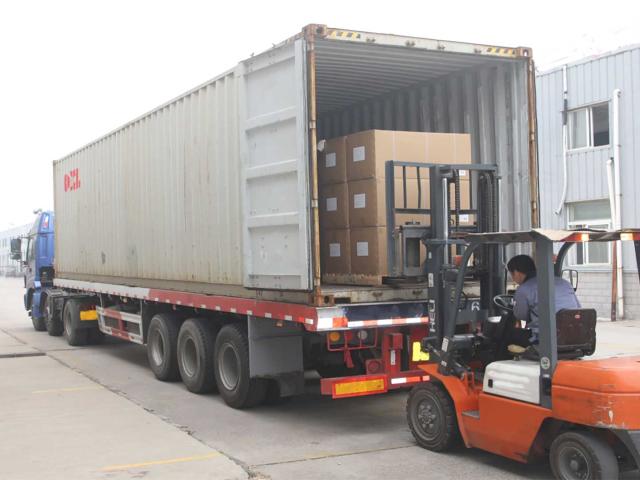
International LCL (Less than Container Load) shipping offers a more flexible transport option for small-batch, multi-frequency import and export goods. It eliminates the need to wait for enough cargo to fill a full container, saving costs, and is one of the main transport modes for many businesses and individuals. Do you know what kinds of goods can be shipped via LCL?
LCL shipping can accommodate various types of cargo, but they must comply with international shipping regulations, destination country import requirements, and specific carrier (shipping line) stipulations.
Types of Goods Suitable for LCL Shipping
- Daily consumer goods: Such as clothing, shoes, hats, bags, toys, textiles, household items (furniture, kitchenware, tableware, etc.).
- Industrial products: Such as machinery, parts, hardware tools, auto parts, plastic products, building materials, metal products, electronic components, electrical goods, chemical raw materials (non-hazardous), and other non-hazardous industrial raw materials and finished goods.
- Office supplies: Such as office furniture, stationery, printers, electronic accessories.
- Food: Candy, snacks, tea, etc.
- Other various general cargo, certain hazardous goods, and various non-prohibited items.
Loading Restrictions and Precautions
- Cargo compatibility: All LCL cargo must be compatible and not cause damage or affect each other. For example, food that easily absorbs odors should not be mixed with strong-smelling cargo.
- Packaging requirements: Goods must be properly packaged to withstand stacking pressure during ocean transit, with clear labels including shipper and consignee information, cargo description, and handling instructions.
- Cargo declaration: Shippers must accurately declare cargo information, including but not limited to nature, quantity, weight, and volume, to avoid stowage conflicts and potential legal issues.
- Insurance recommendation: Given the increased risk of cargo mixing in LCL shipments, it is recommended to purchase insurance to minimize potential loss.
- Handling complexity: As LCL involves cargo from multiple consignees, the process of unpacking, sorting, and delivery at the destination is more complex, potentially increasing the risk of errors or delays.
These are common types of LCL cargo. Most goods except hazardous materials can be shipped via LCL. For specific inquiries about suitable LCL cargo types, please consult us in advance.
Which goods are unsuitable for LCL shipping?
The following goods are not recommended for LCL transport:
- Valuable goods: High-value cargo is best shipped as a full container load to avoid the risk of loss or damage from mixing with others.
- Hazardous goods: Some dangerous goods cannot be mixed with other cargo and require dedicated transport.
- Oversized cargo: Items exceeding standard container door dimensions cannot be loaded for LCL.
- Fragile items: Multiple handling in LCL increases the risk of damage; special reinforced packaging is needed.
- Odorous cargo: Strongly scented goods can contaminate other cargo in the same container.
If unsure whether your goods are suitable for LCL, feel free to contact our customer service.
Bofeng Logistics specializes in domestic container shipping, international shipping (FCL/LCL), dedicated logistics lines to Hong Kong and Macau, as well as one-stop logistics services including trucking, customs clearance, and warehousing. Contact: 130-7567-8958 (Manager Huang). Call now for a customized quote!
Related Logistics Services
Bofeng Logistics offers the following related services, feel free to inquire: