Client Background
A manufacturing enterprise in Guangzhou imported complete sets of equipment from Germany to upgrade its production line. The equipment was supplied by multiple German suppliers and shipped from Frankfurt (FRA), with the destination being the Guangzhou factory. The requirement for equipment import was straightforward: the production line renovation had a time window—the sooner the equipment arrived, the earlier it could generate returns; moreover, the equipment was a core production asset, and any error in documentation, customs clearance, or on-site installation would affect the production schedule.
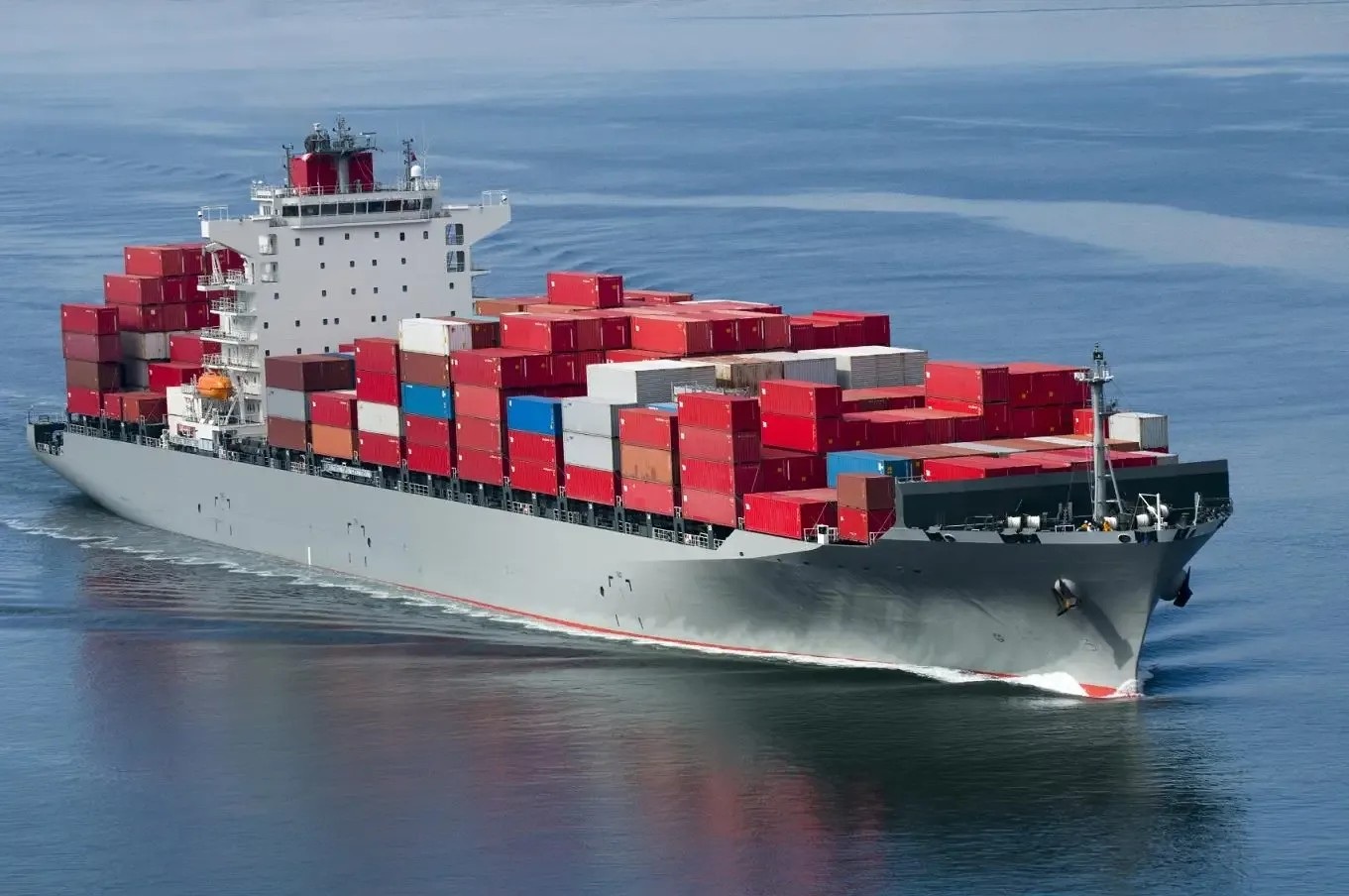
Previously, the customer mainly used ocean freight for equipment imports. The entire sea journey from Germany to Guangzhou took more than 30 days, plus customs clearance at the destination port and inland transportation, it often took one and a half months for the equipment to arrive at the factory. For a project like a production line upgrade with a clear schedule, the ocean freight cycle seemed long and difficult to control—shipment delays, port queuing, and multiple customs clearance procedures; any issue at any node would cause delays. What the customer needed was an import channel that could compress the overall cycle and ensure smooth, controllable customs clearance, truly keeping the "equipment arrival time" in their own hands.
Key Challenges
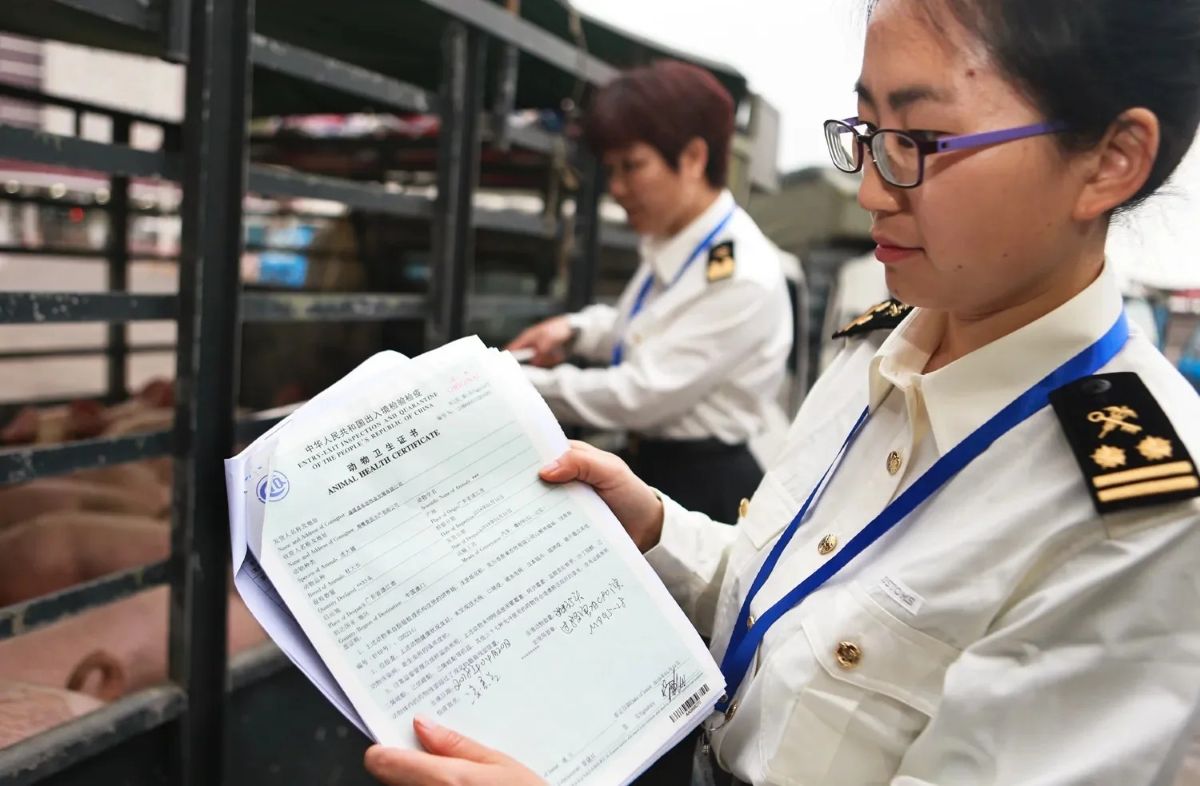
The customs declaration was rejected and revised once, and then it ran into the queue for inspection at the destination port. The entire customs clearance process took nearly two extra weeks, causing the equipment to arrive at the factory far later than expected and forcing the production line renovation to be postponed. This experience made the customer realize: the time black hole for imported equipment is often not the ocean shipping itself, but the customs clearance process—getting the documents right and hitting the milestones precisely matters more than anything else.Transport Requirements
- Route: Frankfurt, Germany (FRA) → Guangzhou Baiyun (CAN), direct import air freight (flight time approx. 12 hours); after arrival, customs clearance and pickup, then delivery to the Guangzhou factory.
- Cargo: Complete production line equipment and supporting components (non-dangerous goods), imported in multiple batches.
- Lead time: Total import lead time approx. 6 days (pickup in Germany + air freight 1–2 days + customs clearance at port 1–2 days + pickup and delivery 1 day), about 80% shorter than sea freight.
- Customs clearance requirements: Pre-review of documents, one-time accurate declaration elements; confirm 3C certification/import license requirements for specific equipment.
- Warehousing node: Complete customs clearance and pickup within the 48–72 hour free storage period after arrival to avoid excess storage fees.
- Delivery-to-factory requirement: After pickup, deliver to the Guangzhou factory, aligned with the installation and commissioning schedule.
For customers, the "lead time" of imported equipment is not just "the plane flies fast" but the controllability of the entire chain from "overseas shipment to equipment arriving at the factory": Air freight compresses the flight time, but whether customs clearance can be compressed in sync and whether documentation can be done correctly the first time determine whether the total cycle can truly be reduced. What customers need is a one-stop import air freight service—from pickup in Germany and air freight booking, to customs clearance in Guangzhou and delivery to the factory, with the entire process connected by one service provider.
Solution
Bofeng provides clients with a one-stop solution of "import air freight + document pre-review + fast customs clearance," connecting the entire import chain from factories in Germany to the production line in Guangzhou:
- Door-to-door pickup in Germany + air freight booking to shorten transit time: Equipment is picked up centrally from various suppliers in Germany, then booked and shipped from Frankfurt, with direct flights to Guangzhou (approx. 12 hours flight time). Import air freight compresses international shipping time from 25-30 days by sea to 1-2 days, which is the main source of total cycle time reduction;
- Document pre-review to get declaration elements right in one go: Before shipment, Bofeng pre-reviews documents such as invoices, packing lists, AWB, contracts, and certificates of origin, checking that item names, quantities, amounts, and HS code elements are consistent, and confirms in advance access requirements such as 3C certification and import licenses for the equipment. Document issues are resolved before shipping, so there will be no rejection upon arrival due to inconsistent information. For the complete import customs clearance process and document requirements, see Import Air Freight Operation Guide: Arrival, Customs Clearance, and Pickup;
- Fast document exchange, customs declaration, and tax payment upon arrival, with customs clearance and pickup within 48 hours: After the goods arrive in Guangzhou, exchange documents promptly with the arrival notice and ID, simultaneously file customs declaration and pay taxes, completing customs clearance and pickup within the 48-72 hour free storage period to avoid overtime storage fees. Air imports do not require original bills of lading for document exchange and pickup (AWB is not a document of title), and the procedures are simpler and faster than sea freight. For the MAWB/HAWB structure and application of AWB, see Air Waybill (AWB) Complete Guide;
- Inspection cooperation and exception handling: In the event of customs inspection, Bofeng cooperates with the inspection and provides supplementary explanations, shortening inspection time in line with the principle of "machine inspection first, minimal manual opening"; with accurate declaration elements, the probability and duration of inspection are controllable. For equipment names being imported for the first time, communicate with customs in advance on classification to avoid rejection due to unclear classification;
- Pickup and delivery + plant arrival coordination: After customs release, pick up goods from the cargo station and deliver them to the Guangzhou factory, coordinating with the customer's equipment installation and commissioning schedule. Once delivered to the plant, installation can begin immediately, with no extra time spent in logistics;
- Unified management of multi-batch imports: The customer's equipment is imported in multiple batches. Bofeng manages the arrival, customs clearance, and pickup milestones by batch, so the status of each batch is traceable and the overall project progress remains controllable. The customer only needs to provide basic information, and Bofeng handles the coordination of all stages. For the overall service scope of import business, see International Air Freight Service Introduction.
The core of this solution is to remove the "time black hole" of imported equipment from the customs clearance stage: air freight shortens the shipping route, document pre-review shortens customs clearance, and storage milestones are precisely controlled to avoid extra costs. For customers, imported equipment changes from "not knowing when it will arrive" to "customs clearance arranged upon arrival and delivery to the plant within days," putting the pace of production line transformation back in their own hands.
Results
After cooperation, the cycle time and customs clearance performance of the customer's equipment imports improved significantly—total import lead time was reduced from about 35 days by sea to about 6 days by air (a reduction of about 80%), and the document rejection rate fell by about 60%:
| Metric | Sea import (before cooperation) | Air import (after cooperation) | Improvement |
|---|---|---|---|
| Total import lead time (shipment → arrival at factory) | About 35 days | About 6 days | Reduced by about 80% |
| Customs clearance release time | 2-3 days | 1-2 days | About 40% faster |
| Document rejection rate | Relatively high | Down by about 60% | Document pre-review |
| Coordination of equipment arrival with production startup | Often delayed | On-time arrival rate about 95% | Controllable pace |
Data statement: The above are case data (data as of July 2026, based on actual import batches during the cooperation period), reflecting the performance of this specific case during the cooperation period and not constituting a service commitment; this case is desensitized and adapted from actual carriage experience, and customer information has been withheld as authorized.
Quantitatively: ① total import lead time was shortened from about 35 days by sea to about 6 days by air, a reduction of about 80%; the compressed air transit time was the main reason, and faster customs clearance further reduced the time after arrival at port; ② customs clearance release time was compressed from 2-3 days to 1-2 days (about 40% faster), and document pre-review enabled declarations to be done correctly the first time; ③ the document rejection rate fell by about 60%, and pre-review before shipment intercepted most rejection risks; ④ the coordination between equipment arrival and installation and commissioning plans became smoother, with about 95% of arrivals on schedule, and no longer delayed by logistics. For the customer, the time window for production line renovation is controllable again, and the value of earlier production startup far outweighs the freight cost difference between air and sea.
Data definitions: total import lead time is based on the actual number of days from overseas dispatch to receipt at the Guangzhou factory; customs clearance release time is based on the actual time from arrival at port to customs release; document rejection rate is based on the proportion of rejected/corrected declarations among customs declaration batches; on-time arrival rate is based on the proportion of batches whose actual arrival time matched the plan.
The scope of applicability also needs to be explained: air import is suitable for high-value, time-sensitive equipment and components, with an ideal single shipment weight from hundreds of kilograms to several tons; when large complete equipment sets are too bulky, they can be disassembled for separate air shipments or partially shipped by sea; bulk or low-time-sensitivity supplies are still shipped by sea to reduce costs. Import clearance is subject to actual declarations and customs requirements; specific equipment (3C, import licenses, etc.) must have access requirements confirmed before shipment. This case takes Germany→Guangzhou as a typical scenario; Bofeng Air Import also covers major global air hubs (Frankfurt, Amsterdam, Hong Kong, Singapore, etc.) to various ports in the Pearl River Delta.
The two parties' cooperation has entered its second year, and the above data are case records of actual import batches from the past 12 months.
Client Testimonial
“Previously, equipment was imported by sea, taking a month and a half to reach the factory, and production line renovations were always delayed. Now we import by air—from picking up in Germany to customs clearance in Guangzhou and installation at the factory, it’s done in about a week. The documents are all pre-reviewed, so goods can be cleared and picked up as soon as they arrive at port, with no delays. The equipment goes into production earlier, and no matter how you calculate it, this deal is cost-effective.”
— Bofeng Logistics · International Air Freight customer feedback (published with authorization and anonymized)
Need a similar logistics solution? Contact us — a plan within 30 minutes.
Phone:13075678958 | WhatsApp:+86 13075678958 | Email:info@zhbfwl.com
Get a Quote