Client Background
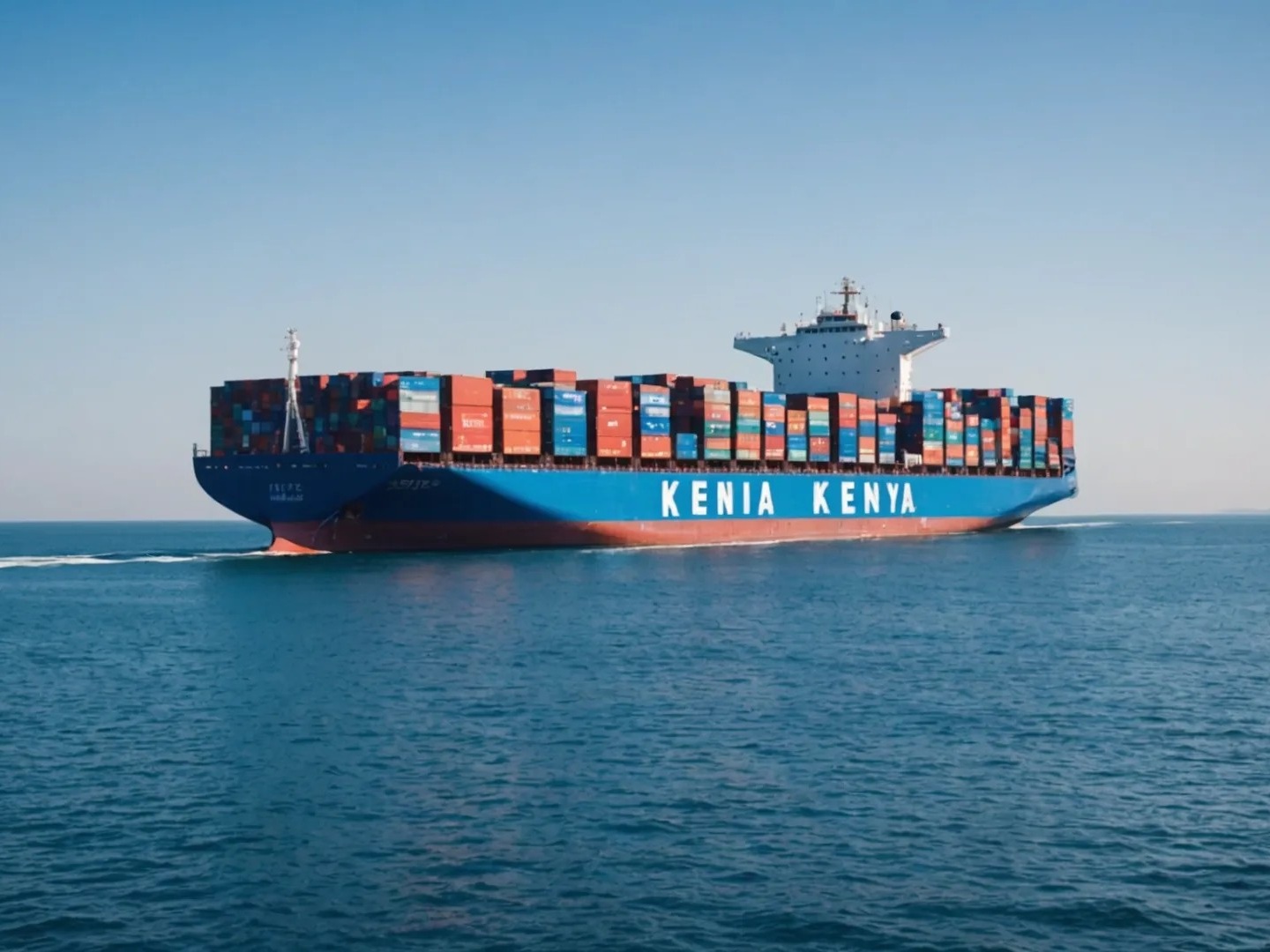
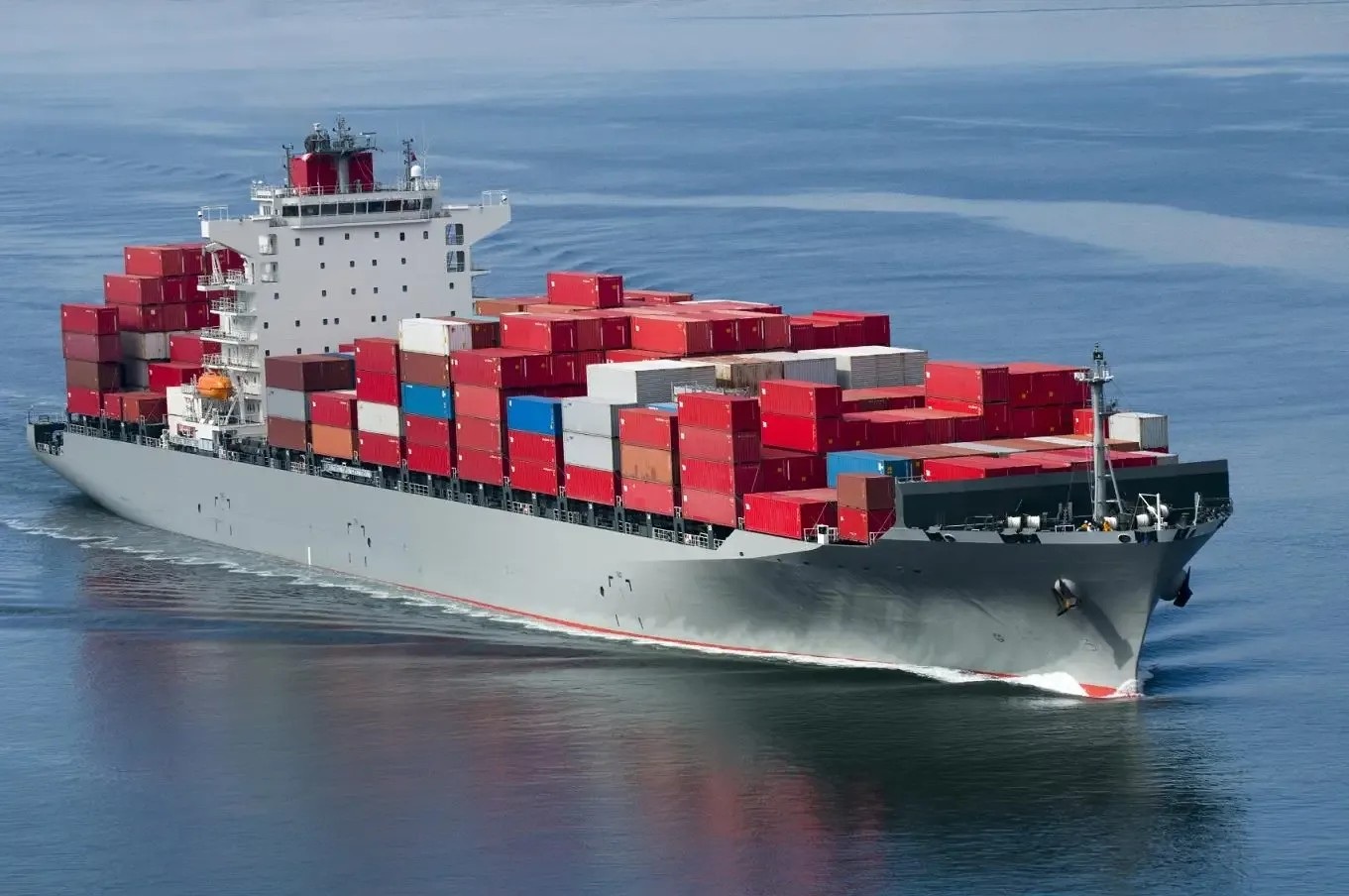
A manufacturing enterprise in East China, due to capacity expansion, purchased a batch of large processing equipment from the United States, imported it by sea in full containers to Shanghai Port, and then transported it to the factory for installation and commissioning. The operational logic of equipment import is different from general trade export: this is a reverse chain — overseas container loading, sea import, customs clearance at the destination port (China), and container pickup to the factory, of which the import customs clearance step is the most critical.
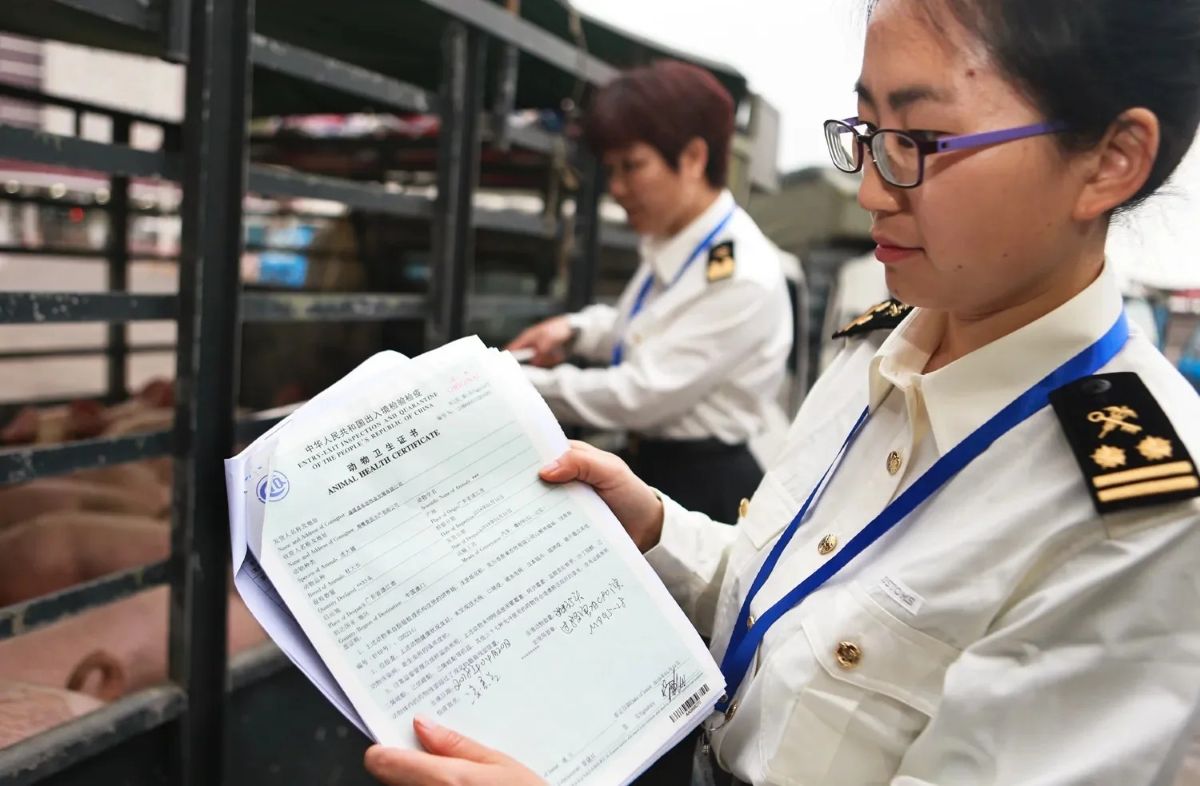
The characteristics of equipment import are "multiple documentation requirements and high compliance thresholds": import declaration involves contracts, invoices, packing lists, certificates of origin, and documents related to mechanical and electrical products; some equipment also involves regulatory conditions or inspection requirements. At the same time, equipment value is concentrated, and the arrival time at the factory affects the production line commissioning schedule; delays in customs clearance and transportation will directly postpone the commissioning progress. The client previously handled imports on their own, was unfamiliar with declaration specifications, had to supplement documents multiple times, faced queues in customs clearance, and the arrival at the factory was repeatedly delayed.
For enterprises, the core demands of importing full containers are "smooth customs clearance and accurate arrival": equipment customs clearance is compliant and smooth, and after arrival at the port, containers are quickly picked up and delivered to the factory, allowing the production line to be commissioned as planned. This is exactly why the client entrusted a professional import service provider to coordinate.
Key Challenges
htmlThe challenges under the old model centered on four areas:
- Frequent supplementary submissions of import documents: Equipment import declarations involve many fields (product name, model, intended use, origin, technical parameters, etc.). Previously, when handling it in-house, the documents were not standardized, and the customs broker repeatedly requested additional information, slowing down the customs clearance process.
- Unfamiliarity with regulatory requirements: Some imported equipment involved regulatory conditions or inspection requirements. Previously, it was only discovered at the time of declaration that the certificates and documents were incomplete, and last-minute supplementary procedures delayed shipping schedules and customs clearance.
- Loose coordination between customs clearance and container pickup: The stages of port clearance, tax payment, release, container pickup, and transportation were handled separately, without tight coordination, resulting in extended dwell time after equipment arrived at the port.
- Unpredictable arrival time at the factory: Production line launch plans depended on equipment arrival times. Previously, a clear arrival date could not be provided, affecting production scheduling.
Among these challenges, document compliance and arrival time at the factory were the two that customers cared about most — for equipment imports, "a hiccup in customs clearance means the production launch is delayed by a week." The certainty of timing directly affects production line planning.
Transport Requirements
- Route: Los Angeles, USA → Shanghai port, full container ocean import, delivery to factory (after customs clearance, pick up container and transport to factory);
- Cargo volume: This batch: 3 x 40HQ (delivered to factory in phases), with subsequent increases following the pace of production line expansion;
- Lead time: 15-20 days after loading to arrive at port; after arrival, customs clearance, and container pickup and delivery to factory completed within 5-7 days;
- Customs declaration: Import declaration (general trade); equipment documents (contract, invoice, packing list, certificate of origin, mechanical/electrical related documents) pre-reviewed, and commodity inspection/supervision conditions confirmed in advance;
- Special requirements: Overall coordination of import customs clearance, with dedicated personnel following up on inspections; after customs clearance, container pickup, transportation to factory, unloading and positioning; provide estimated arrival timelines at the factory;
- Settlement and insurance: Import operation fees settled per container with clear billing; ocean freight segment covered by insurance.
The client's core need is "smooth customs clearance and reliable factory delivery": equipment clears customs compliantly and quickly, factory arrival time is clear, and production line commissioning is not delayed by logistics.
Solution
Bofeng customizes a full-container import solution for customers that integrates "document pre-review + import clearance coordination + delivery-to-factory handover":
- Import document pre-review: The customs declaration team pre-reviews all import documents before arrival — contract, invoice, packing list, certificate of origin, and mechanical/electrical related documents are checked item by item; product name, model, intended use, and origin declarations are standardized; missing documents are prepared in advance; commodity inspection / regulatory conditions are confirmed upfront, avoiding repeated supplementation after arrival;
- Import clearance coordination: Declaration preparation is completed before arrival, the declaration is filed as soon as the vessel arrives, and dedicated personnel follow up on tax payment and release; if inspection is involved, inspection materials are prepared in advance and dedicated personnel are present on site to cooperate, reducing inspection time;
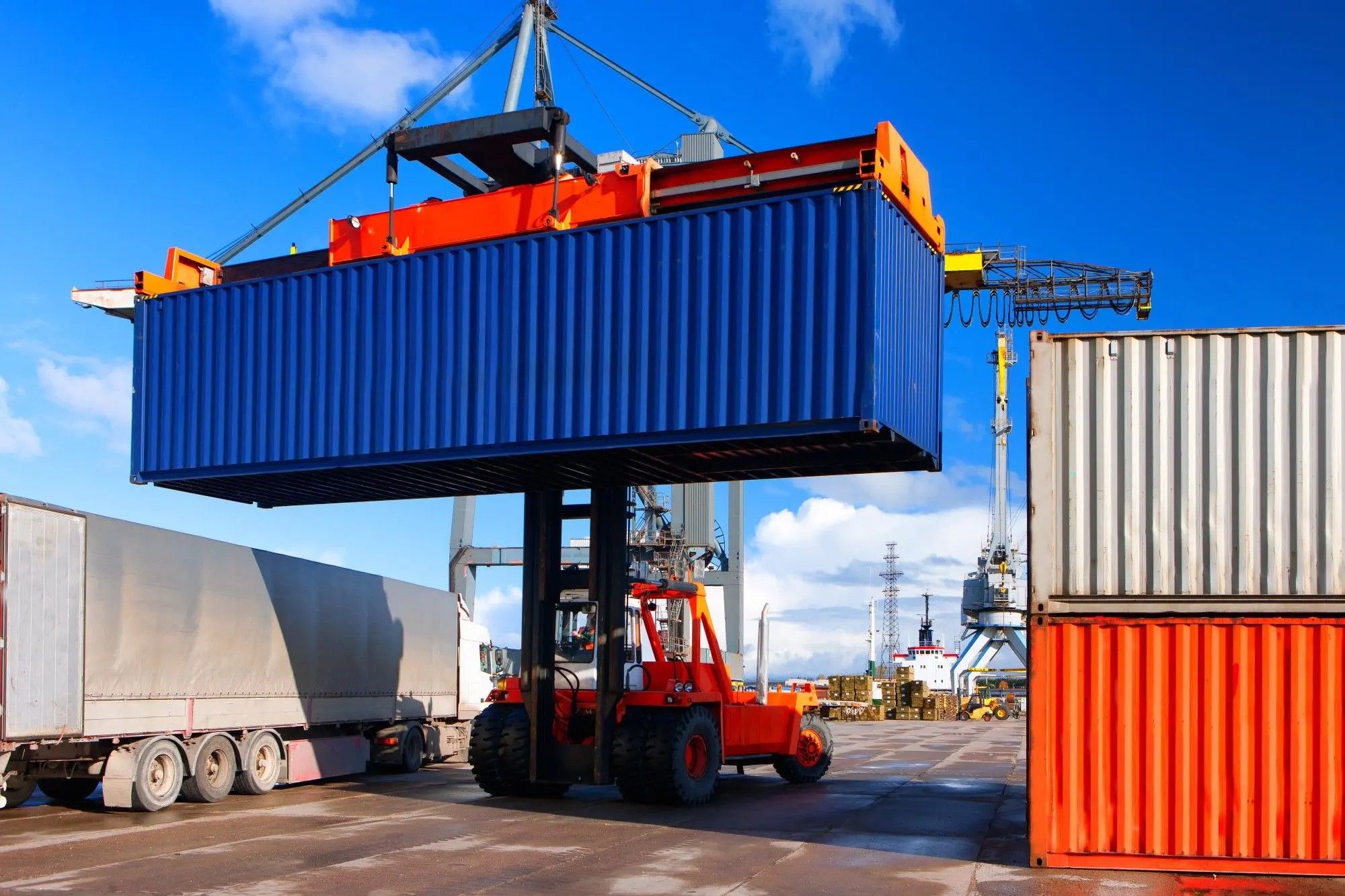
- Container pickup and factory delivery handover: After customs clearance and release, arrange container pickup, transport to the factory, and unload into place; the estimated arrival time is provided to the customer in advance, giving production line scheduling a reliable basis;
- End-to-end visibility: The system synchronizes the status of each milestone — sailing, arrival, declaration, release, container pickup, and factory delivery; anomalies trigger automatic alerts with dedicated personnel following up. For a full picture of import ocean shipping operations, see China–U.S. International Ocean Freight Logistics Line and Direct Ship vs Transshipment Route Selection Guide.
This solution links "documents, declaration, release, container pickup, and factory delivery" of full-container imports into one standard chain: the customer provides the purchase contract and basic information, while Bofeng handles the entire process from declaration preparation to equipment arrival at the factory. For customers, equipment import shifts from "self-handling and getting stuck" to "one order to the end, with every milestone traceable."
Results
| Indicator | Self-handled (Before Cooperation) | Entrusted to Bofeng (After Cooperation) | Improvement |
|---|---|---|---|
| Import customs clearance time | Baseline | Reduced by 25% | Document pre-review |
| Inspection abnormality rate | 18% | 5% | Standardized declaration |
| Port arrival to plant arrival time | Baseline | Compressed to 5-7 days | Tight handover |
| Predictability of plant arrival time | Difficult to predict | Day-level milestones | Transparent process |
Data Statement: The above is case-specific data (data as of July 2026, based on actual import batches during the cooperation period), reflecting the client's performance in this case during the cooperation period and does not constitute a service commitment; this case is adapted from actual shipping experience with anonymization, and client information has been redacted as authorized.
After the cooperation, import documents are pre-reviewed before the goods arrive at port, so the customs clearance process no longer requires repeated document submissions, and import customs clearance time is shortened by about 25%. With standardized declarations, the inspection abnormality rate dropped significantly, making inspection responses manageable. After customs release, container pickup and delivery to the plant are tightly coordinated, and equipment arrives at the plant within 5-7 days. Arrival times are given as clear milestones in advance, turning production line launch scheduling from "unpredictable" into "plannable." Equipment arriving in phases is also followed up batch by batch under the same process, allowing the production line expansion to proceed smoothly.
The value of this solution is that it front-loads the documentation and customs clearance steps most likely to cause bottlenecks in equipment import, with dedicated coordination, turning full-container import from "busy only after arrival at port" into "fully prepared before the ship sails." For companies with similar equipment import needs who are troubled by customs compliance and plant arrival timelines, this combination of "document pre-review + customs clearance coordination + plant arrival handover" is worth referencing. This solution is suitable for manufacturing enterprises that import equipment and value customs compliance and plant arrival milestones; for smaller import volumes or samples, LCL or express shipping options can be evaluated.
The two parties have entered the second year of cooperation, and the above data is a record of individual cases from 12 consecutive months of imports.
Client Testimonial
"Previously, when handling imports ourselves, we had to repeatedly supplement documents, always queue for customs clearance, and the equipment arrival time was completely unpredictable, making production line scheduling very passive. Now the documents are reviewed before the goods arrive at the port, customs clearance is smooth, the arrival time is clear, and the production plan can be scheduled in advance. It saves so much worry."
— Customer feedback from Bofeng Logistics International Shipping (published with authorization and anonymized)
Need a similar logistics solution? Contact us — a plan within 30 minutes.
Phone:13075678958 | WhatsApp:+86 13075678958 | Email:info@zhbfwl.com
Get a Quote