Client Background
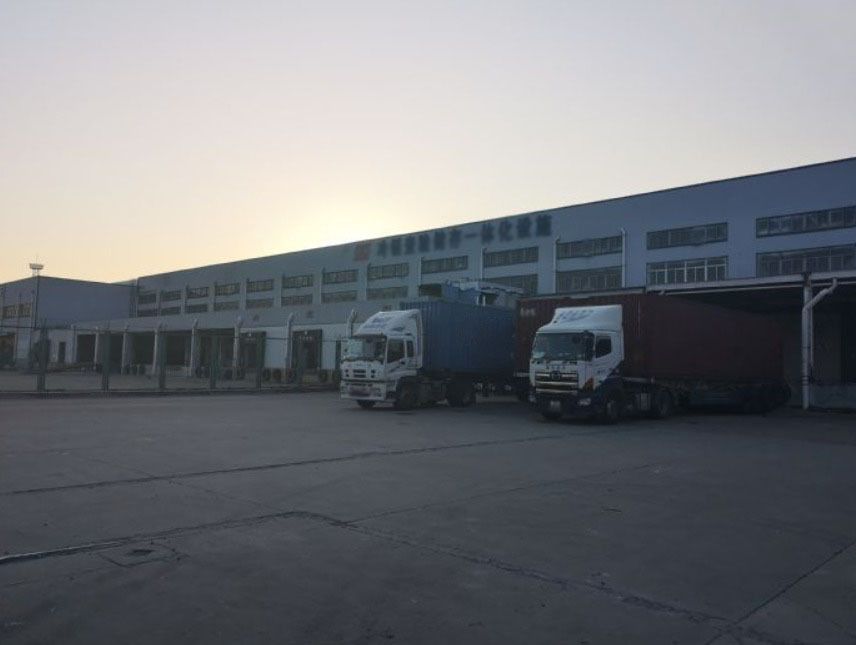
A chemical trading company in Shenzhen, mainly engaged in the distribution of ordinary chemical raw materials, serving downstream manufacturers in Hong Kong and the Pearl River Delta. Its products mainly include surfactants, water-based additives, resin intermediates, etc. These raw materials are all ordinary chemicals, not dangerous goods, and are declared and transported as general cargo. They are supplied to factories in Hong Kong's daily chemical, coatings, plastics and other industries. The company sources mainly from domestic chemical parks. After goods arrive at the Shenzhen transit warehouse, they are shipped in batches to Hong Kong warehouses according to Hong Kong customers' orders, and the Hong Kong warehouse then arranges subsequent delivery.
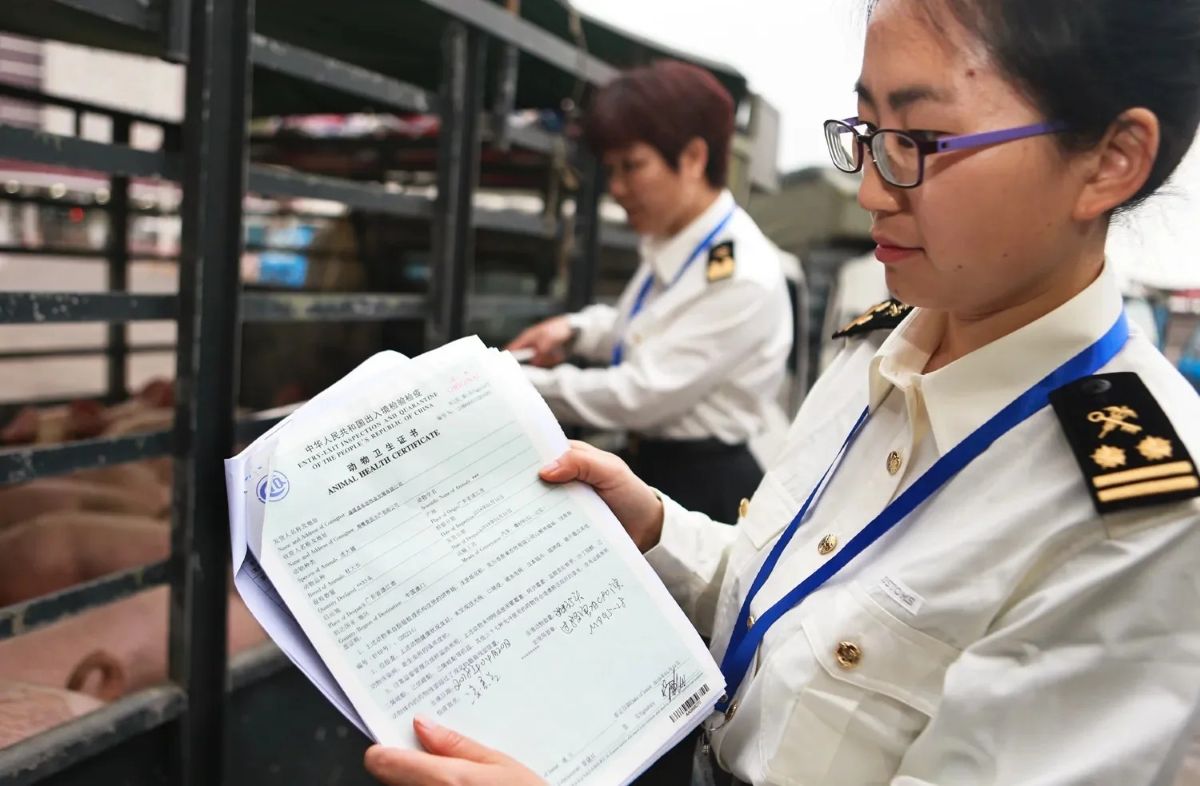
Although chemical raw materials are not classified as dangerous goods, there are still clear compliance requirements for transportation: the declared product names must be truthful, the ingredients must be consistent with the actual goods, packaging and labeling must be standardized, and documents such as MSDS (Material Safety Data Sheets) must be kept with the shipment for inspection. These requirements may seem routine, but in practice omissions can easily occur—especially when the same batch contains multiple raw materials, the documents provided by different suppliers are in different formats, and customer orders are urgent, the completeness and consistency of declaration documents are easily overlooked.
The customer's downstream clients are mainly factories in Hong Kong's daily chemical, coatings, and plastics industries. These factories have relatively stable production schedules and high requirements for timely arrival of raw materials. Production and compounding of chemical raw materials depend heavily on batch continuity. If raw materials arrive one day late, downstream production lines may be halted or production plans temporarily adjusted. Therefore, Hong Kong customers demand not only "correct goods" but also "on-time delivery"—and this is precisely what fragmented logistics could not reliably deliver in the past.
Previously, the customer entrusted declaration document management to scattered logistics resources. Due to insufficient familiarity with the declaration procedures for ordinary chemicals, problems frequently occurred in the declaration process. As Hong Kong customers increasingly raised requirements for suppliers' compliance capabilities, the company decided to switch to a China-Hong Kong logistics service provider familiar with ordinary chemical declaration, incorporating declaration standards and data management into daily processes rather than fixing problems only after they arose. Changing service providers was only the first step; more importantly, it was necessary to establish a mechanism that allows declarations to be "done right the first time." This is precisely why the customer ultimately chose to cooperate with Bofeng.
Key Challenges
- Incomplete declaration documents: Some batches lacked MSDS, or the MSDS did not match the actual ingredient descriptions. For chemical raw materials, the product name stated may sometimes differ between trade terminology and actual ingredients. If not checked in advance before declaration, it is easy to be questioned during random port inspections;
- A port inspection delay: Once, a batch of water-based additive raw materials in a relatively large quantity was inspected at the port on the day of shipment because the declared product name was not consistent enough with the actual goods description. The original logistics provider only looked for the documents at the last minute. The inspection that day lasted from morning to afternoon. The logistics provider hastily contacted the supplier to obtain the ingredient description, and the documents were passed back and forth among multiple parties, which wasted considerable time. By the time the release confirmation came through, the customs clearance window for that day had already been missed. The goods were held up and did not arrive at the port until the next day, directly affecting the Hong Kong customer's production schedule for that week. The client was explaining to the Hong Kong customer while pushing the logistics provider to supplement the documents, and the whole process was very passive. This batch was ordinary chemical products, not dangerous goods, and did not involve dangerous goods declaration procedures. The problem lay in the consistency of the declaration documents;
- Non-standard packaging labels: Labels, product names, and batch number markings on drum-packed and bag-packed raw materials were sometimes missing. Both the port and the warehouse had to repeatedly confirm during inspections, affecting release efficiency;
- Scattered records difficult to retrieve: MSDS and declaration documents were scattered across different batches without unified archiving. Once historical documents needed to be retrieved, the search cost was high, and it was also difficult to respond promptly to port requirements;
- Timeliness concerns: Once chemical raw materials are delayed at the port, it directly affects the Hong Kong customer's production. The client company is both worried about timeliness and lacks effective means to respond to inspections.
This inspection experience made the client realize that the transport risk of ordinary chemical products lies not in the goods themselves, but in the degree of standardization of declarations and documentation. When documents are complete and declarations are accurate, customs clearance goes smoothly; when documents are disorganized and declarations are vague, the goods may get stuck at the port, and one delay can affect the entire week's delivery schedule.
Transport Requirements
- Route: Shenzhen transit warehouse → Hong Kong warehouse, door-to-port delivery;
- Volume: 2-3 batches per week, 5-20 pallets/drums per batch, increasing to one batch per day during peak season;
- Timeliness: Pick up on the same day, arrive at the port by the next morning; reserve buffer time for customs inspection to avoid affecting that week’s delivery;
- Cargo attributes: Ordinary chemical raw materials (non-dangerous goods), declared and transported as ordinary cargo, no dangerous goods declaration process involved;
- Documentation requirements: Each batch is accompanied by an MSDS, with the product name, composition, and packaging labels consistent with the actual goods;
- Loading requirements: Chemical raw materials and ordinary goods are loaded in separate areas and not mixed with food or beverages;
- Billing method: Billed by shipment/cubic volume; declaration document verification is included in the standard service process, with no additional hidden fees.
What customers care about most is not “cheapness,” but “standardized declaration + complete documentation + controllable delivery time” — only when all three are done well will Hong Kong customers confidently hand over their orders.
Solution
Bofeng has designed an integrated solution for clients combining "pre-declaration review + MSDS archives + inspection coordination," turning the compliance requirements for chemical raw material transport into a standardized process:
- MSDS archive management: Establish an independent MSDS file for each product category, with unified collection, review, and archiving, available for inspection alongside the goods; update synchronously when information changes to maintain consistency between goods and documents. The client only needs to provide the information once, and subsequent shipments of the same category can reuse it without resubmitting for each batch;
- Pre-shipment declaration review: Before each batch is shipped, review the declaration content item by item according to product name, composition, packaging, and labels, compare the consistency between the MSDS and the actual goods, correct any issues on the spot, and intercept declaration errors before shipment rather than discovering them during port inspection;
- Packaging and loading standards: Drummed and bagged raw materials must have secure seals and clear labels (product name, batch number, quantity). During loading, chemical raw materials are loaded in separate areas from ordinary goods and not mixed with food or beverages, to avoid cross-contamination and label confusion;
- Inspection coordination mechanism: For random port inspections that ordinary chemical products may encounter, establish a rapid-response process—prepare electronic MSDS, composition descriptions, and declaration documents in advance. Once an inspection notice is received, provide supplementary materials immediately and cooperate with the port to complete the inspection, reducing detention time. The solution also defines communication rules: proactively keep the client updated on progress during inspections, without concealment or delay, so the client has a reliable basis for expected arrival in Hong Kong;
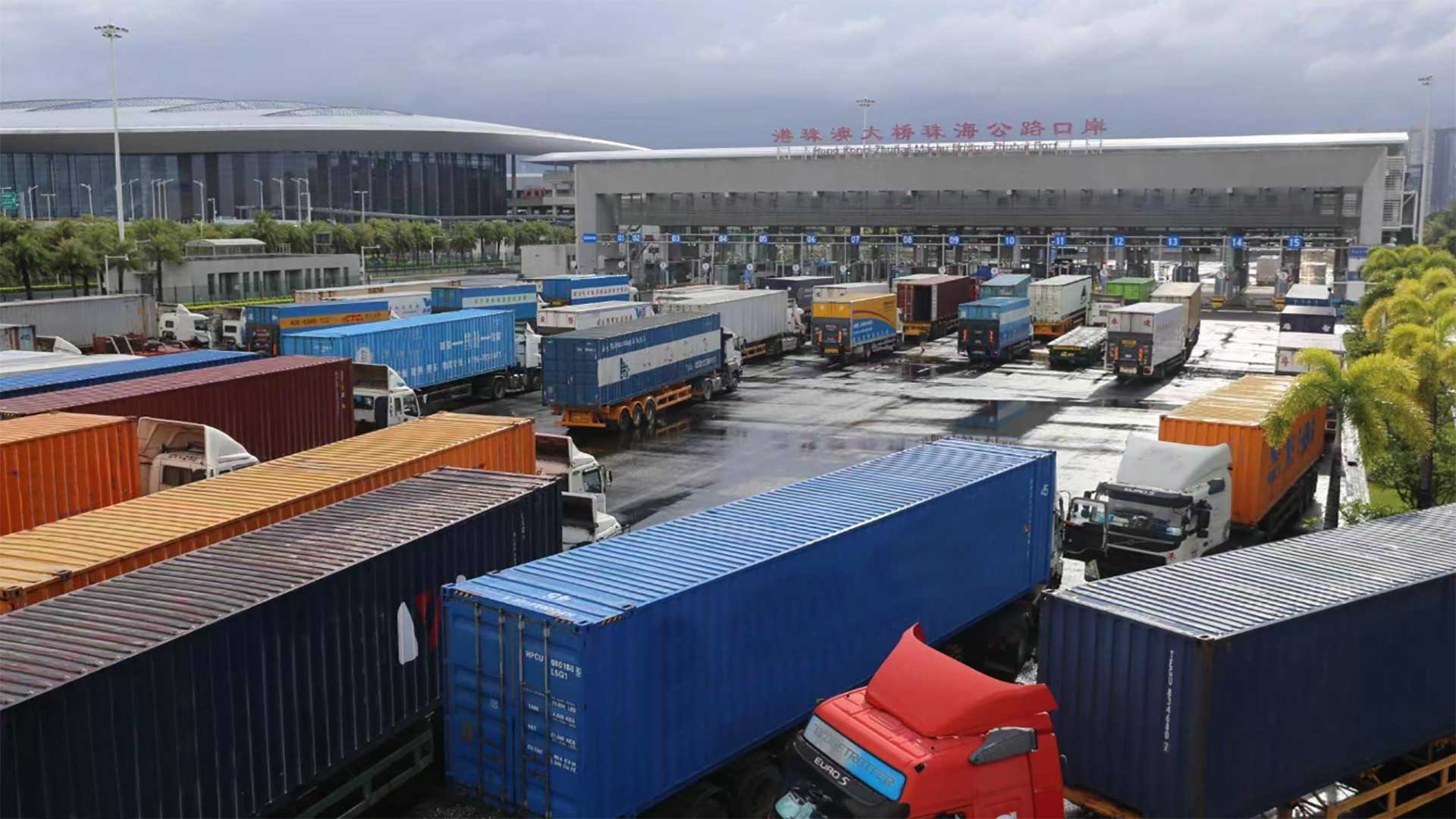
- Fixed shuttle service and mature port: Use the fixed shuttle service at Shenzhen Bay Port for customs clearance, which has a mature clearance process and stable electronic declaration. Shenzhen Bay Port has extensive experience in declaring and inspecting ordinary chemical products. Departure times are also arranged to avoid peak hours, allowing buffer for possible random inspections. Even if an inspection occurs, the rhythm of arrival in Hong Kong the next morning can usually be maintained;
- Transparent ledger and reconciliation: Declaration records, MSDS archives, and inspection handling for each shipment are uniformly recorded, with monthly reconciliation on a per-shipment basis. The client can access historical information at any time.
Take the routine process after cooperation as an example: before each shipment, the client provides a list of product names for the batch, and Bofeng checks the declaration content item by item against the MSDS archives. After confirming consistency, pickup is arranged. When the goods arrive at the Shenzhen transit warehouse, label verification and zoned loading are completed, then they exit through the fixed shuttle at Shenzhen Bay Port. In the event of a random inspection, the port coordination specialist submits electronic documents immediately upon receiving the notice and cooperates with on-site inspection. The entire process has clear milestones from pickup to release, so the client does not need to search for documents at the last minute during an inspection.
The core logic of the solution is "doing compliance ahead of time": preparing documents in advance, checking declarations in advance, and planning for contingencies in advance, turning port inspections into "predictable occasional events" rather than "disruptive surprises." For clients, chemical raw material transport now has a reusable, standardized process, which in turn increases Hong Kong clients' trust in suppliers.
Results
| Metric | Original Logistics Provider (Before Cooperation) | Bofeng Solution (After Cooperation) | Improvement |
|---|---|---|---|
| Declaration Document Completeness Rate | Incomplete batches | Full-batch pre-review | Improved document completeness |
| Declaration Errors/Amendments | Occasional occurrences | Significantly reduced | Lower error rate |
| Average Port Inspection Detention | Starting from half a day | Significantly shortened | Faster inspection coordination |
| Arrival Timeliness | Fluctuates due to inspections | Usually released quickly after inspection | Improved certainty |
| Ledger Management | Scattered and hard to trace | One file per product | Clear and traceable |
Data Statement: The above is case-specific data (as of July 2026), reflecting the performance of this particular client during the cooperation period, and does not constitute a service commitment.
After cooperation, the client clearly felt that the declaration process had become "smoother": documents were complete, declarations were accurate, the rate of port inspections decreased, and even when spot checks occurred, supplementary materials could be provided within a relatively short time to complete release, keeping arrival timeliness stable. Hong Kong clients' evaluations of delivery punctuality improved, and they were willing to entrust more product categories to this company. For the client company, the biggest change was "feeling confident" — previously they feared receiving calls from the port, but now every batch's documents are prepared in advance, and inspections no longer make the entire team nervous. When renewing the contract, the client made MSDS files and declaration pre-review a fixed part of the cooperation, and is considering replicating the same standardized process to distribution business bound for Macau.
For the client, the significance of this solution goes beyond transportation itself: the accumulated MSDS files and declaration records have become part of the company's compliance capabilities. When taking on new Hong Kong clients in the future, the company can directly present a complete ledger of declaration documents to demonstrate its compliance management level, which also helped in the supplier evaluations of new clients. In other words, standardizing declarations upfront not only brings smooth customs clearance every time, but also creates reusable competitiveness.
The experience of transporting general chemical products can be summed up in one sentence: for dangerous goods, look at "qualifications"; for non-hazardous chemicals, look at "documents." As long as MSDS is well-managed, declarations are accurately approved, and inspection contingency plans are fully prepared, China-Hong Kong transportation of general chemical raw materials can be stable, compliant, and predictable.
The two parties' cooperation has entered its second year. The above data are case records of weekly scheduled shipments during the cooperation period.
Client Testimonial
"In the past, I was most afraid of calls from the port; there was no time to find the documents. Now, before each shipment is dispatched, Bofeng helps us check the documents, MSDS is well archived, and there is dedicated personnel to coordinate inspections. Delivery to Hong Kong customers has been very stable."
— Bofeng Logistics · Hong Kong logistics dedicated line customer feedback (published with authorization and desensitized)
Need a similar logistics solution? Contact us — a plan within 30 minutes.
Phone:13075678958 | WhatsApp:+86 13075678958 | Email:info@zhbfwl.com
Get a Quote