China-Hong Kong cargo logistics, also known as Hong Kong cargo logistics and China-Hong Kong logistics, refers to logistics services between Mainland China and the Hong Kong Special Administrative Region. The following introduces a comprehensive operational process for China-Hong Kong cargo logistics, covering the entire logistics flow from cargo preparation, selection of transportation modes, customs declaration and clearance procedures, to final delivery.
I. Cargo Preparation and Packaging
- Cargo Inspection: Ensure all goods comply with import and export regulations of both Mainland China and Hong Kong, with no prohibited or restricted items.
- Packaging Standards: Select appropriate packaging materials based on the nature of the goods to ensure safety during transport, and attach clear labels including sender and recipient information, cargo description, weight, volume, etc.
II. Selection of Transportation Mode
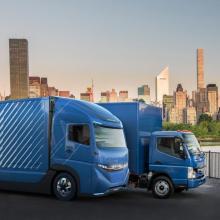
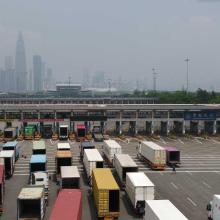
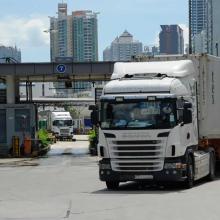
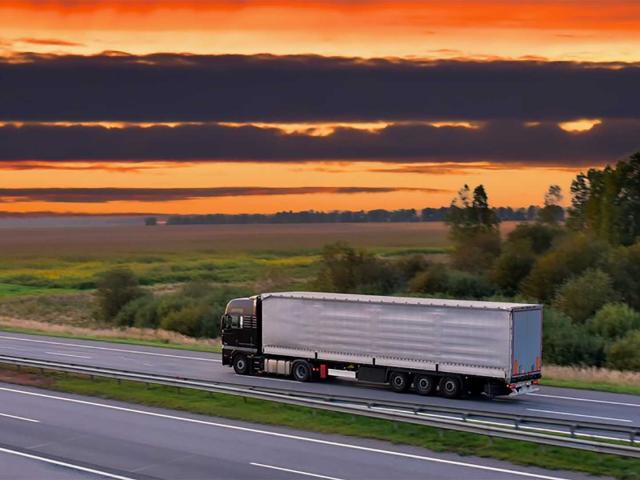
- Land Transport: The most common method, including truck transport, suitable for various types of loose cargo and full container loads, primarily passing through Shenzhen or Zhuhai ports.
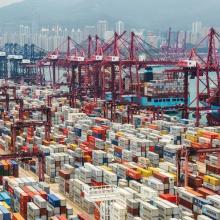
- Sea Freight: Ideal for large-volume, low-value goods, transported from various domestic container freight ports to Hong Kong ports.
- Air Freight: Suitable for high-value, urgent goods, flown directly to Hong Kong from cities such as Shenzhen, Guangzhou, Shanghai, Beijing, and Nanjing—fast but with higher costs.
- Courier: Appropriate for small batches, documents, and samples, offering door-to-door service, fast but with relatively high fees.
III. Customs Declaration and Clearance Process
- Mainland Customs Declaration: Before shipment, export customs declaration must be handled in China, providing documents such as commercial invoices, packing lists, and export licenses.
- Transit Transport: When goods pass through designated ports, they must clear Mainland and Hong Kong customs, possibly involving seamless transfer arrangements.
- Hong Kong Customs Clearance: Upon arrival in Hong Kong, the logistics company handles import clearance on behalf of the client, including paying Hong Kong taxes, cargo weighing fees, inspection fees, etc.
- Special Cargo Handling: For goods requiring special permits or inspection and quarantine, relevant documents must be prepared in advance and specific procedures followed.
IV. Warehousing and Distribution
- Hong Kong Warehousing: Some logistics companies provide warehousing services in Hong Kong for temporary storage.
- Distribution Services: After clearance, based on customer requirements, goods can be delivered directly to a Hong Kong local address or transshipped globally via Hong Kong.
V. Fees and Pricing
- Basic Fees: Include truck fees, agency customs declaration fees, clearance fees, taxes, cargo weighing fees, etc.
- Additional Fees: Such as miscellaneous charges, depending on the specific service content.
- Pricing Method: Generally calculated based on cargo weight, volume, vehicle type, and collection/delivery addresses; different logistics companies may have varying charge standards.
VI. Risks and Precautions
- Compliance: Strictly adhere to laws and regulations of both Mainland China and Hong Kong to avoid transporting prohibited items.
- Insurance: It is recommended to insure high-value goods against potential loss during transport.
- Timeliness: Pay attention to holidays, policy changes, and other factors to arrange logistics plans properly and avoid delays.
Bofeng Logistics specializes in providing China-Hong Kong cargo logistics, Hong Kong cargo logistics, and China-Hong Kong logistics transportation services. Contact number: 130-7567-8958
Related Logistics Services
Bofeng Logistics offers the following related services, feel free to inquire:
Knowledge Category