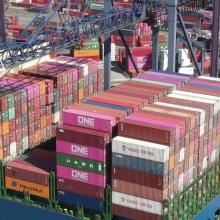

Preparations before container loading directly determine transport safety. A container that looks "almost good enough" could lead to total loss of cargo during transit.
Container loading topic series: For standard operating procedures after loading is completed, see Loading Operation Standards: Loading Sequence, Center of Gravity Control, and Lashing/Bracing; for temperature-controlled cargo, see Container Temperature and Humidity Control; for fees related to extended container usage, see Container Usage Fees and Overtime Charges.
1. Schedule before container loading
| Time point | Work item | Responsible party |
| T-10 days | Confirm shipping schedule, container type, and booking | Freight forwarder / Foreign trade |
| T-5 days | Book trailer, confirm loading time | Foreign trade / Warehouse |
| T-2 days | Prepare goods, organize documents | Warehouse / Merchandiser |
| T-0 days | Empty container arrives at factory → inspection → loading → sealing | Warehouse / Workers |
2. Empty Container Inspection SOP Checklist
After the trailer driver delivers the empty container to the factory,be sure to complete the following checks item by item before loading. If any issues are found, request a container swap on the spot. If problems are discovered after loading, the responsibility lies with the cargo owner.
2.1 Container Structure Inspection
| Inspection Item | Inspection Method | Acceptance Criteria | Action for Non-Conformance |
| Container Exterior | Visually inspect the sides and top for dents or deformation | No damage affecting structural integrity | ❌ Request container replacement |
| Container Doors | Test whether the doors open/close smoothly and the locking bars engage properly | Door opens ≥270°, locking bars not bent | ❌ Request container replacement |
| Door Gaskets | Check that gaskets are intact and have good elasticity | No cracks, hardening, or missing sections | 🟡 Can be used after replacement |
| Floor | Step on the floor to check for looseness, damage, or rot | No through-holes, no unusual sounds | ❌ Request container replacement |
| Cross Members | Visually inspect the C-channel steel for bending | No visible deformation | ❌ Request container replacement |
| Corner Castings | Check all 4 corner castings for cracks or deformation | Intact, no cracks | ❌ Request container replacement |
2.2 Cleanliness Inspection
| Inspection Item | Acceptance Criteria | Action for Non-Conformance |
| Interior Odor | No chemical, musty, or animal residue odors | 🟡 Clean and ventilate; replace container if severe |
| Residues | No leftover cargo/debris from previous shipment inside | 🟡 Request cleaning |
| Moisture/Water Stains | No visible water stains on floor panels or side walls | ❌ Replace wet container |
| Pest Traces | No insect eggs or gnawing marks (export quarantine requirement) | ❌ Request container replacement (may affect export) |
| Oil Stains | No visible oil stains | 🟡 Use after cleaning |
2.3 Watertightness Inspection
| Inspection Item | Inspection Method | Acceptance Criteria |
| Light Penetration at Door Gaps | Close the door and check from inside for light penetration around the edges | Completely dark, no light penetration |
| Water Seepage at Corner Castings | Pay special attention to the areas around the 4 corner castings on the roof | No rust/water marks |
| Ventilator Seal | (If equipped with ventilators) check that ventilators are closed | No light penetration once closed |
2.4 CSC Nameplate Inspection
| Inspection Item | Acceptance Criteria |
| Nameplate Presence | CSC nameplate is affixed to the inside of the left door and clearly legible |
| Inspection Date Validity | PES or ACEP inspection date has not expired |
| Nameplate Information Matches | Container number on the nameplate matches the actual container number |
3. Container Inspection Quick Reference (Printable Version)
The following is a quick reference used on the workshop floor. It is recommended to print it out and post it in the loading area:
┌────────────────────────────────────────────┐
│       Pre-loading Container Inspection Checklist        │
│══════════════════════════════════════════════│
│ Container No.: ______________  Type: 20GP/40GP/40HQ  │
│ Inspection Date: ______________  Inspector: __________ │
│══════════════════════════════════════════════│
│                                          │
│ □ 1. No dents or deformation on container body │
│ □ 2. Door opens/closes smoothly, locking rods intact │
│ □ 3. Seals intact and not aged │
│ □ 4. Floor free of damage and rot │
│ □ 5. No odor or residue inside │
│ □ 6. No standing water or moisture inside │
│ □ 7. No light visible when doors closed │
│ □ 8. CSC nameplate within validity period │
│ □ 9. Container number matches S/O │
│ □ 10. Vents (if any) close properly │
│                                          │
│══════════════════════════════════════════════│
│ Result: □ Pass, ready to load  □ Need container swap  □ Use after repair │
│ Remarks: __________________________________   │
└────────────────────────────────────────────┘
4. Material Preparation Before Container Loading
After inspecting the container, confirm that the following materials are in place:
| Material | Purpose | Confirmation |
| Seal | To lock the container after loading | □ |
| Inflatable bags | To fill gaps inside the container | □ Recommended: 4-8 |
| Straps / stretch film | To secure pallets and cargo | □ |
| Corner protectors | To protect carton corners | □ |
| Timber / dunnage boards | To support heavy cargo at the bottom | □ |
| Container loading plan | Loading layout (pre-drawn) | □ |
| Camera | To record the container loading process | □ |
5. Common Issues and Responses
| Issue Found | Response | Time Impact |
| Container dent (does not affect structure) | Take photo for record; may continue to use | None |
| Container dent (pressed inward) | ❌ Immediately request container replacement | Delay 1-2 hours |
| Small holes in floor | Temporarily repair with wooden board; perform formal repair after arrival at port | 30 minutes |
| Odor inside container | Ventilate for 30 minutes; spray deodorizer | 30-60 minutes |
| Container door cannot close | ❌ Request container replacement | Delay 1-2 hours |
| CSC inspection expired | ❌ Must replace container (shipping company will refuse loading) | Delay 1-2 hours |
📖 Related Reading:
- Container Loading Operation Specifications — Loading Sequence, Center of Gravity Control, and Securing/Lashing
- International Shipping Operations Manual, Chapter 19: Trailer and Container Loading Operation Specifications — Step-by-Step Operating Procedure Version
Data Notes: Inspection standards reference the IICL Container Inspection Guide and industry common operating specifications.Data as of July 2026.
Encountered a problem during container pickup and need an emergency replacement? Contact us, Bofeng Logistics will coordinate with the terminal for quick handling.
Emergency Assistance: 13075678958 | info@zhbfwl.com
FAQs for Pre-loading Container Preparation
Q: Which inspection items are most important for the container?
A: Integrity of the floor and side panels, watertightness (to prevent rainwater leakage), the door locking bars and sealing gaskets, and cleanliness and odor—these items directly determine whether the cargo can be delivered safely.
Q: What should you do if you find problems when picking up the container?
A: Reject it on the spot and take photos as evidence, and ask the depot or shipping line to replace the container. Do not force the use of a container with structural damage; otherwise, liability will be difficult to determine after cargo damage occurs.
Disclaimer: This article was compiled and written by the Bofeng Logistics team, and its content was verified in August 2026. Container specifications and cost data may be adjusted due to changes in shipping lines, routes, and market conditions. Please refer to the information confirmed at the time of booking.
Related Logistics Services
Bofeng Logistics offers the following related services, feel free to inquire: