
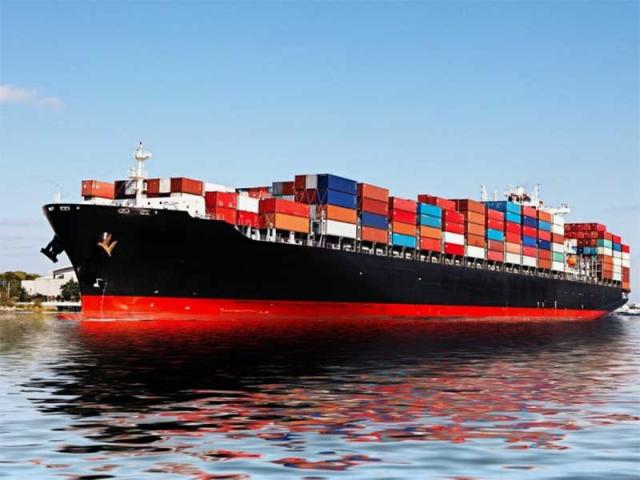
Wet damage refers to non-obvious physical damage such as dampness, discoloration, mold, and rust that occurs when cargo inside a container is exposed to moisture, water vapor penetration, or slight seawater intrusion during ocean transport. Unlike breakage or loss, it is not as visually obvious, yet it often occurs on humidity-sensitive cargo and is frequently discovered only when the container is unpacked. This article explains the causes and typical manifestations of wet damage, as well as key points for prevention, evidence preservation, and claims.
What Is Wet Damage: Container Sweat and Cargo Sweat
Water droplets formed by condensation on the inner walls of a container are called container sweat (Sweat on Container), and water droplets that condense directly on the cargo surface are called cargo sweat (Sweat on Cargo). Damage to cargo caused by these two types of water droplets is collectively called wet damage, which is a type of moisture-related cargo damage.
Typical Manifestations of Wet Damage
| Manifestation | Common Cargo |
|---|---|
| Rotting and deterioration | Fruit, vegetables, dried raw hides, dry feed |
| Surface rust | Canned goods, metal products, machinery, motorcycles, steel pipes |
| Mold | Tobacco, paper, lactose, malt, medical supplies |
| Discoloration | Peanuts, etc. |
Causes of Wet Damage
Natural Factors
- Weather conditions: Storms, tropical cyclones, and other weather encountered during the voyage may cause seawater to splash in or intensify condensation inside the container.
- Temperature changes: Day-night temperature differences and temperature differences across sea areas cause condensation on the inner walls of the container, and water droplets fall onto the cargo surface.
- The voyage itself: The high-humidity environment during long voyages, as well as the respiration of some cargoes, can increase humidity inside the container.
Human Factors
- Container defects: Cracks, holes, or aging door seals in the container allow rainwater or seawater to seep in.
- Improper loading: Insufficient moisture-proof packaging and stacking without ventilation channels can increase the risk of condensation.
- Operational errors: Improper handling during storage or lifting operations can also cause water seepage.
Preventive Measures
- Moisture-proof packaging: Use waterproof liners and moisture-proof packaging for moisture-absorbing cargo, and confirm that seals are intact.
- Add desiccants: Add an appropriate amount of desiccant according to the container volume, voyage length, and cargo moisture content, and use in-container dehumidification equipment when necessary.
- Inspect the container before loading: Check the container, door seals, and drainage holes to confirm there are no cracks or leaks; damaged containers should be replaced.
- Proper loading: Avoid placing cargo directly against the container walls and ceiling, keep air circulating inside the container; cargo with high moisture content should be dried first.
- Insurance: Insure according to cargo characteristics, and confirm that the policy coverage includes moisture-related losses.
Handling After Wet Damage Occurs
Preserving evidence promptly is key. If dampness, mold, or rust is found when unpacking at the port of arrival, take photographs, retain the original packaging and desiccants, apply for inspection and survey when necessary, and notify the carrier and insurer within the time limits stipulated in the transport contract and insurance policy. Evidence usually includes on-site photos, inspection reports, and meteorological and voyage records from the voyage. For the complete claim process and document checklist, see Complete Cargo Damage Claim Process and Required Documents.
Data note: The causes and handling methods described in this article are a summary of common industry practices. Specific liability determination and compensation are subject to the transport contract, bill of lading terms, and insurance policy.
Further Reading
- Complete Cargo Damage Claim Process and Required Documents
- What Are the Types of Container Cargo?
- Dunnage Materials · Other Securing Equipment: How to Combine Container Packing Reinforcement and Moisture-Proofing
- Container Seal Types and Standards
- Container Knowledge Center: Dimensions and Specifications, Container Type Selection, Loading Standards, and Transport Costs
- What is a loaded container: where it sits in the export flow and the free-time rules
FAQ
Will wet damage definitely not occur if desiccants are placed?
It cannot be completely avoided. The adsorption capacity of desiccants is limited, and the amount used must match the container volume, voyage length, and cargo moisture content; if the cargo itself has high moisture content, the container leaks, or temperature differences during the voyage are severe, condensation may still occur. Desiccants should be part of a combined measure, used together with moisture-proof packaging and container inspections.
Should wet damage losses be claimed from the carrier or from the insurance company?
The two paths can be considered in parallel. Claiming from the carrier requires proving that the carrier was at fault in cargo care, and the burden of proof is relatively high; claiming from the insurer is handled according to the insurance policy and is usually more direct. Whichever path is taken, you should notify promptly after discovering the loss and submit materials within the agreed time limit to avoid affecting your rights due to delay.
To check container availability, sailing schedules and loading options for a specific route, submit an enquiry online and the Bofeng Logistics team will assess it against your actual cargo.
This article was prepared by the Bofeng Logistics team and reviewed in October 2026. Industry practices and data change over time; refer to carrier booking confirmations and current authority regulations for specifics.
Related Logistics Services
Bofeng Logistics offers the following related services, feel free to inquire: