What are the components of international container transportation costs?
International container transportation costs generally consist of three main parts: ocean freight, port service charges, and feeder (branch line) freight. Understanding the meaning of each part helps shippers read quotations and verify the cost composition.
1. International Container Ocean Freight
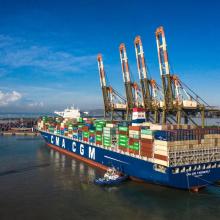
Ocean freight is the most important part of international container transportation costs, referring to the freight for the sea transport segment. Ocean trunk routes are usually carried by large and ultra-large container vessels, with large container cargo volumes, long transport distances, and significant risks and liabilities. Shipping companies collect ocean freight from shippers or consignees according to the provisions of their tariff.
2. International Container Terminal Service Charges
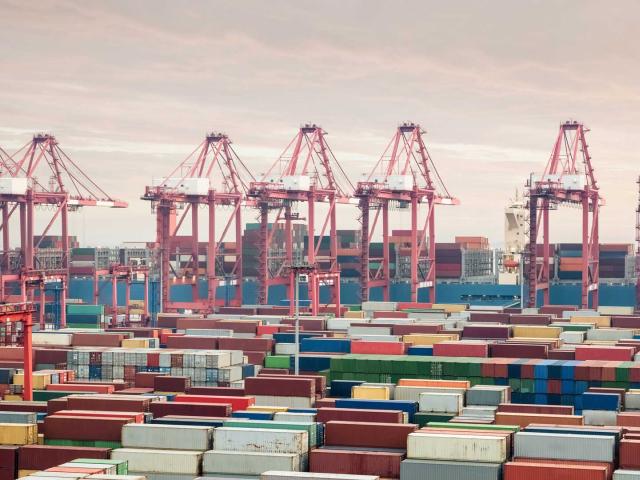
Ports serve both ship owners and cargo owners. Terminal operators charge corresponding fees for container transport services. Port area service charges mainly include three categories:
1. Container Yard Service Charge (Terminal Service Charge)
The yard service charge at the loading port covers: receiving export containers, sorting and storing them in the yard according to regulations, and transporting them to the quayside for loading onto the vessel; at the discharging port, it includes the costs of unloading import containers from the vessel, transporting, sorting, storing, and delivering them. The yard service charge is generally collected from the carrier based on a lump-sum container handling charge; the storage fee for loaded containers is collected from the consignee and shipper respectively, while the storage fee for empty containers is collected from the carrier.
2. LCL Service Charge
The LCL service charge covers the following service items: transporting empty containers from the yard to the CFS, transporting loaded containers from the CFS to the yard, transporting loaded containers from the yard to the CFS (at the discharging port), tallying, issuing dock receipts and packing lists, normal handling within the CFS, stuffing, unstuffing, sealing and marking, storage within a specified period, necessary segregation of consignments and stowage, and providing the container stowage plan.
3. Container Freight Station Service Charge
For export stuffing: transporting empty containers to the CFS and handling equipment interchange; unloading cargo into the CFS and handling the handover; sorting and stacking; arranging customs, commodity inspection, and tallying; normal handling; stuffing and securing; preparing packing lists and issuing dock receipts; sealing and marking; transporting loaded containers to the terminal yard and handling the inbound handover. For import unstuffing: handling the inbound CFS handover; unloading containers; arranging customs, commodity inspection, and tallying; recording unstuffing results, sorting and stacking; normal handling; contacting the consignee for delivery, collecting the original bill of lading, and signing and issuing the delivery order; returning empty containers to the carrier-designated yard. The CFS stuffing/unstuffing service charge is generally collected based on a lump-sum container stuffing/unstuffing charge.
3. International Container Collection and Distribution (Feeder) Freight
Collection and distribution transport, also called feeder transport, concentrates or disperses cargo to and from trunk-line container hub ports via coastal and inland river feeder routes as well as highway and railway feeder networks.
1. Waterway Feeder Freight
Waterway feeder liner transport charges feeder freight to the shipper or consignee according to the feeder tariff. If the feeder service is operated by the main-line shipping company, the feeder freight may be collected together with the trunk-line freight and settled internally; if operated independently by a feeder shipping company, it is collected according to its own tariff and a feeder transport agreement is signed with the main-line shipping company.
2. Highway Feeder Freight
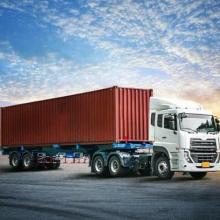
Payment of highway feeder freight mainly falls into four situations: the main-line shipping company carries the cargo itself, entrusts a local trucking enterprise to carry it, acts as a subcontracting carrier in multimodal transport, or the cargo owner handles it on its own. Highway feeder freight mainly includes: regional freight (transport of loaded or empty containers between designated places), invalid haulage charges (where empty containers have been transported to the designated place but the cargo owner did not ship goods), charges for changing the container stuffing location, overtime delay charges for container stuffing time, and container cleaning fees.
3. Railway Feeder Freight
Railway feeder freight is charged according to the relevant provisions of the railway transport administration, and its charging structure is roughly the same as that of highway feeder freight.
4. Composition of Full-Course Costs
A complete international container shipment generally includes five parts in its total cost: inland transportation and related charges in the country of origin, port (container yard) charges in the country of origin, ocean freight, port (container yard) charges in the country of destination, and inland transportation and related charges in the country of destination.
Further reading: Overview of Domestic Shipping Cost Structure compare all-inclusive domestic trade pricing; Common Ocean Shipping Surcharges and Their Meanings master the details of surcharges; Complete Guide to Ocean and Air Freight Surcharge Abbreviations understand abbreviations on quotes.
International Container Shipping Cost FAQ
Q: How are ocean freight, port service charges, and feeder/distribution freight divided?
A: Ocean freight is the cost for the ocean mainline segment; port service charges include yard service fees (terminal handling charges), LCL service fees, and container freight station service fees; feeder (branch line) freight is the cost for collecting and distributing cargo via water, road, or rail feeder networks from the mainline vessel. The sum of these three parts constitutes the main costs of international container shipping.
Q: What items are mainly included in road feeder freight?
A: It mainly includes regional freight (transport of loaded/empty containers between designated points), invalid haulage fees (when haulage is arranged but cargo is not shipped), charges for changing container loading location, overtime delay charges for container loading time, and cleaning fees after container use. The specific items and time limits depend on port practices and carrier regulations.
Bofeng Logistics specializes in providing one-stop logistics services including domestic container shipping, international shipping (FCL/LCL), Hong Kong and Macau logistics dedicated lines, as well as trailer, customs clearance, and warehousing. Contact: 130-7567-8958 (Manager Huang), call now for a customized quote!
Disclaimer: This article was compiled by the Bofeng Logistics team and verified as of August 2026. Ocean freight rates, surcharges, port charges and policies may change with market conditions and current carrier requirements; actual charges are subject to the rates published by the carrier or logistics provider at the time of booking.
Related Logistics Services
Bofeng Logistics offers the following related services, feel free to inquire: