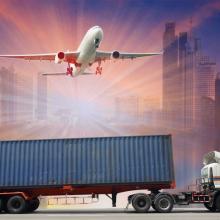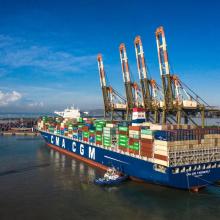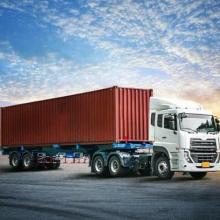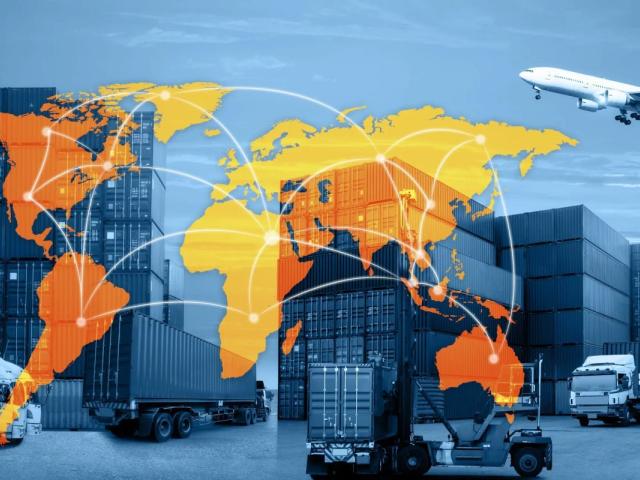
Hong Kong is a key node in the global cross-border e-commerce logistics network. Its free port policy (zero tariffs, no quotas) and the world’s busiest cargo airport (5.07 million tonnes of air cargo in 2025) make it a transit hub for cross-border e-commerce sellers connecting mainland supply chains with global consumer markets. China-Hong Kong trucks move goods from mainland factories to Hong Kong warehouses, from where they are dispatched to consumers worldwide via Hong Kong’s international logistics network. This chain is becoming the standard operating model for more and more cross-border e-commerce sellers.
I. Three Modes of Cross-Border E-commerce Logistics in Hong Kong and Macau
Mode One: Drop Shipping from Hong Kong Warehouses
Goods are transported via China-Hong Kong trucks from mainland factories to Hong Kong warehouses for temporary storage. When consumers place orders, the Hong Kong warehouse picks, packs, and labels the items immediately, shipping them directly to global consumers via international couriers like DHL/UPS/FedEx.
Application Scenarios: Small parcel direct mail orders on cross-border e-commerce platforms (Amazon/Shopify standalone site/eBay). Air freight from Hong Kong to major European and American cities typically takes 1–3 days, 2–5 days faster than shipping directly from mainland China.
Core Advantages: Hong Kong’s free port policy means no customs duties accrue during storage, and the international courier hub in Hong Kong offers high operational efficiency and significant discounts. Logistics providers can benefit from Hong Kong warehouse consolidation to obtain international shipping rates 20%–40% lower than individual direct shipments.
Mode Two: FBA Replenishment Logistics
Cross-border e-commerce sellers pre-stock best-selling products in Hong Kong warehouses. Based on FBA warehouse inventory levels, they replenish in batches via China-Hong Kong trucks to Hong Kong airport or port, from where goods are sent by air or sea to destination country FBA warehouses.
Application Scenarios: Inventory management for Amazon FBA sellers. The China-Hong Kong replenishment model enables a full chain flow of "mainland factory → China-Hong Kong truck → Hong Kong warehouse → FBA warehouse," reducing the lead time from 2–3 weeks (direct mainland-to-FBA) to about 1 week.
Core Advantages: Hong Kong warehouses serve as inventory buffers, allowing sellers to flexibly replenish based on FBA stock levels, avoiding stockouts or excess inventory. Before peak seasons, large volumes of stock can be stored in Hong Kong warehouses and replenished into FBA as needed in batches.
Mode Three: 9610/9710 Cross-Border E-commerce Export
Under customs cross-border e-commerce supervision modes (9610/9710), mainland goods declared as cross-border e-commerce exports are transported via China-Hong Kong trucks to Hong Kong and then distributed globally through Hong Kong’s international logistics network.
Application Scenarios: Cross-border e-commerce B2C/B2B exports requiring formal customs declaration and tax refunds. 9610 suits B2C small parcel direct mail, while 9710 suits B2B cross-border e-commerce.
Difference from General Cargo China-Hong Kong Transport: Cross-border e-commerce declarations differ from general trade in customs supervision codes and declaration processes, requiring a dedicated cross-border e-commerce customs declaration system. Goods shipped via China-Hong Kong trucks to Hong Kong and then linked to international couriers can benefit from cross-border e-commerce export tax refund rates.
II. Hong Kong Warehousing and Value-Added Cross-Border E-commerce Services
Core Functions of Hong Kong Warehouses
Hong Kong warehouses play four core roles in the cross-border e-commerce chain:
1. Inventory Buffer: Advance stocking in Hong Kong shortens international logistics lead times and reduces stockout risk.
2. Value-Added Processing: Labeling (FNSKU/address labels), relabeling (for returns and re-listing), bundling, and quality inspection.
3. Order Fulfillment: Order receiving → picking → packing → labeling → dispatching, all completed within the Hong Kong warehouse.
4. Return Processing: Overseas returns sent to Hong Kong warehouses for re-listing or return-to-factory repair.
Warehouse Management System Integration
The Hong Kong warehouse management system (WMS) needs to integrate with e-commerce platforms (Amazon/Shopify/Shopline) and logistics providers (DHL/UPS/FedEx) to enable automated order flow. Inventory data is updated in real-time, allowing sellers to view stock status and outbound records online.
Regional Distribution of Hong Kong Warehouses
Hong Kong warehouses are mainly concentrated in three areas: Kwai Chung (near container terminals), Yuen Long (near Shenzhen Bay Port), and Tuen Mun (near the airport). Kwai Chung is suitable for sea freight transit coordination, Yuen Long for frequent China-Hong Kong truck trips, and Tuen Mun for airfreight export coordination.
III. The Role of China-Hong Kong Logistics in the Cross-Border E-commerce Chain
Replenishment Transportation
Replenishment transport for cross-border e-commerce differs from general trade: higher frequency, smaller batch sizes, and strict time requirements. Groupage shipping (1–2 days to Hong Kong) is the mainstream choice for e-commerce replenishment. Door-to-door pickup is available within Guangdong province; goods from other regions are transferred via a Zhuhai warehouse.
Express Shipment
Samples, documents, and urgent replenishment items can be shipped via China-Hong Kong express service (4–8 hours to Hong Kong). Express shipments are charged per consignment and are simple to manage, making them suitable for urgent e-commerce replenishment scenarios. For example, when an Amazon seller finds an SKU about to run out of stock, they can use express service to replenish stock to the Hong Kong warehouse the same day, connect to international couriers the next day for shipment to the FBA warehouse, saving one day compared to groupage service. Express shipments do not require formal customs documents; they can be declared using KJ1/KJ2 customs procedures.
Returns and Repair
After overseas returns arrive at the Hong Kong warehouse, if they need factory repair or refurbishment, they are shipped back to the mainland factory via China-Hong Kong trucks, then returned to Hong Kong for re-listing after processing. This closed loop of "Hong Kong warehouse → mainland factory → Hong Kong warehouse" is the standard process for handling cross-border e-commerce returns. Compared to returning items directly to a mainland factory (which requires formal import customs declaration), the model of routing returns through the Hong Kong warehouse is more flexible—it does not affect normal import declarations, nor does it require separate customs procedures for returns. The entire returns process usually takes 5–7 working days, saving about a week of logistics time compared to direct returns to the mainland.
IV. Cross-Border E-commerce Logistics Timeline
| Step | Standard Lead Time | Express Lead Time |
|---|---|---|
| Mainland factory → China-Hong Kong truck pickup | Same day | 2–4 hours |
| China-Hong Kong truck → Hong Kong warehouse | 1–2 days | Same day |
| Hong Kong warehouse → International courier handover | Within 24 hours | 4–8 hours |
| Hong Kong → Major cities in Europe and America | 2–3 days | 1–2 days (expedited) |
| Hong Kong → Southeast Asia | 1–2 days | 1 day |
Data as of: July 2026
Need a cross-border e-commerce logistics solution? Contact us for a solution.
Contact: 13075678958 | info@zhbfwl.com
Related Logistics Services
Bofeng Logistics offers the following related services, feel free to inquire: