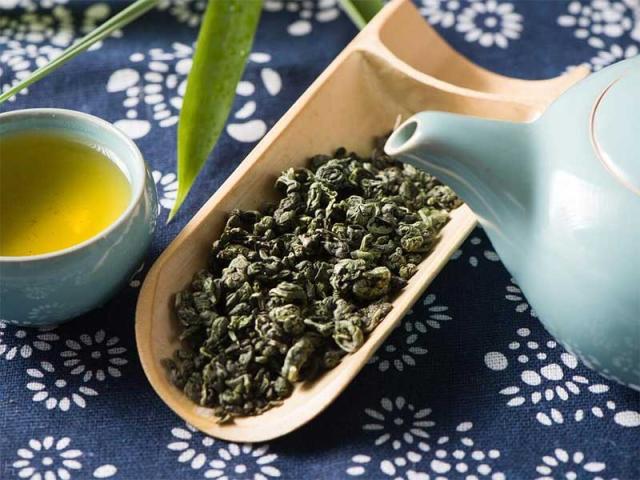
I. Overview of China's Tea Exports
China is one of the world's largest tea producers and exporters, with tea exports serving as an important component of traditional foreign trade. In recent years, China's tea exports have maintained steady growth, covering more than 120 countries and regions worldwide. Tea exports involve various requirements such as customs supervision, inspection and quarantine, quality standards, and international trade rules.
II. Tea Export Management System
China adopts a relatively open management system for tea exports. Enterprises with import and export operation qualifications can legally conduct tea export business without requiring specialized tea export licenses. However, tea exports must still comply with relevant laws and regulations such as the "Foreign Trade Law of the People's Republic of China" and the "Import and Export Commodity Inspection Law of the People's Republic of China."
III. Main Tea Export Procedures
- Signing Export Contracts—Sign trade contracts with overseas clients, specifying the tea variety, quantity, price, delivery method, and other terms
- Goods Preparation and Inspection—Prepare tea according to contract requirements, declare export inspection to customs, and obtain an export commodity inspection certificate
- Customs Declaration—Declare exports to customs, submitting documents such as contracts, invoices, packing lists, and inspection certificates
- Customs Clearance—Goods are released after customs review, then loaded onto ships or planes for shipment
- Foreign Exchange Settlement and Tax Refund—Handle export tax refund procedures after receiving payment
IV. Tea Export Quality Requirements
Exported tea must meet the quality standards and food safety requirements of the importing country. The main requirements include:
- Pesticide Residue Limits—Must comply with the importing country's maximum residue limit (MRL) standards for pesticide residues in tea
- Heavy Metal Limits—Lead, cadmium, mercury, and other heavy metal content must be within safe ranges
- Microbiological Indicators—Must meet the importing country's standards for microbial contamination in tea
- Packaging and Labeling—Packaging materials must comply with food safety requirements, with complete and accurate label information
V. Tea Export Customs Declaration Considerations
When declaring tea exports, attention should be paid to: accurately declaring the HS code (usually in the 0902 series); providing complete export documents; and noting the special requirements of the importing country (such as the EU's pesticide residue standards or Japan's Positive List System). Companies can entrust experienced customs brokers to handle export declaration procedures, ensuring compliant customs clearance.
Bofeng Logistics can provide one-stop logistics services for tea exports, including customs declaration, trucking, and ocean freight, helping enterprises efficiently complete the entire tea export process.
Related Logistics Services
Bofeng Logistics offers the following related services, feel free to inquire: