1. Role of the Railway Cargo Waybill
The railway cargo waybill is a transport contract signed between the carrier (railway transport enterprise) and the consignor, and is one of the most important documents in railway freight transport. The waybill records key information such as cargo details, transport route, and information of the consignor and consignee. It serves as the basis for cargo handover, fee settlement, and liability determination.
2. Main Contents of the Railway Cargo Waybill
A complete railway cargo waybill should include the following information:
- Consignor Information — Name, address, and contact number of the consignor
- Consignee Information — Name, address, and contact number of the consignee
- Station of Departure and Station of Arrival — Names of the departure and arrival stations
- Cargo Information — Cargo name, number of pieces, weight, and volume
- Packing Method — Type and condition of cargo packaging
- Transport Period — Agreed transport time limit
- Freight and Surcharges — Transport fees and a breakdown of various miscellaneous charges
- Special Requirements — Such as temperature control, dangerous goods transport, and other special conditions
3. Precautions for Filling Out the Waybill
- Accurate Information — Consignor and consignee information must be accurate and complete. The cargo name must use its standard name and must not be vague or incorrect.
- True Weight — The cargo weight must be filled in truthfully and must not be falsely reported or concealed. Overweight may lead to transport safety accidents.
- Dangerous Goods Declaration — Dangerous goods must be truthfully declared regarding their name, class, UN number, etc. They must not be concealed or falsely reported.
- Consistency of Documents — The information on the waybill must be consistent with other transport documents (such as invoices and packing lists).
- Signature and Seal — The consignor must sign or seal the waybill for confirmation, and the carrier shall affix their transport seal after verification and approval.
4. Railway Freight Transport and Modern Logistics
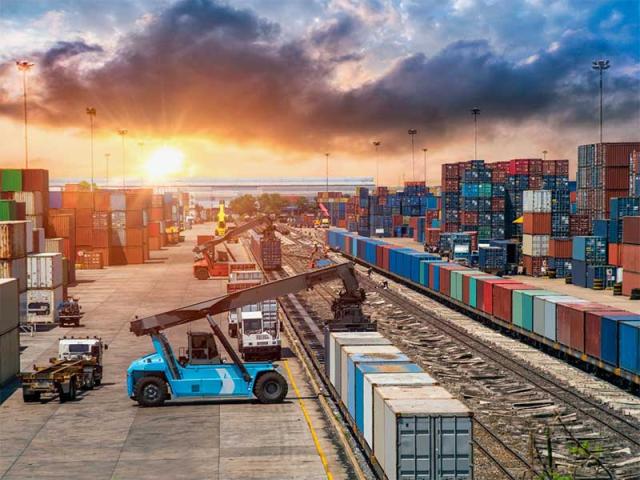
With the promotion of the "shift from road to rail" policy and the development of sea-rail intermodal transport, railway freight transport is playing an increasingly important role in the logistics system. Railway transport offers advantages such as high volume, low cost, and environmental friendliness and energy efficiency, making it particularly suitable for bulk cargo and long-distance transport. Companies that understand the filling specifications for railway waybills can improve transport efficiency and reduce errors.
Bofeng Logistics provides sea-rail intermodal transport and railway freight forwarding services, and can assist clients with railway waybill preparation, cargo tracking, and fee settlement.
Related Logistics Services
Bofeng Logistics offers the following related services, feel free to inquire: